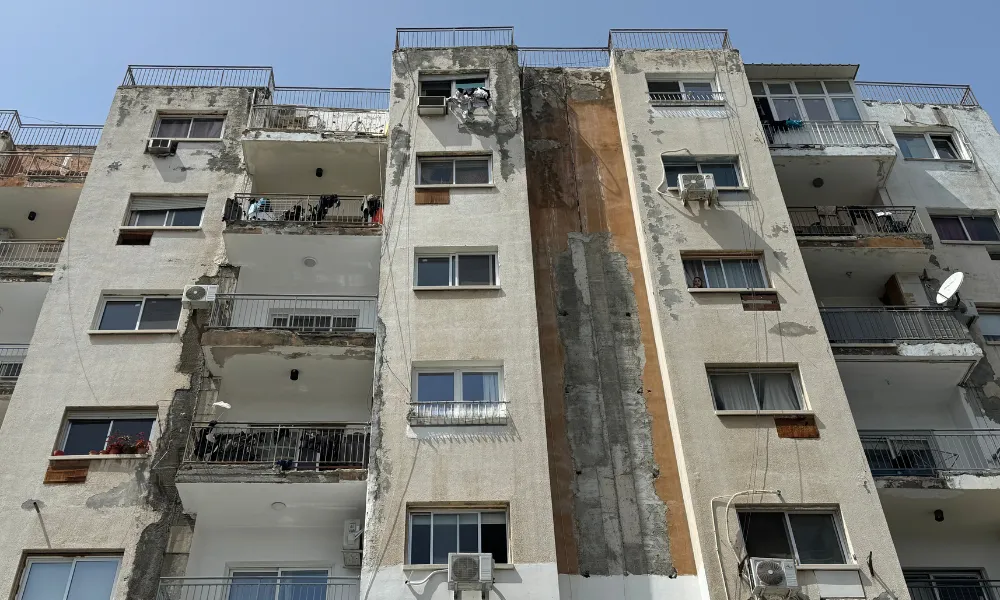

The issue of dangerous buildings in Cyprus's towns and cities has reached a point where further delays in decision-making are no longer acceptable. Discussions in the House Interior Committee have once again highlighted the urgent need to modernise the legal framework so that authorities have the tools required to intervene quickly and effectively.
Public safety and the protection of human life must remain the overriding priority. No property owner's negligence or inaction can be allowed to outweigh the interests of society as a whole. This principle is central to accelerating action, particularly given the risk posed by buildings that may be structurally unsafe and potentially number in the thousands.
The proposed legislation is moving in the right direction. Measures such as prohibiting the use or rental of unsafe buildings, disconnecting utility services and enabling faster court procedures would provide authorities with stronger mechanisms to address pressing risks. Responsibility for maintaining a property should rest primarily with its owner. The state should not be expected to assume that obligation at the expense of taxpayers who meet their own responsibilities. At the same time, temporary financial support for the District Local Government Organisations (EOAs) will be essential to help address immediate needs.
However, important questions remain unresolved, particularly regarding responsibilities and funding. Differences of opinion between the Interior Ministry and the EOAs highlight the need for broader consensus. Local authorities are being asked to manage a vast number of potentially dangerous structures with limited resources, making it essential to identify sustainable funding solutions without placing excessive burdens on citizens applying for lawful permits.
The state must proceed without delay with the necessary legislative reforms while ensuring cooperation among all stakeholders. A careful balance is needed between the rapid elimination of risks and respect for institutional procedures, so that Cyprus's cities become safer while leaving no ambiguity over who is responsible for protecting the public.