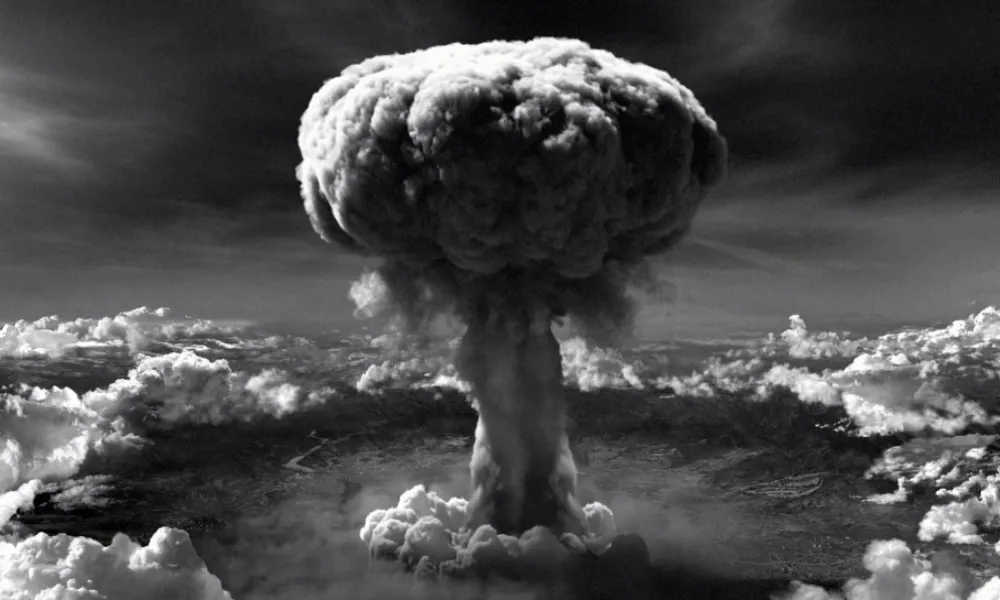



Hiroshima on Thursday marked the 81st anniversary of the US atomic bombing of the city, with Mayor Kazumi Matsui criticising major powers for waging wars and urging them to stop treating the possession of nuclear weapons as a legitimate form of deterrence.
Matsui warned that downplaying the inhumanity of nuclear weapons and accepting the use of force risked cycles of retaliation that could ultimately lead to "another Hiroshima or Nagasaki." Speaking in his peace declaration at the ceremony in Hiroshima Peace Memorial Park, the mayor said too many political leaders still regarded nuclear deterrence as a realistic approach and continued to legitimise violence, pushing a world free of nuclear weapons further out of reach. He also called on individual citizens to draw lessons from the past and act on them.
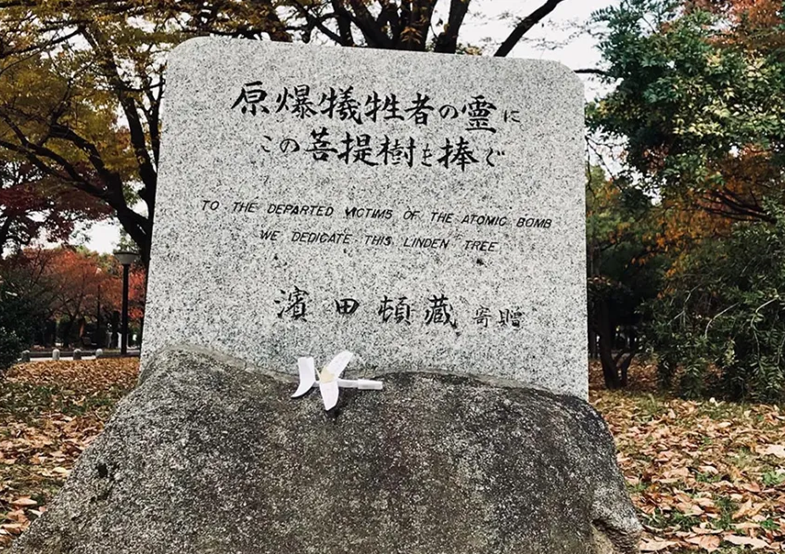
About 50,000 people attended the ceremony, including representatives from around 120 countries and regions, among them the United States and Iran. A minute of silence was held and a peace bell rang at 8.15am, the exact time a US B-29 bomber dropped the bomb on the city in 1945.
Prime Minister Sanae Takaichi attended the memorial for the first time since taking office. She said Japan would pursue a realistic approach toward a world in which nuclear weapons are never used, working within the framework of the United Nations treaty to prevent nuclear proliferation.
Pressure on non-nuclear principles
This year's ceremony took place amid growing speculation that Takaichi's government, seen as more sympathetic to the logic of nuclear deterrence, could ease Japan's postwar three non-nuclear principles when it draws up new security and defence documents later this year. Takaichi has previously called for a review of the principles, including the possibility of dropping the third, which bars nuclear weapons from being brought into the country. On Thursday she said Japan had maintained the three principles to date but stopped short of committing to keep them in place going forward.
Survivors of the bombing have voiced frustration and concern over growing international support, including within Japan, for retaining nuclear weapons as a deterrent. Japan remains under the protection of the US nuclear umbrella and has repeatedly sought stronger reassurances from Washington on that commitment. Largely because of this, the Japanese government has declined survivors' calls to sign the Treaty on the Prohibition of Nuclear Weapons or even attend its meetings as an observer.
The toll and the fading generation
The bombing of Hiroshima on 6 August 1945 destroyed the city and killed 140,000 people. A second bomb, dropped three days later on Nagasaki, killed 70,000. Japan surrendered on 15 August, bringing an end to the Second World War and to nearly half a century of Japanese military aggression in Asia.
The number of survivors has fallen to 91,105, roughly a quarter of the original total, with their average age now above 86. Survivors have expressed concern that memories of the bombing are fading, since even the youngest among them were too young at the time to recall the attack clearly.
United Nations Secretary-General António Guterres said in a written statement that the horror of nuclear weapons was only one lesson of Hiroshima, and that another was the need to make the threat or use of such weapons unthinkable. He described Hiroshima as "an inspiring example of resilience, renewal and hope" and called for dialogue over division, cooperation over confrontation, and common security over narrow advantage.
Source: Associated Press