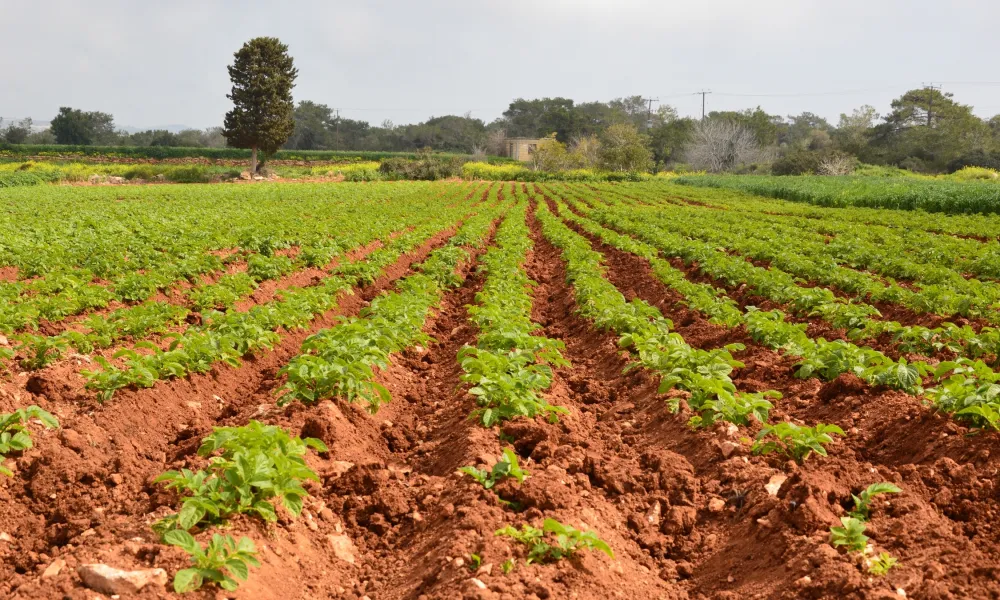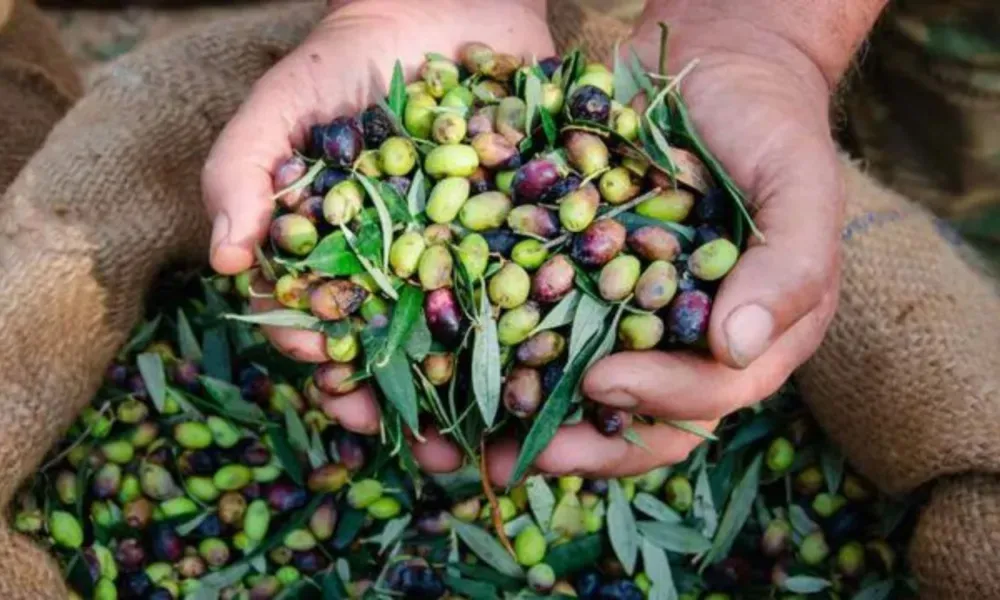

Olive growers are viewing the current season with cautious optimism, as conditions in olive groves are noticeably better than they were a year ago. However, producers stress that nothing has been decided yet, with rainfall expected between now and October set to play a decisive role.
Speaking to Politis, Larnaca district olive grower Agathocles Agathocleous said groves are currently in better condition than last year, raising expectations for a significantly improved harvest.
According to Agathocleous, timely autumn rains could result in a particularly strong season. However, if drought conditions persist, the outlook could change within a matter of weeks.
Irrigation water remains the main concern
Despite the improved picture, water shortages continue to be the sector’s biggest challenge.
Agathocleous said the quantities of irrigation water allocated to professional olive growers this year are significantly lower than in previous seasons. While additional supplies were approved following consultations with the Ministry of Agriculture, he noted that the amounts still fall short of growers’ actual needs.
Limited irrigation affects not only production volumes but also fruit development. At the same time, uncertainty surrounding water availability discourages many producers from expanding their groves or making new investments.
“You cannot plan for the future when every year you are waiting to find out how much water you will receive,” is the message being voiced by those in the sector.
Spain remains the key price driver
As for olive oil prices, Agathocleous said it is still too early to make firm predictions.
Market trends will largely depend on this year’s harvest in major olive-producing countries, particularly Spain, which continues to exert significant influence over prices across the European market.
Nevertheless, olive oil prices have eased noticeably in recent months, providing relief for consumers.
According to data from the Consumer Products Price Observatory of the Consumer Protection Service, following the price surge of 2024, when extra virgin olive oil reached between €10.50 and €15 per litre, prices began declining during 2025.
The downward trend has continued at a more moderate pace, with prices in recent months ranging from approximately €6.50 to €10 per litre, depending on the product and packaging.
The figures indicate that the market has largely stabilised, although prices remain above levels seen a few years ago.
A growing industry despite challenges
Despite ongoing difficulties, Agathocleous said Cyprus’ olive oil sector has undergone significant development in recent years.
Many olive mills have been modernised, while increasing numbers of producers are investing in modern extraction and storage methods aimed at producing high-quality extra virgin olive oil with strong nutritional value.
He believes domestic production now covers a substantial share of local demand, with Cypriot olive oil continuing to gain consumer confidence.
Water remains the long-term challenge
The situation contrasts sharply with conditions reported last November, when prolonged drought and strict irrigation restrictions resulted in one of the poorest harvests in recent years.
In several areas, production fell to as little as 20% of a normal crop, while growers warned that available water supplies were sufficient only to keep trees alive.
Compared with those conditions, this year's outlook is markedly more encouraging. Even so, producers agree that water security remains the greatest long-term challenge facing Cyprus’ olive-growing industry.