
The cost of placing an elderly person in residential care could eventually require two or even three salaries, the Cyprus Third Age Observatory has warned, as the country’s ageing population places increasing pressure on a long-term care system already facing significant gaps.
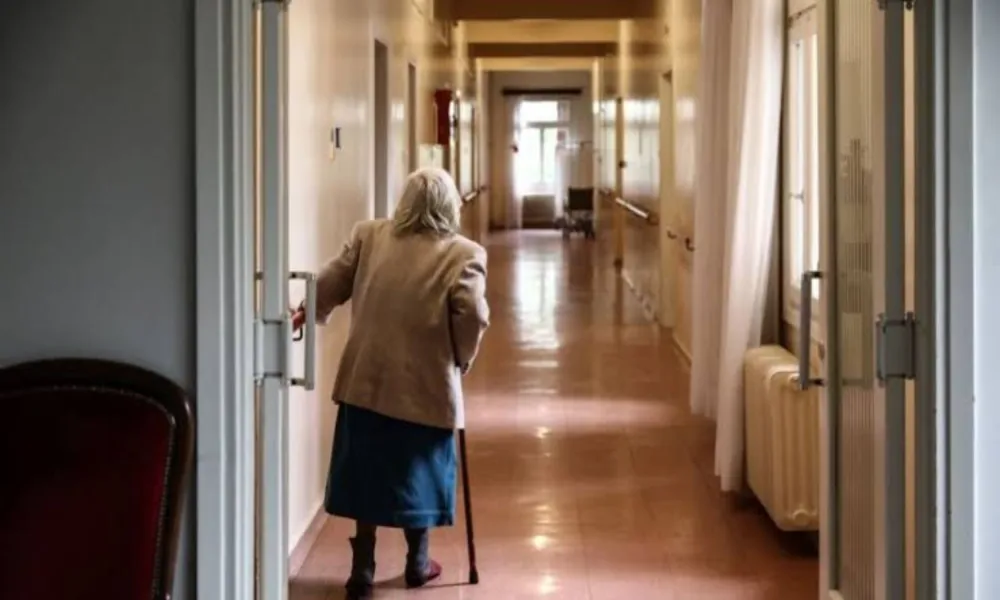
Speaking before the House Labour Committee, Observatory president Dimos Antoniou said Cyprus needs an integrated approach covering long-term care, institutionalisation, residential facilities and independent living. Around 6,000 to 7,000 people currently live in elderly care homes, with an estimated 60% to 70% experiencing dementia or Alzheimer’s disease and requiring increased and specialised care.
‘Two or three salaries’ for residential care
“If immediate measures are not taken, our children, grandchildren and great-grandchildren will have to work so they can send us to a care home,” Antoniou said.
“It will take two, perhaps even three salaries to cover the cost of accommodation. Our country’s population is ageing and the authorities still have not realised that measures need to be taken.”
Available facilities remain limited as demand increases.
The Deputy Ministry of Social Welfare said there are currently 104 approved elderly care homes, with another three undergoing registration. Only three state-run facilities remain.
A representative of care homes said the average cost of accommodation is around €1,600 to €1,700 per month, although fees are considerably higher in some cases.
People with disabilities placed in elderly homes
Themis Anthopoulou, president of the Cyprus Confederation of Organisations of the Disabled (KYSOA), raised a separate concern over people with disabilities being accommodated in elderly care homes instead of appropriate independent-living facilities.
She said the state has for decades been “piling” people with disabilities into elderly homes rather than developing the independent-living structures they require.
“We are not talking about one, two or three people,” Anthopoulou said.
She referred to cases involving young people with autism and other disabilities sharing rooms with elderly residents with dementia and Alzheimer’s disease.
According to Deputy Ministry of Social Welfare figures, around 150 people with mental health conditions currently live in elderly care homes.
When other categories of people with disabilities are included, the total is estimated at close to 300.
Anthopoulou warned that the problem has accumulated over decades and called for individualised support based on each person’s disability.
She also urged the government not to limit its response once again to simply acknowledging the problem, but to proceed with measures addressing the needs identified.