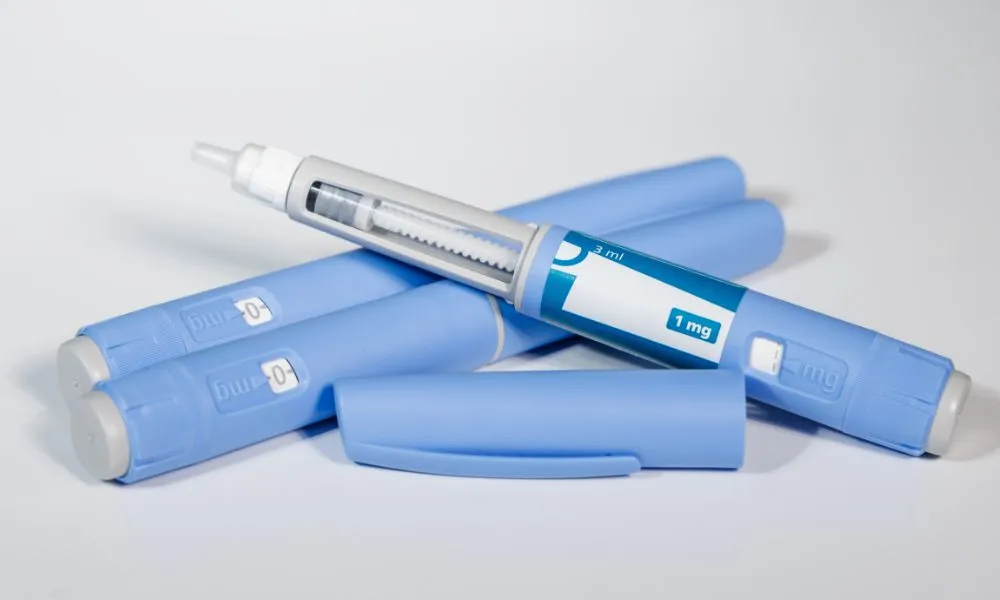

When Ozempic launched less than a decade ago, it was a diabetes drug. Today it belongs to a class of medications that tens of millions of people worldwide are taking, producing what amounts to an ongoing, real-time experiment in human health on a scale that carefully controlled clinical trials simply cannot replicate. The data pouring out of that experiment is sharpening the picture scientists have of these drugs considerably, revealing benefits that go well beyond weight loss, side effects that range from the trivial to the serious, and questions about long-term use that remain genuinely unresolved.
"Usually when a new medicine happens, we have time to learn how to use it," Dr. Melanie Jay, director of the NYU Langone Comprehensive Program on Obesity, said at the American Diabetes Association Scientific Sessions conference in New Orleans this weekend. With GLP-1 drugs, she said, "everyone is kind of iterating in real time."
Far more than a weight loss drug
The most significant shift in scientific understanding is that GLP-1 drugs appear to do far more than suppress appetite. Originally approved to treat diabetes and then obesity, several of them have since received regulatory approval to reduce the risk of heart attacks and other cardiovascular events, and to treat sleep apnea, severe liver disease and kidney disease. Researchers increasingly believe these additional benefits are not simply a byproduct of weight loss but stem from the drugs' ability to reduce chronic inflammation, which underpins a wide range of serious conditions.
NIH-funded research has also found that an emerging class of GLP-1 drugs suppresses eating for pleasure by modulating a reward circuit deep within the brain, a pathway that could be relevant to treating substance use disorders. Emerging evidence from real-world data suggests people on these medications drink and smoke less and are less likely to develop addictions, though researchers say larger trials are needed before firm conclusions can be drawn.
The weight loss picture is more complicated than advertised
In clinical trials, patients on injectable GLP-1 drugs lost around 15 to 20% of their body weight on average after roughly 72 weeks. Real-world data tells a more varied story, with average weight loss ranging between 8 and 17% depending on the drug and the study, partly because many patients stop taking the medications due to side effects or cost.
Stopping the drugs does not necessarily mean regaining all the weight. One analysis of records from over 180,000 patients found that more than half of those who had taken semaglutide, the compound in Wegovy, or tirzepatide, the compound in Zepbound, kept at least some weight off or continued losing weight two years after stopping. Those who do regain weight often turn to intensive exercise, bariatric surgery or other medications to manage it.
About one in ten patients are what researchers call non-responders, losing less than 5% of their body weight. A smaller group are super-responders who lose a great deal of weight quickly, though how common this is remains unclear. Scientists believe genetics and individual differences in how much pleasure people derive from eating may explain the variation.
Side effects: from the cosmetic to the serious
The volume of patients now on these drugs has surfaced a range of side effects well beyond the nausea, fatigue and digestive issues reported in clinical trials. "Ozempic face," the hollowed appearance that comes from rapid fat loss, and "Ozempic breath," linked to dehydration in patients with suppressed appetites, have become widely discussed. Hair loss has also been reported, possibly connected to rapid weight reduction. More concerning findings have emerged too: a small number of studies have linked GLP-1 use with a slightly elevated risk of a rare eye condition, though a direct causal relationship has not been established. The drugs have also been associated with a minor increase in the risk of pancreatitis, which remains very rare, and some patients develop nutritional deficiencies when their appetite is suppressed too severely.
Muscle loss is a consistent concern, particularly in older patients. Younger, healthier patients have generally been able to preserve or recover muscle mass through strength training and high protein intake, but doctors have observed older adults becoming more physically frail on these medications, increasing their risk of falls.
The question of dose
Finding the right dose remains an open clinical question. Patients typically start low and titrate upward over months, with higher doses producing greater weight loss and lower blood sugar. But keeping patients on too high a dose can push appetite suppression to unhealthy extremes, causing nutritional deficiencies, excessive weight loss, reduced bone density, hormonal imbalances and an increased risk of gallstones. "We're in this murky territory when there's lots of different doses to choose from, and the highest one might put someone at a weight that may not be good for them long-term," said Dr. Scott Hagan, an associate professor of medicine at the University of Washington.
Effects beyond the physical
As use has grown, so too have accounts of the subtler ways these drugs affect daily life. Some patients report a more confident relationship with their bodies and greater ease of movement. Others describe changes to their sex lives, in both directions. Some report feeling emotionally flatter, less connected to the social pleasures of eating, or simply less like themselves. Marie Spreckley, a researcher at the University of Cambridge studying these medications, said some patients have described losing the delight they once found in food and feeling more lethargic overall, experiences she says warrant further research.
Research published in the International Journal of Obesity has also found that people who lose weight using GLP-1 medications are perceived more negatively by others than those who lose weight through diet and exercise, a form of social stigma that researchers warn could affect mental health and willingness to seek healthcare.
Less than a decade in, these drugs are still being understood. The scale at which they are now being taken has accelerated that process considerably, but it has also made clear that the full picture of what they do to the human body and mind is nowhere near complete.
Source: New York Times