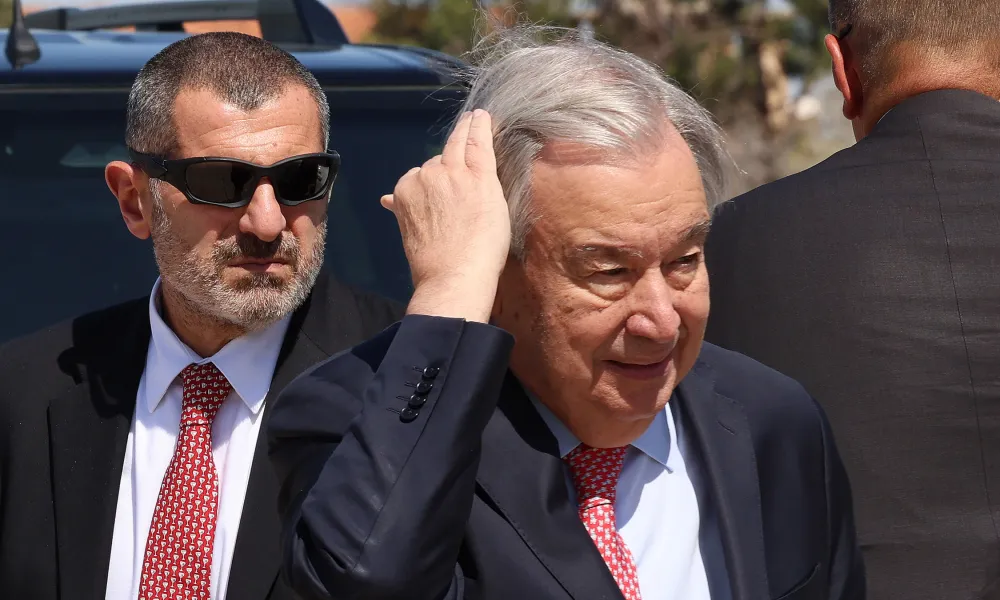

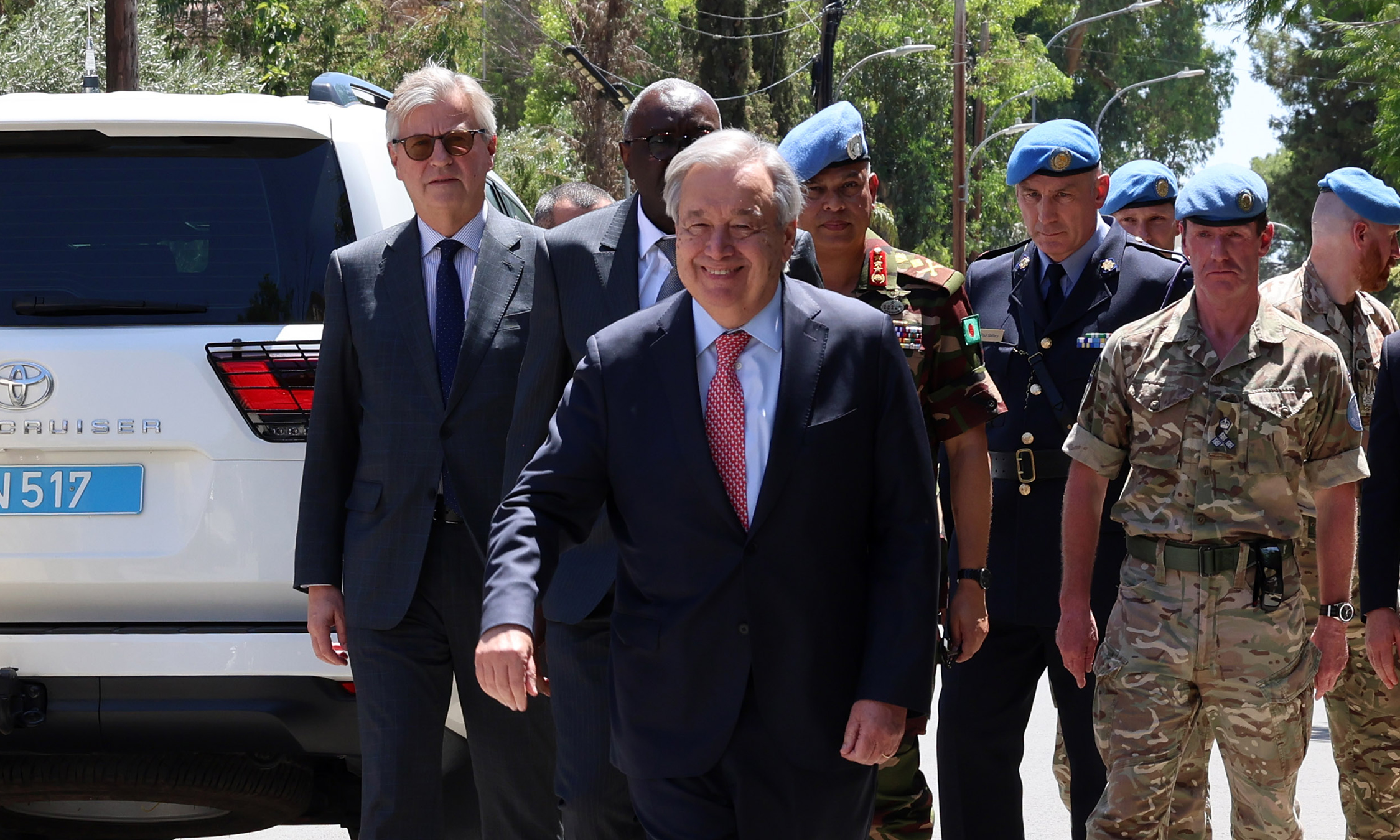
UN Secretary-General António Guterres’ decision to come to the island, with progress between the sides stalling, took many by surprise.
According to sources, the UN chief made the trip on his way back from Syria because he could see that a new 5+1 meeting was not looking likely. He wanted to send a message that the UN is here and remains committed.
He also made the following points:
First, he has the consent of all sides to call a 5+1 but only after adequate preparations have been made on confidence-building measures (CBMs), methodology and substance. These preparations will “take into account the convergences already achieved”.
Second, his actions are guided by UN parameters and will remain so.
Third, no more meetings without results. The next 5+1 meeting needs to be a success, paving the way for a solution to be achieved.
Fourth, the Cypriot sides cannot do this alone. The guarantor powers have a significant role to play.
Fifth, broader civil society needs to get more involved, increase communication with the political leadership and have a greater say in decision making.
And sixth, Cyprus sits in an extremely volatile and chaotic region that is currently in flames, which could spontaneously reach the island. For its own safety, Cyprus would do well to resolve its problem, and in turn, perhaps help bring some stability to the region.
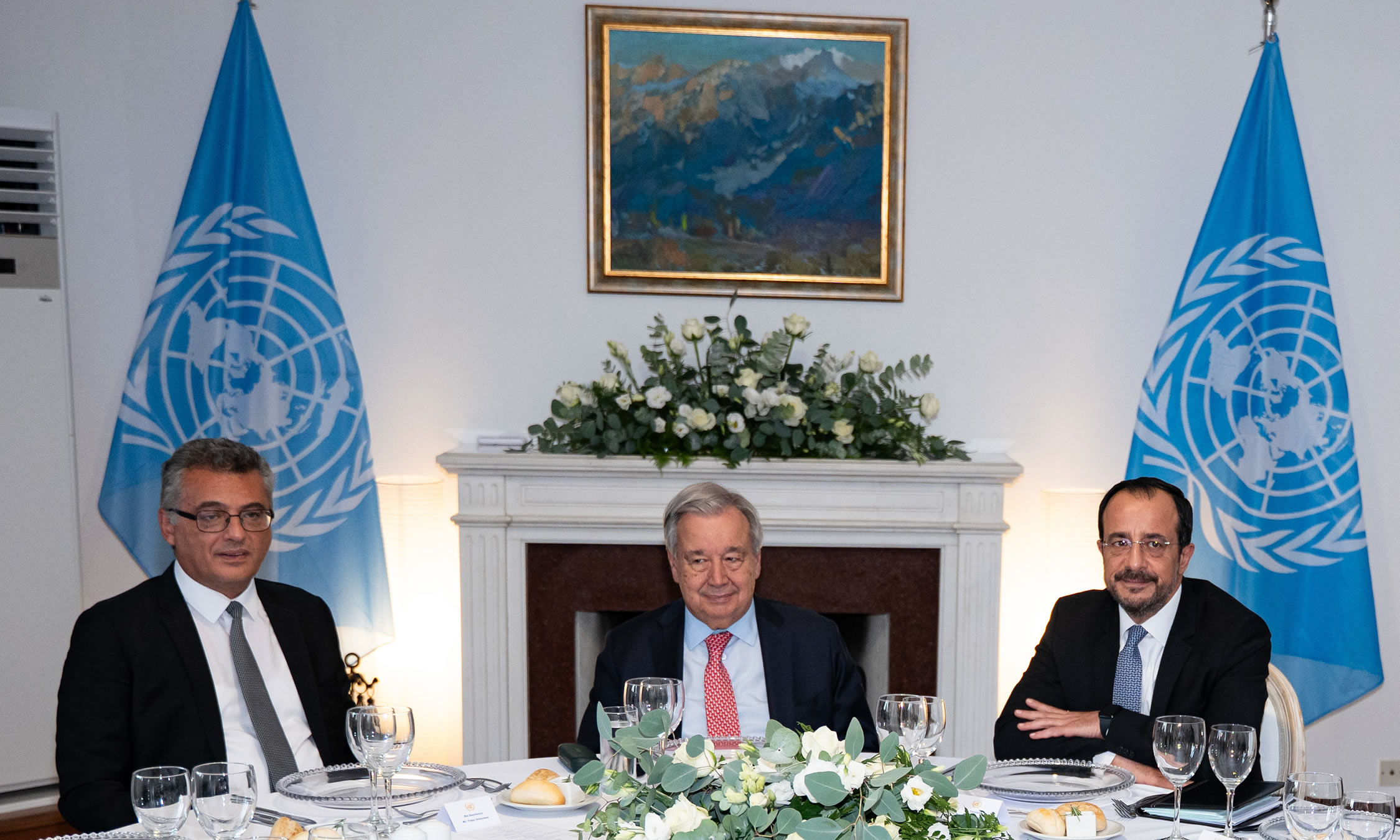
EU catches UN tail
Two days later, EU Special Representative Raffaele Fitto came to Nicosia to meet with the two leaders and listen to what they had to say. Fitto sent the message that the EU wants to play an important role in the UN-led process and make a positive contribution.
Each side, however, conveyed a different understanding of what that role should be.
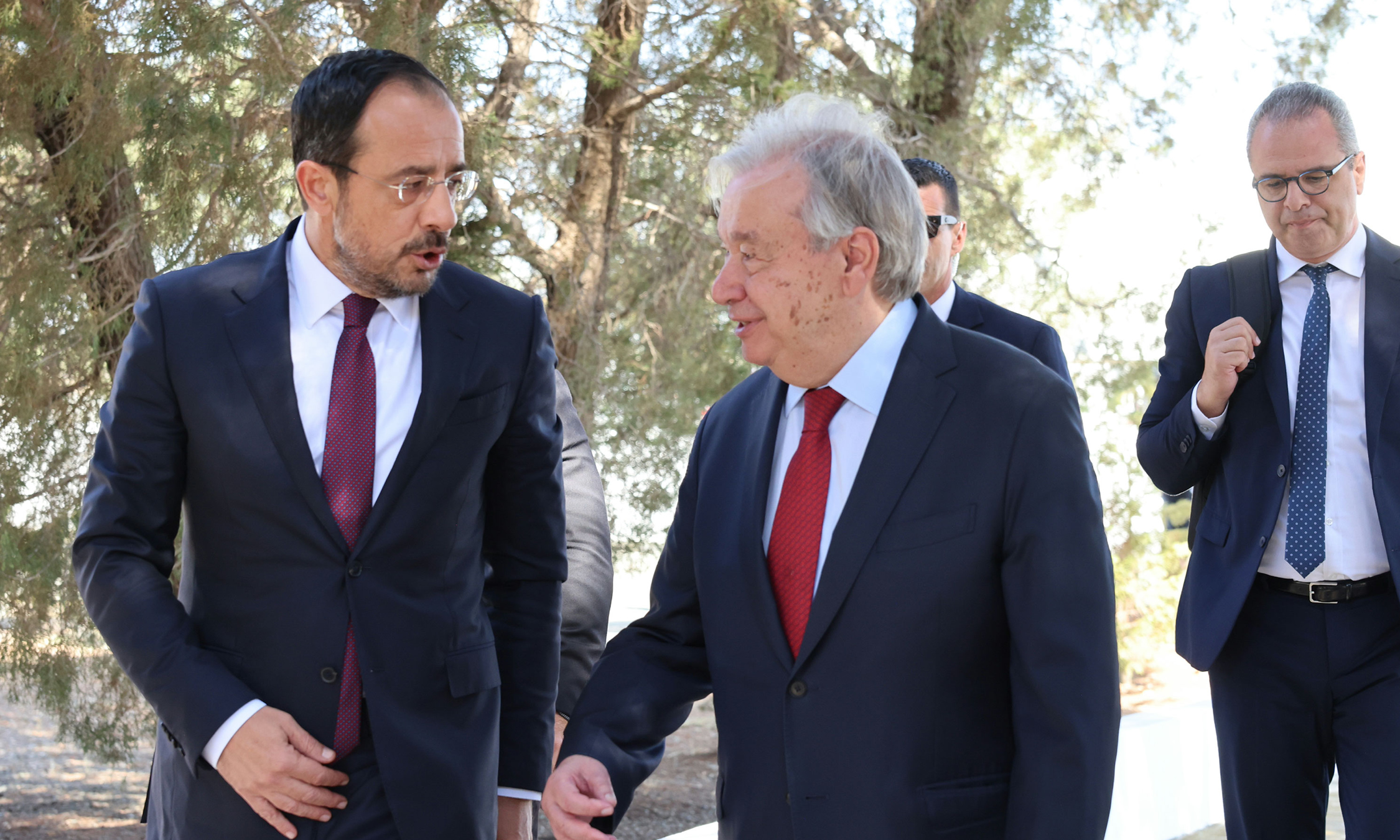
President Nikos Christodoulides sees the EU playing an enhanced role on issues of substance but also on EU-Turkey relations. The Greek Cypriot leadership has made no secret of its ambition to use the prospect of progress in EU-Turkey relations as an incentive or leverage to get Ankara on board in the peace effort.
The idea is to develop substantive proposals relating to EU-Turkey relations that will build momentum and allow talks not only to start but develop in a way that the sides make progress on issues of substance.
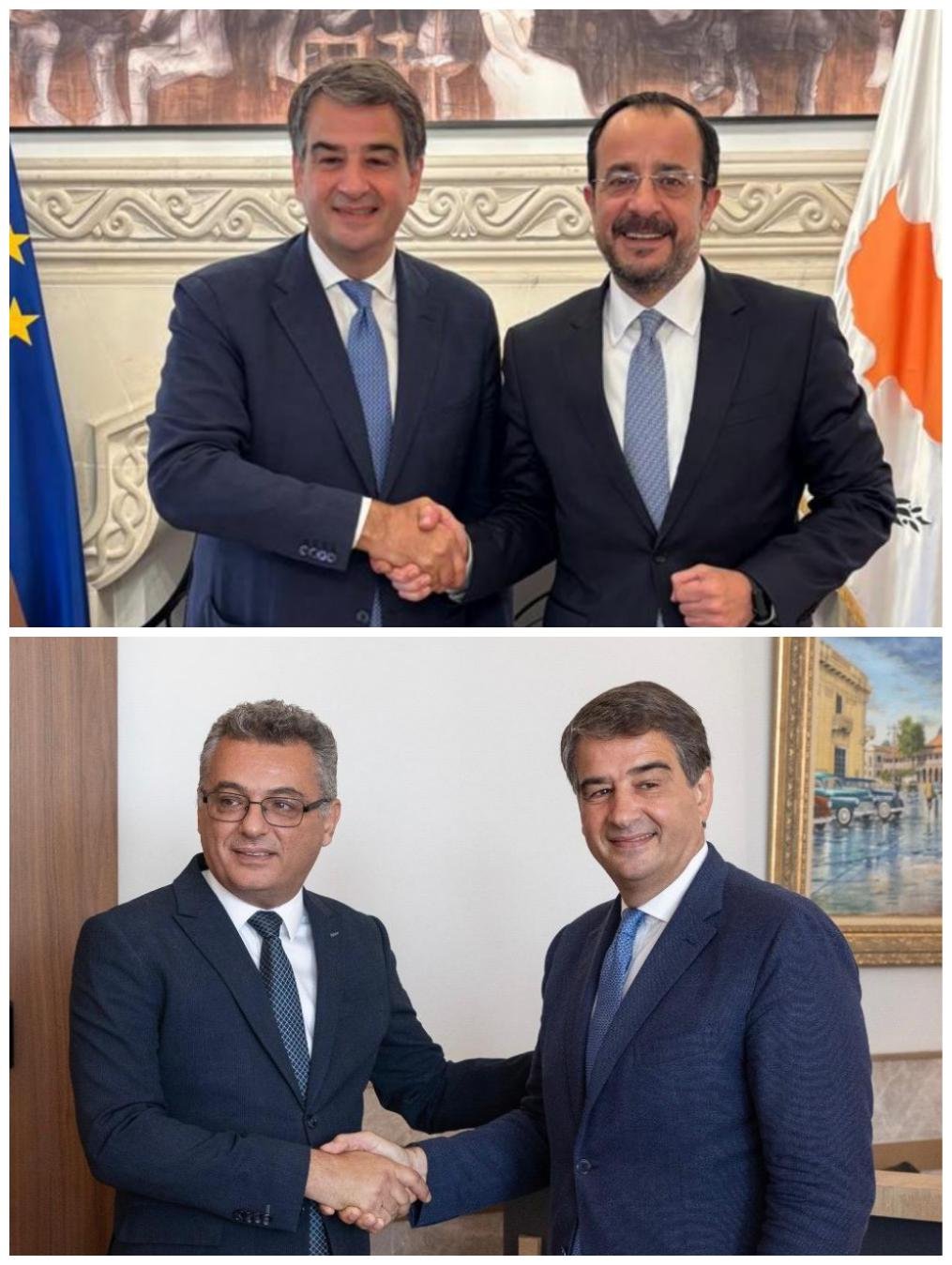
On the Turkish Cypriot side, Tufan Erhürman made it clear the EU needs to earn his community’s trust, referring to “recent unilateral and biased attitudes, conduct and decisions of EU institutions” that undermine trust in Brussels. He clarified there is no seat for the EU at the negotiating table, should the sides ever get there.
He highlighted the need for CBMs to build trust not only with the Greek Cypriots, but also the EU. The Turkish Cypriot leader spoke of implementing the Direct Trade Regulation (promised in 2004), overcoming obstacles with the Green Line Regulation, providing EU citizenship to children of mixed marriages, and ending legal warfare over the property issue.
According to sources, the Turkish Cypriots are also concerned that Christodoulides’ push for entry to the Schengen Area will create problems for a significant number of people living in the north.
What next?
The two sides have different understandings on both the EU’s role and Guterres’ position regarding next steps.
Christodoulides insists CBMs would be nice but are not a prerequisite. Addressing the methodology of talks is about dealing with past convergences, he says, while working on issues of substance would ensure a successful outcome of the next 5+1.
Erhürman wants agreement on some CBMs before going to a 5+1 and an end to approaches that undermine confidence.
He also wants agreement on methodology before launching peace talks. The Turkish Cypriot approach to methodology is four-pronged – agreement on political equality from the outset, agreement on past convergences, a clear timeframe for talks, and a safeguard against returning to a state of limbo in the event Greek Cypriots cause the process to collapse.
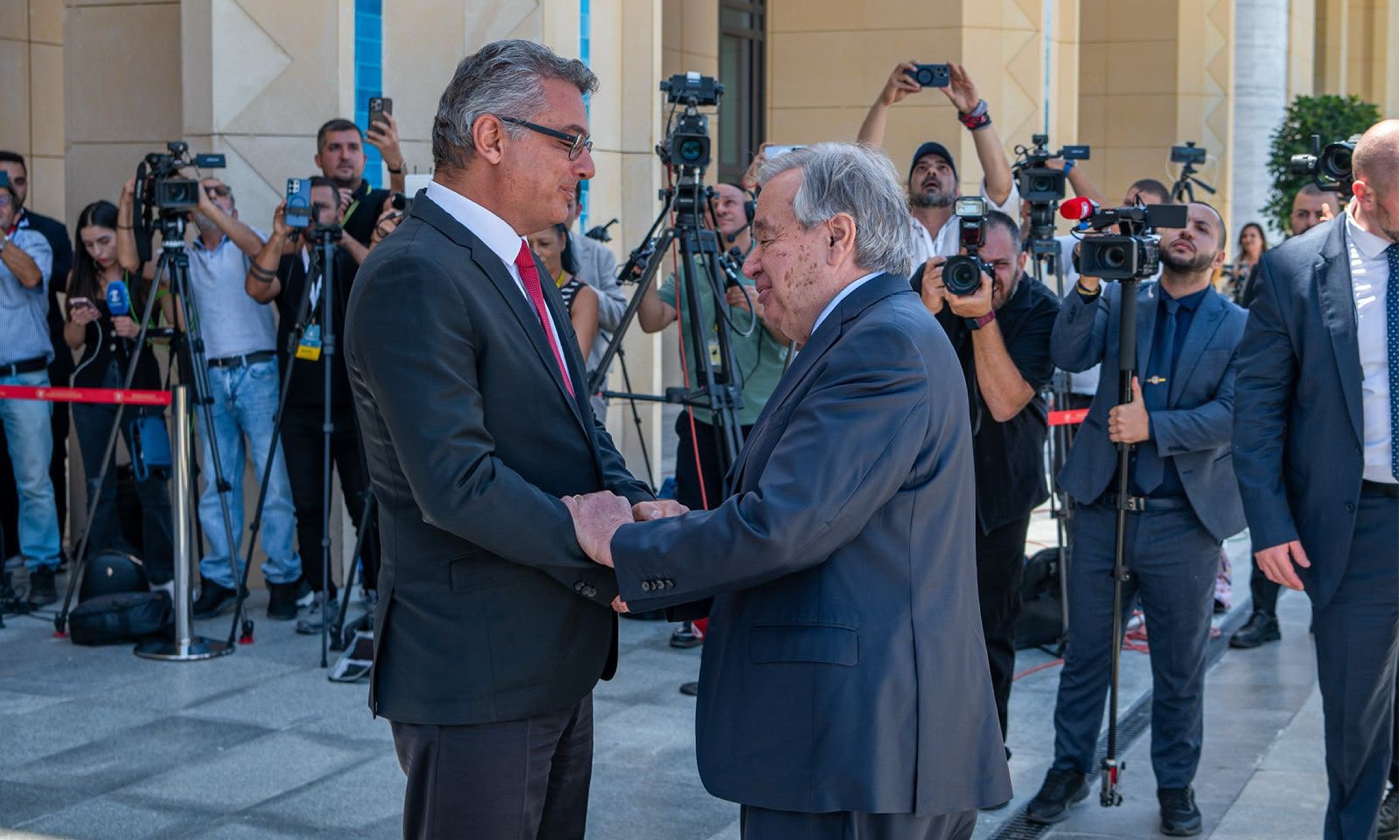
Erhürman also called on Christodoulides to accept that his interlocutor is on the other side of Nicosia, not Ankara.
So, where does that leave the UNSG’s effort to achieve progress before leaving office in December?
Flame still flickering
According to one source close to the negotiations, Guterres’ achievement was that he managed to keep the whole effort alive, despite the challenges. The prospect exists to move to the next stage, a 5+1, though this is not a certainty. And if several factors are properly coordinated, a successful outcome – the resumption of talks – might even emerge from an enlarged meeting.
UN preparing convergences
Regarding the issue of ‘adequate preparations’ on methodology, the source said the UN has been tasked to submit a document on convergences achieved to date, which each side will submit comments on. It remains to be seen what the UN will include and how, but if for example, the Guterres Framework – submitted verbally by the UNSG at Crans-Montana – is left out, and one side or the other considers it a part of the convergences, they can say so in their observations.
This process of recording convergences and comments could potentially cover the needs of both sides. For example, Erhürman’s demand on political equality and the Greek Cypriot call to include issues of substance, such as security and guarantees, in the preparatory work.
That might be enough to get the sides to a 5+1 – notwithstanding Erhürman’s call for CBMs which could possibly be agreed before or at the enlarged meeting.
Given that the UNSG has set out a roadmap of sorts on next steps, this might also act as a natural timeframe, though not in so many words.
That leaves the Turkish Cypriot need for reassurance that they will not return to the status quo if a new process starts and fails. This might be the hardest hurdle to overcome before negotiations finally resume after nine years without.
EU-Turkey angle
The Cypriot government has invested a lot of political capital in a parallel EU-Turkey track that can incentivise Ankara to help move the Cyprus issue forward.
Turkey wants to upgrade the EU-Turkey customs union, adding services and public procurement to the package. It also wants to see visa liberalisation for its citizens, participation in the EU’s defence financial instrument SAFE, and to create some kind of movement for appearances’ sake on its dead-in-the-water accession process.
According to sources, Ankara is asking for progress in these fields upfront, without giving any clear indication or commitment on what it is willing to offer in return.
Customs union
However, it is not clear how any of this will play out. On the customs union, Turkey has an existing legal obligation stipulated by the European Council in December 2006 to implement the Ankara Protocol on Cyprus. In other words, to open its ports and airports and allow commercial relations to develop with the EU member state. Upgrading the customs union without first implementing the protocol for Cyprus will hit a wall.
Cyprus’ former permanent representative to the EU, Andreas Mavroyiannis, told Politis that this has the potential to become a significant win-win scenario and help build trust between Ankara and Nicosia, developing commercial relations between the two while giving the substantial fleet in Cyprus’ ship registry access to Turkish ports. Such a move would be feasible pre-solution as implementing the Ankara Protocol does not mean recognition per se of the Cyprus Republic. However, if Turkey is unwilling to extend the protocol to Cyprus, this leaves an obvious obstacle to upgrading the customs union.
Visa liberalisation
The issue of visas has also been on the table for many years. Turkey meets many of the criteria for visa liberalisation but not all. Mavroyiannis notes that there is increasing talk of finding a compromise solution which offers a section of the Turkish public the option of long-term visas rather than the whole population.
SAFE
Turkey already participates indirectly through its companies’ collaboration with European companies in SAFE but there are a number of EU member states that want to see Turkey join up fully. It remains to be seen whether that desire grows into pressure on Cyprus to lift its objection, regardless of what plays out in the peace effort.
Mavroyiannis argued that the EU has always been prepared in the last two decades to support solution efforts, but always within a UN effort.
“It is good to have the EU activated, but there is no autonomous or parallel track, and no new institutional structure within the EU,” he said, suggesting expectations be tempered when it comes to the EU-Turkey angle.
Varosha the key
Speaking to Politis, PRIO senior researcher Mete Hatay said a magic move would be to open Varosha to its former inhabitants and link it with direct trade for the Turkish Cypriots. This in turn would unlock the Ankara Protocol’s extension to the Cyprus Republic.
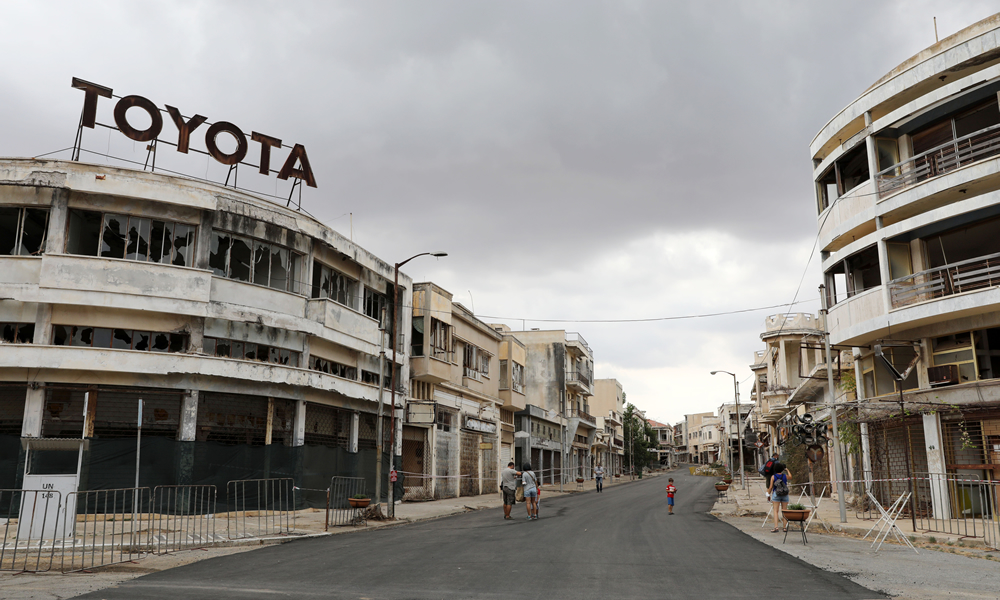
“It’s the only move I can see that breaks the Gordian Knot. Thirty thousand people would get their properties back. Turkish Cypriots will have direct trade. Greek Cypriots and the second largest fleet in the Eastern Mediterranean will have access to ports in Turkey. Flights will start from Larnaca to Istanbul. Trade between Turkey and Greek Cypriots will ease tensions between the parties and allow further collaboration on different issues.”
The next step could be access to SAFE. The sequencing could be discussed and prepared at the 5+1, he said.
Regarding the relationship between the two leaders in Cyprus, Hatay said both sides are currently not doing enough to earn each other’s trust. They are locked in their positions and focused on their own victimhood. They have not succeeded in showing they can work together, he said, arguing that the Varosha move could finally open the door to significant wins for all sides.