
For professional football clubs, how a team travels is increasingly dictated by when and where it needs to play. Training schedules, recovery time, equipment and last-minute fixture changes all shape a team's travel plans, and for clubs in Greece and Cyprus competing in European competitions, commercial flight schedules don't always cooperate.
When the fixture sets the flight schedule
"Football travel is highly time-sensitive," said Anestis Konstantinidis, Passenger Charter Broker for DACH, Cyprus and Greece at Chapman Freeborn, an aircraft charter company that works with clubs and sports organisations across the region. "A team may need to depart after training, arrive at a specific time before a match or return soon after the final whistle. The travel schedule therefore needs to be built around the team's sporting requirements."
A dedicated charter flight gives clubs more control over departure and arrival times, and allows players, coaching staff, medical personnel and club representatives to travel together rather than being split across separate commercial flights. For teams travelling away from home, that can help protect training and recovery time while reducing uncertainty around the journey itself.
More than picking an aircraft
Organising a team flight involves more than choosing the right plane. Passenger numbers, luggage volume, training and medical equipment, airport operating hours, catering and ground handling all factor into the planning.
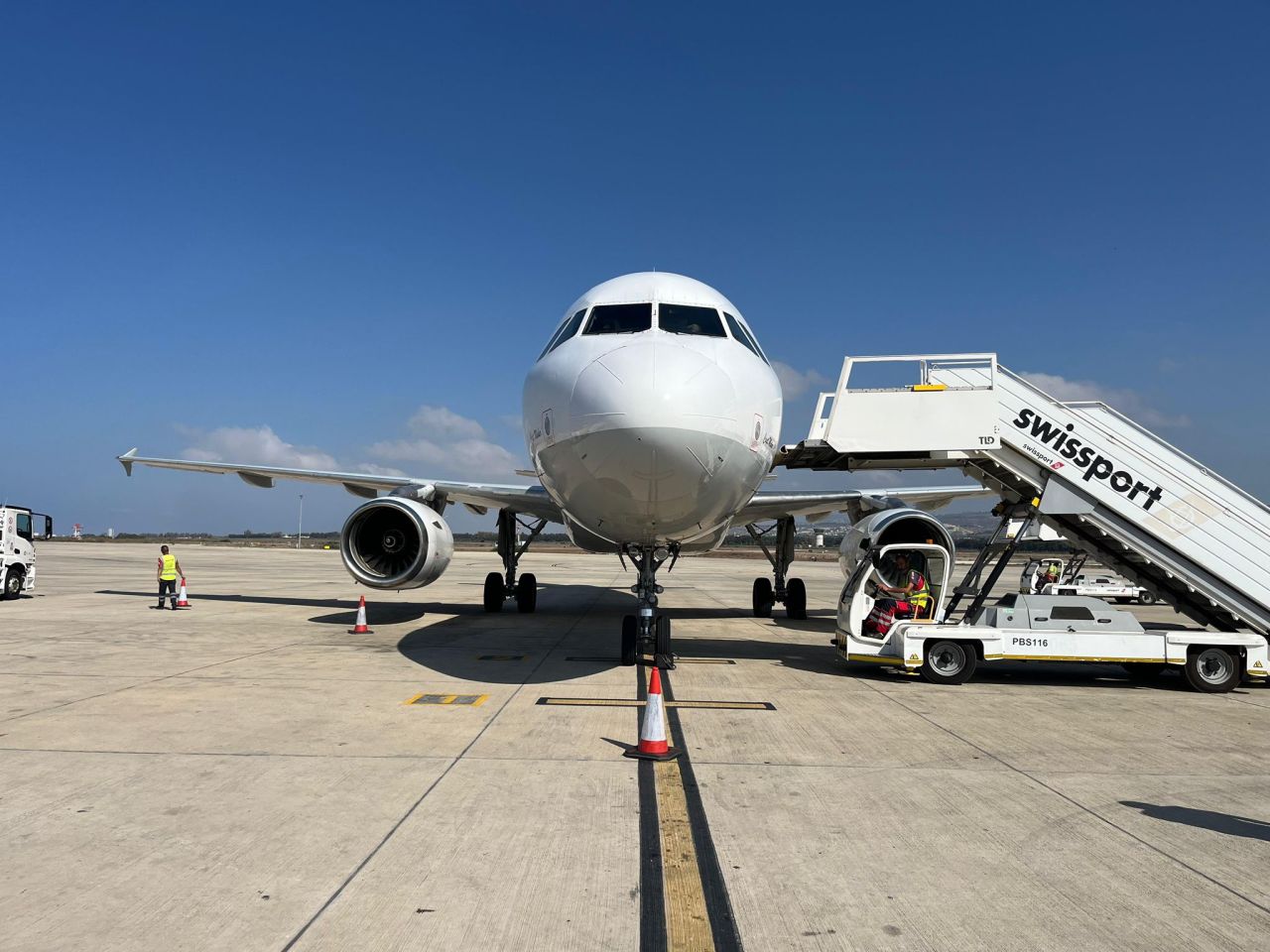
"The flight itself is only the most visible part of the operation," Konstantinidis said. "A significant amount of coordination takes place behind the scenes between the team, airline, airports and handling providers. Each club also has its own routines and preferences, which need to be understood in advance." Football delegations typically travel with considerably more luggage than an ordinary passenger group, including training equipment, medical supplies and physiotherapy materials, all of which can influence aircraft selection and airport handling. Catering, too, is often built around a squad's nutritional plans and dietary requirements.
Built-in flexibility for late changes
Football schedules rarely stay fixed. Kick-off times can be confirmed late, fixtures rescheduled, and return plans altered at short notice. "One of the main challenges is that plans can change very quickly," Konstantinidis said. "The priority is to keep all parties informed and adjust the arrangements without creating unnecessary disruption for the team." That flexibility, he said, is one of the main reasons clubs consider charter travel when scheduled airline options don't meet their operational needs.
A charter flight for Pafos FC
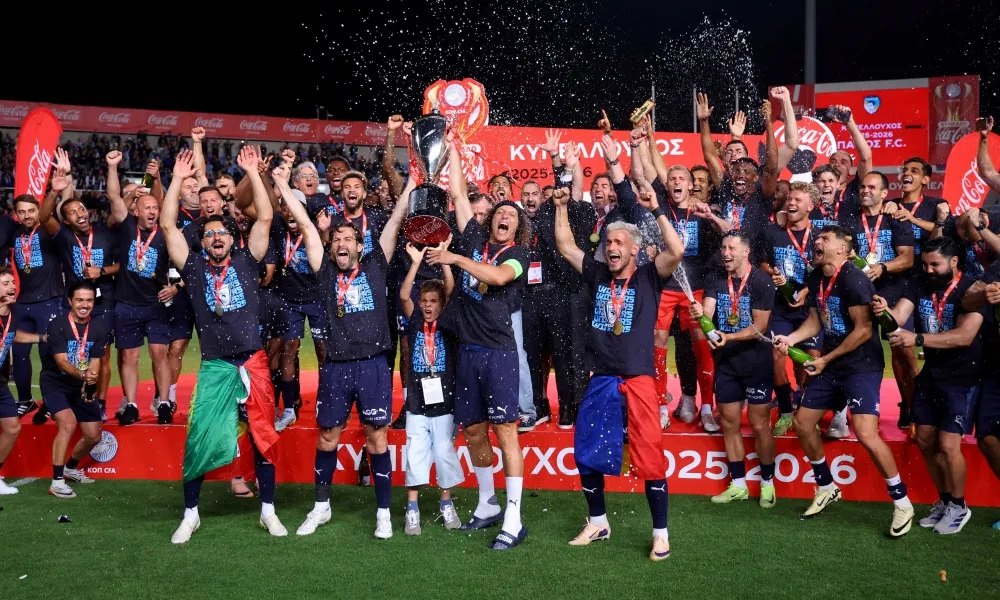
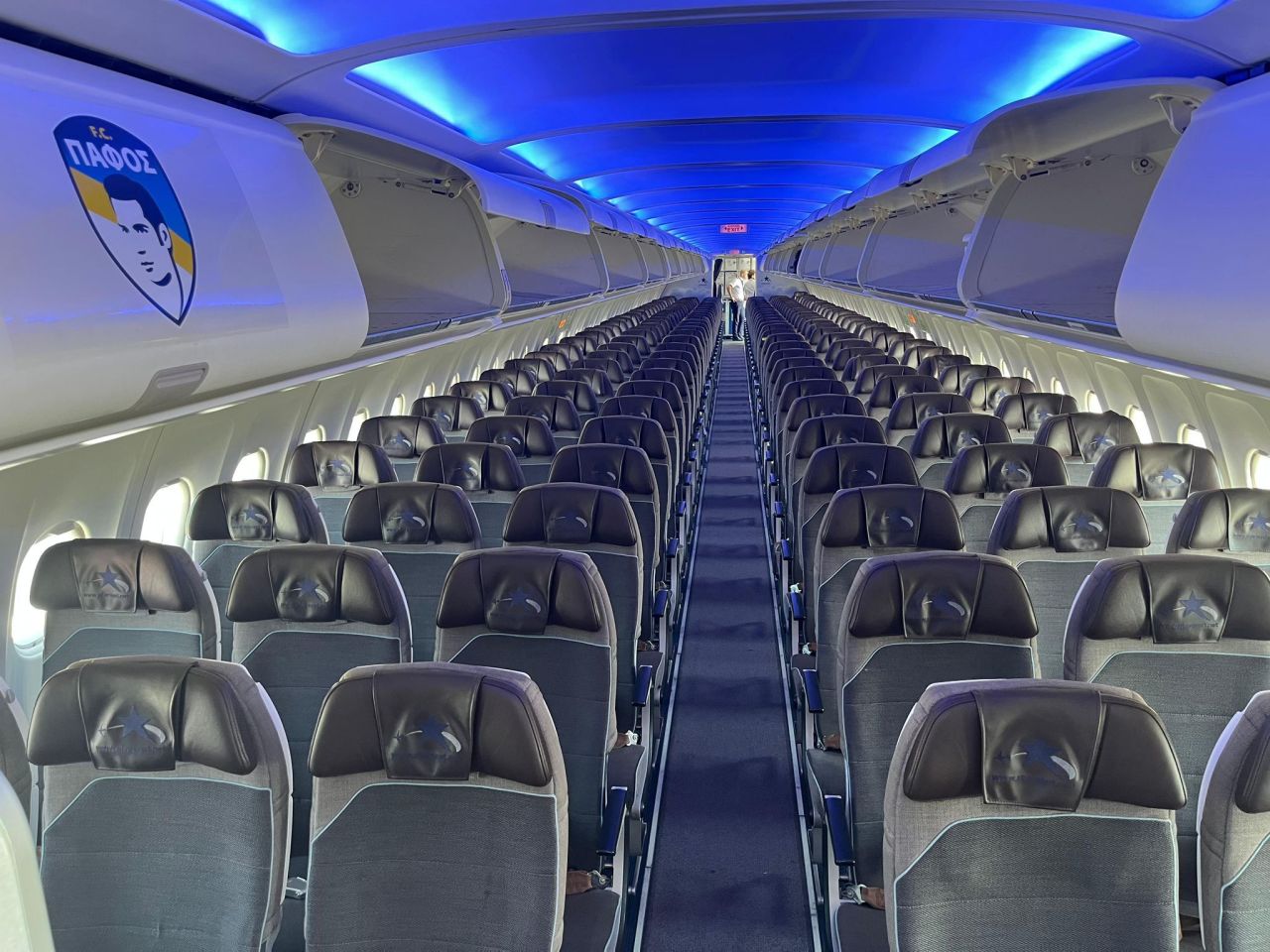
Last year, Chapman Freeborn arranged an Airbus A320 charter for 143 members of Pafos FC, travelling from Pafos to Athens for a UEFA Champions League fixture. The operation covered coordinating the delegation, luggage and airport arrangements, with the flight schedule built around the team's preparation needs.
The flight also included personalised touches: the Pafos FC logo was displayed on the aircraft, and the club's anthem played during boarding. "These small details helped create an atmosphere that felt familiar to the team," said Konstantinidis, who was in Pafos to oversee the operation through departure. "The main priority was an efficient and reliable journey, but the onboard experience was also tailored to the club."
Building a presence in Cyprus and Greece
Charter arrangements aren't limited to first-team travel. Depending on the requirements, flights can also be organised for national and youth teams, supporters, sponsors, club representatives and other groups linked to sporting events. Konstantinidis has also met representatives of the Cyprus Football Association in Nicosia to discuss football travel requirements and potential future cooperation.
While specialist sports charter services are well established in many European markets, Konstantinidis said there is still room to build greater awareness of the options available to clubs and federations in Greece and Cyprus. "Charter travel is not necessary for every journey, but it can provide an effective alternative when commercial schedules, group size or operational requirements make standard travel difficult," he said.
About Chapman Freeborn
Chapman Freeborn has more than 50 years of experience providing private air passenger and cargo charter services for corporations, governments, NGOs, relief agencies and high-net-worth individuals. The company is part of Avia Solutions Group, described as the world's largest ACMI (Aircraft, Crew, Maintenance and Insurance) provider, operating a fleet of 145 aircraft and more than 250 subsidiaries worldwide, with around 14,000 aviation professionals across six continents.