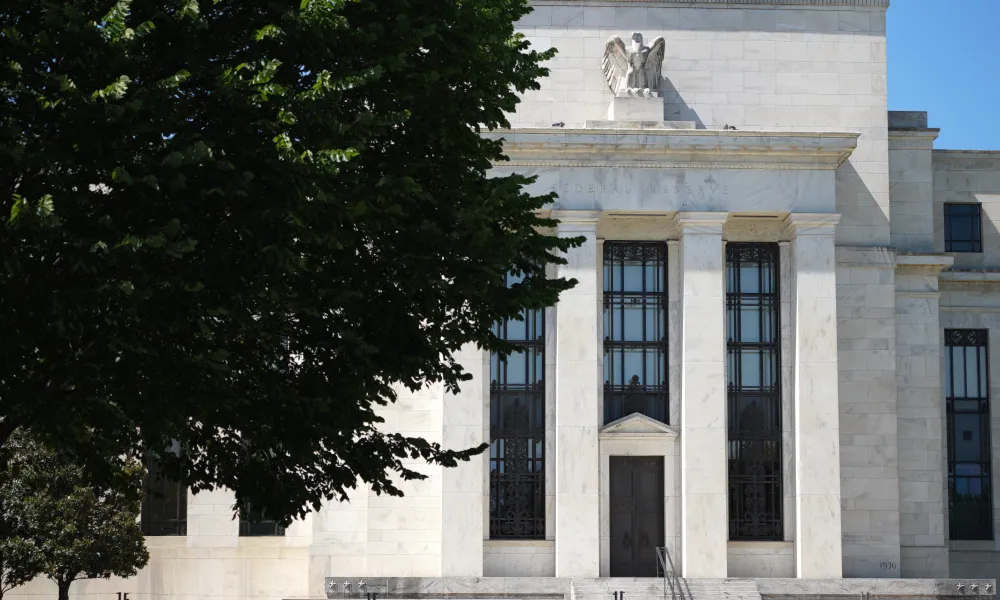



The US Federal Reserve is expected to keep interest rates unchanged at its meeting on Wednesday, the first under new chair Kevin Warsh. The decision will be announced at 2pm local time (1800 GMT). However, with inflation rising to a three-year high and climbing pressure within the Fed to act, analysts predict rate increases will follow in coming months.
Warsh is presiding over the two-day meeting of the Federal Reserve's Open Market Committee this week. The timing is fraught. US inflation reached its highest level in three years in April, driven largely by President Donald Trump's military campaign against Iran, which caused energy prices to spike and rippled through the broader economy. With labour markets stabilising, Fed officials are expressing growing anxiety over rising prices.
Rate increases are likely to come, but not this week. Analysts expect Warsh to align with other policymakers and vote to hold rates in the 3.50 to 3.75 per cent range. Dan North of Allianz Trade said: "I think he will be in the holding camp. It is fairly difficult to justify a cut when you already have inflation brewing."
Warsh has previously advocated for rate cuts, even as inflation remained well above the Fed's long-term target of 2 per cent. Inflation stood at 3.8 per cent in April according to the Fed's preferred measure. That history raised questions about whether he might push back against the consensus for holding or signalling future hikes. Analysts now expect him to abandon that position.
All eyes on Wednesday will focus not on the decision itself, which is virtually certain to hold, but on the language the Fed uses in its announcement. At least four of the twelve voting members of the committee have backed changing the statement's wording to suggest that the next move in rates could be either an increase or a decrease. Currently, the Fed's language points more clearly toward eventual cuts. A shift in that language would signal that rate hikes have moved into serious consideration.
Warsh will face immediate pressure from Trump, who has launched an unprecedented campaign of intimidation against the Fed, demanding lower rates. Rate increases will almost certainly enrage him. But Warsh will also face pressure from fellow policymakers who view inflation as the more pressing threat.
Source: AFP