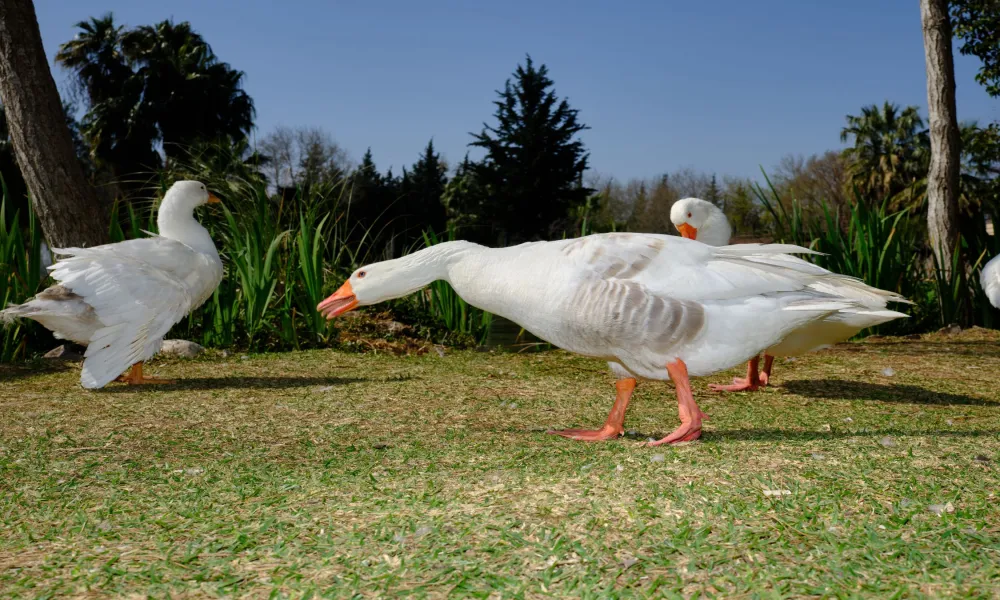

A case of H5N1 avian influenza has been detected in Cyprus in a goose at the lake in Athalassa National Forest Park in Nicosia.
Authorities are advising the public to avoid close contact with birds at the park, while poultry farmers and people keeping birds at home have been instructed to take additional protective measures.
According to information available, the goose had been spotted by a woman in recent days behaving abnormally. The bird died the following day.
How avian influenza spreads
According to the Veterinary Services, avian influenza is a contagious viral disease affecting birds, caused by type A influenza viruses.
Healthy birds can become infected either directly, through contact with infected or sick birds, or indirectly through contaminated objects.
As the case involves a goose found at the lake in Athalassa National Forest Park, visitors are advised not to approach or feed birds and to avoid close contact with them.
The Veterinary Services are continuing laboratory tests in cooperation with the Community Reference Laboratory to determine the pathogenicity of the virus detected.
The European Commission and the World Organisation for Animal Health have also been informed.
Poultry must be kept in covered areas
Poultry farm owners are required to take all necessary measures to prevent their birds from coming into contact with wild or migratory birds.
People keeping poultry at home must confine their birds to enclosed and covered areas to prevent direct or indirect contact with wild birds. This applies particularly to communities near wetlands.
Keeping poultry outdoors is strictly prohibited, as is providing food and water in outdoor areas.
Food must also not be provided in a way that could attract wild birds to feed from supplies intended for domesticated poultry.
The use of water from surface reservoirs accessible to wild birds for poultry is also prohibited.
Owners required to report suspected cases
Under Cyprus’ animal health legislation, anyone who notices increased illness or deaths among their poultry that could indicate the presence of the disease must immediately notify the district veterinary officer.
The Veterinary Services provided the following contact numbers:
- Nicosia District Veterinary Office: 22 805241
- Larnaca District Veterinary Office: 24 821275
- Famagusta District Veterinary Office: 23 824555
- Limassol District Veterinary Office: 25 819512
- Paphos District Veterinary Office: 26 821260