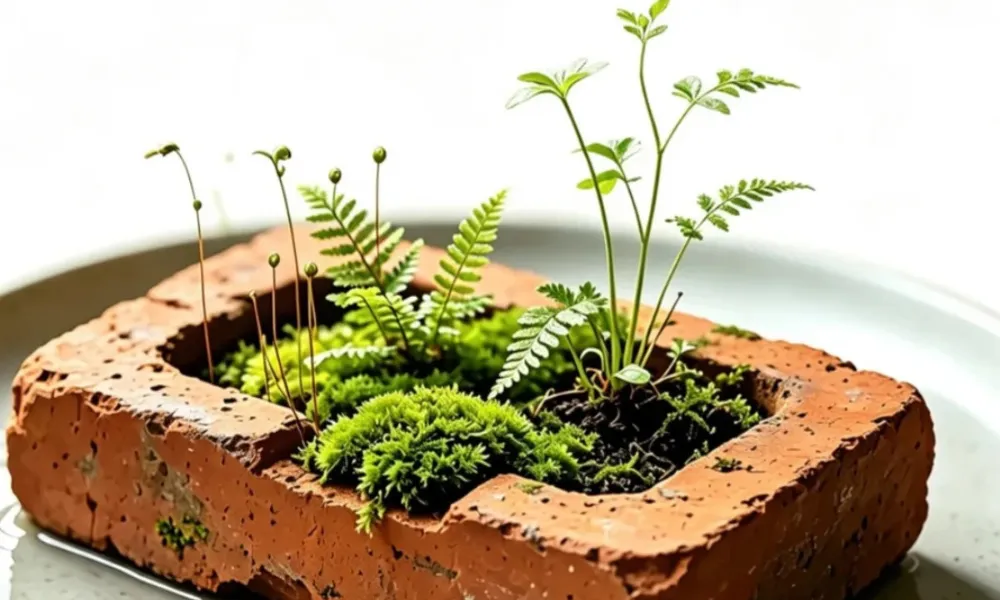

A growing number of young adults in China are turning to an unusual alternative to parenthood or pet ownership: looking after bricks. The hobby costs almost nothing and demands little effort, and it has spread across Chinese social media as many young people face a difficult jobs market, The Guardian reports.
How “brick raising” works
Caring for so-called “brick babies” is simpler than keeping house plants. Owners spray the bricks with water several times a day and wait for moss spores, already present in the air, to settle on the surface and grow.
According to Chinese media cited by The Guardian, the bricks are almost impossible to kill. If owners forget to water them, the moss becomes dormant, and it turns green again once watering resumes.
Popularity on social media
A hashtag linked to the trend has drawn more than 5 million views on the Chinese platform Weibo. Users also document how their bricks change over the course of a year, tagging their posts with labels such as healing and stress relief.
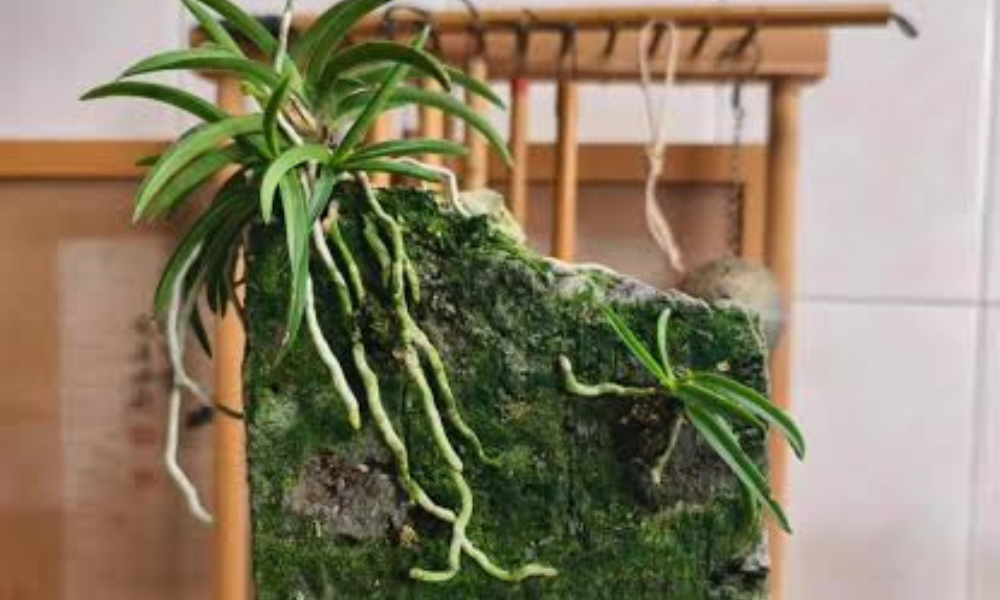
“No cats, no dating, I started raising a brick,” one owner wrote on social media.
What users say they get from it
Chinese commentators have linked the trend to young people seeking low-effort ways to find meaning in life. One owner told Chinese media the hobby brought a sense of achievement comparable to completing a long-term project.
On Xiaohongshu, also known as Rednote, one user shared a photo of a rust-coloured brick and praised the fact that it requires no output, no performance targets and no comparison with others.
Another user said a brick offered a sense of certainty that felt more grounded than many relationships, describing it as a form of “zero-energy emotional companionship”, a term the user attributed to psychologists, which provides company without the obligation to give love in return.
Unemployment and a falling birthrate
The trend comes as young people in China increasingly reject traditional expectations, such as having children and working long hours in demanding jobs.
According to official statistics cited by The Guardian, nearly one in five people aged 16 to 24, excluding students, are unemployed, with some estimates putting the figure much higher. China’s birthrate has been falling and reached a record low last year.
After years of intensely competitive study and faced with a sluggish job market, many young people are opting out of the rat race in favour of “lying flat”, a low-effort, low-stress lifestyle.
Health warnings over mould
The hobby has become popular enough for Chinese media to warn of possible health risks. Growing moss can encourage the spread of mould, and some owners have reportedly complained of itchy eyes and runny noses.
Xuedong Li, a retired professor of moss at Beijing’s Capital Normal University, advised people to keep their bricks in an enclosed space and to wear disposable gloves and a mask when handling them, to reduce skin contact and the inhalation of spores, The Guardian reports.
With information from The Guardian