
If ensuring affordable and reliable electricity for Cyprus is an urgent priority, then the state must act with speed and consistency to secure both energy adequacy and lower power costs. At present, Cyprus remains far from achieving either objective.
Energy security was tested once again this year, while electricity prices continue to place pressure on households and businesses alike.
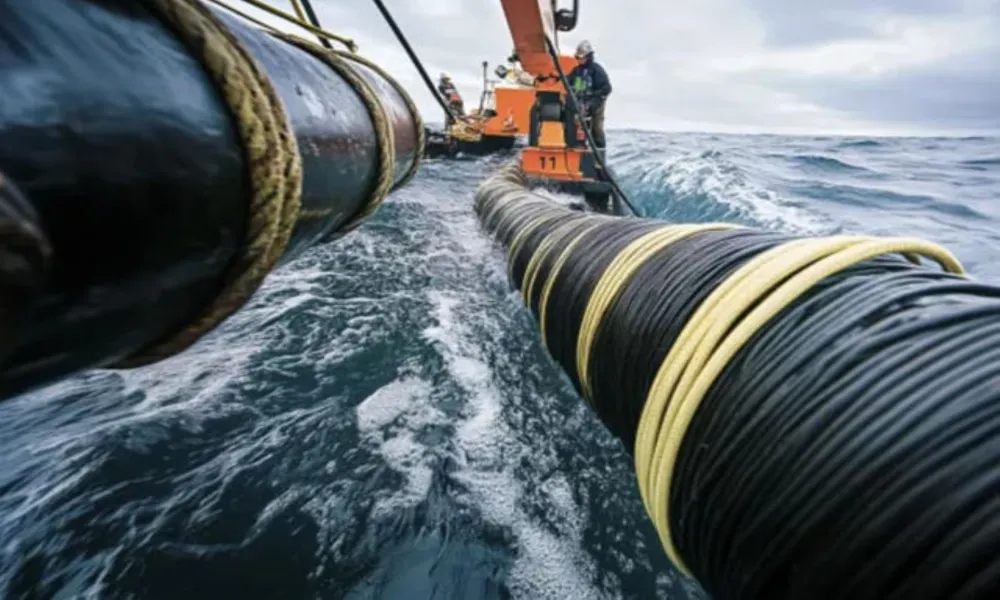
Electricity interconnections form part of the solution. Deliberately, the discussion should not be limited to a single project. Although public attention is focused on the Great Sea Interconnector (GSI), Cyprus ultimately needs a wider network of interconnections, including links with Israel, Egypt and Lebanon. In the event of a settlement of the Cyprus problem, an interconnection with Turkey would arguably be the simplest project to develop.
Yet the only interconnection project currently moving toward implementation is the one linking Cyprus and Greece, and the Cypriot government still does not appear to have adopted a consistently clear position.
This hesitation exposes Cyprus, including in its relationship with the European Union, which has already approved €657 million in funding for the project and disbursed €167 million. Project expenditure has already reached approximately €300 million, while Greek consumers are contributing through their electricity bills toward the construction phase.
In Cyprus, the government chose not to pass the cost on to consumers. Instead, the commitment was made for the state to cover the country's contribution, namely the frequently discussed €25 million annually during the five-year construction period.
Given the already high cost of electricity, that decision was justified. However, the government has yet to honour that commitment by releasing the funds.
What has been evident so far is prolonged hesitation and uncertainty, a position that naturally raises legitimate questions.
The time has come for clear answers.
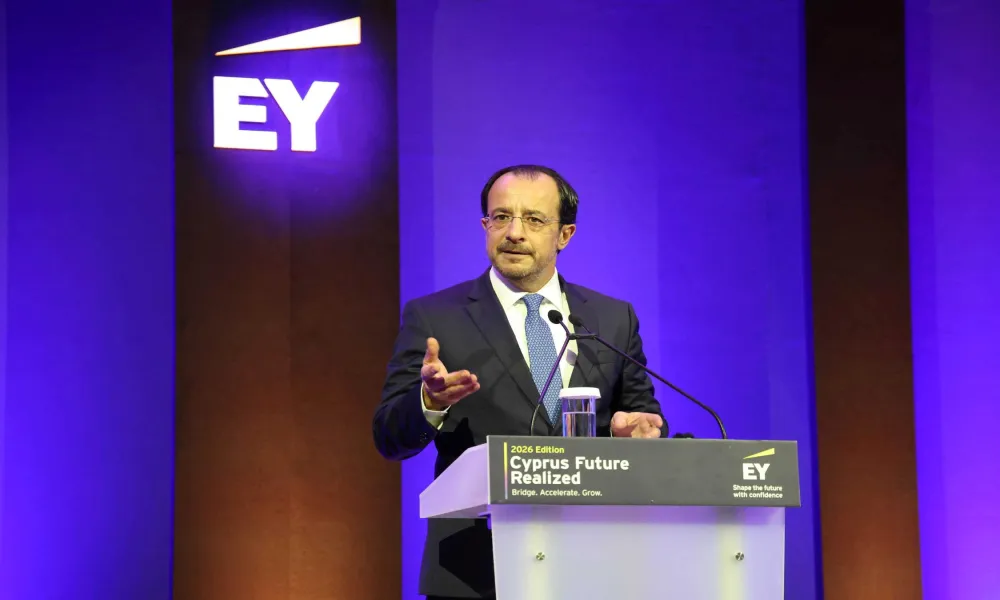
On Wednesday evening, President Nikos Christodoulides stated that, for the first time, he sees meaningful progress on the project following the entry of French investment company Meridiam.
That statement is significant not only because it represents a shift in tone, but because it suggests recognition that the project cannot remain indefinitely in a holding pattern.
The involvement of a major international investor, political backing from Athens and Paris, and the European dimension of the project all strengthen the case for proceeding with the GSI.
That is precisely what Christodoulides himself acknowledged.
If the government supports the project, it must now demonstrate that support in practice and assume the political and financial responsibilities that accompany it.