
Athens Medical Association Inspects Clinic in Mazonakis Death Probe

Header Image

Authorities and medical inspectors have examined the Kolonaki clinic where Giorgos Mazonakis suffered cardiac arrest, with investigators focusing on its licensing status and the equipment used on site.

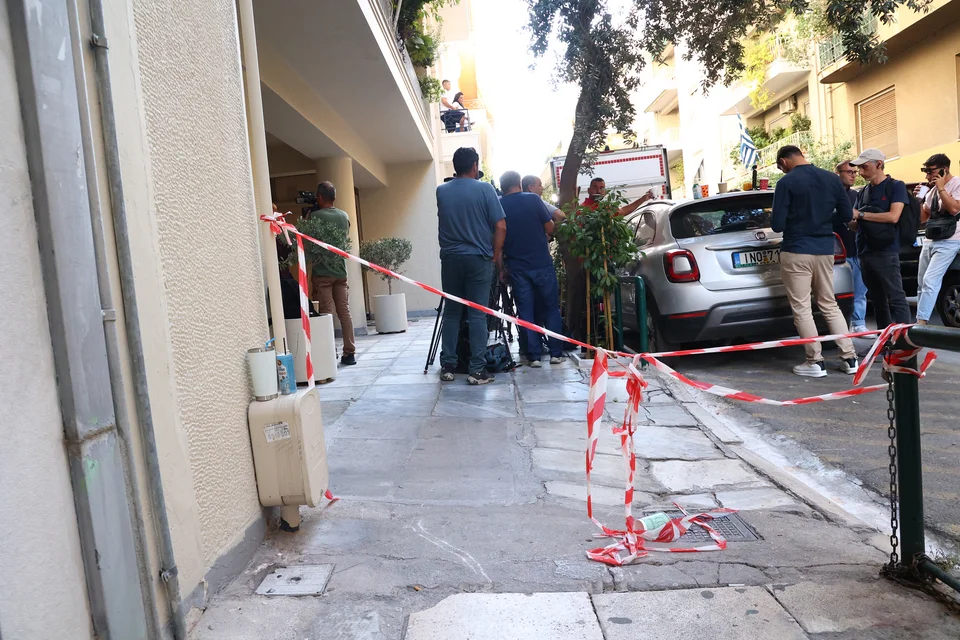
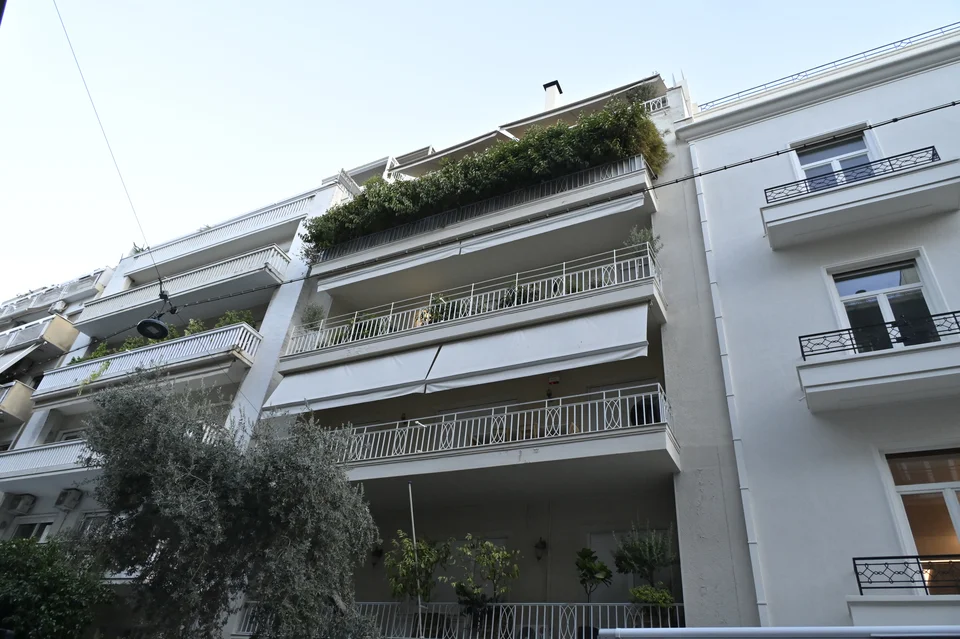
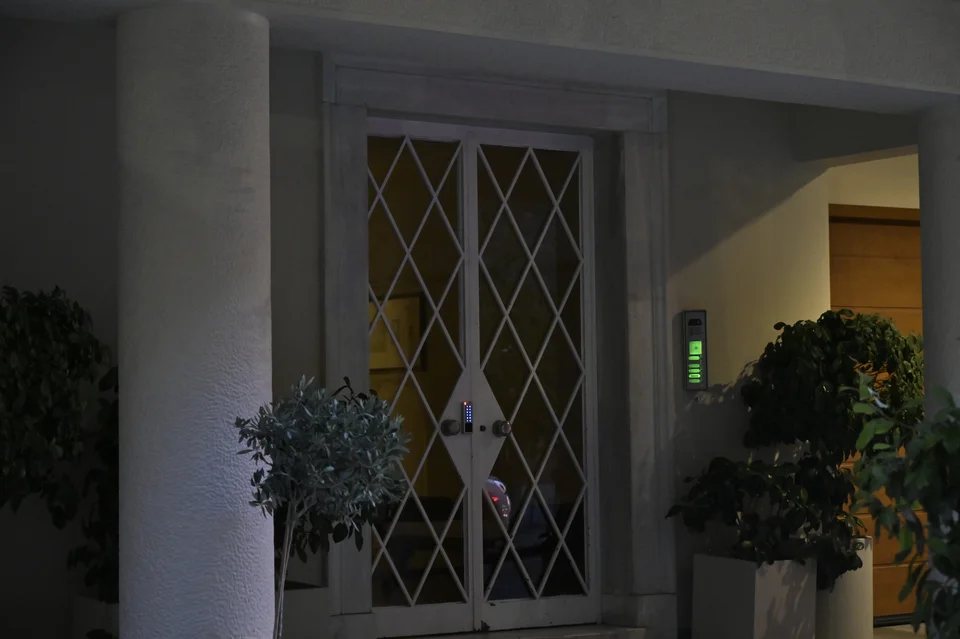
Police officers, prosecutors and a team from the Athens Medical Association (ISA) visited the Stem Cell clinic in Kolonaki on Thursday as part of the investigation into the death of singer Giorgos Mazonakis.

The inspection focused on whether the facility had the necessary licences to operate and whether it was authorised to perform the specific medical procedures under investigation.

Clinic equipment under inspection

A special ISA committee carried out an on-site inspection to determine whether the clinic was equipped to perform plasmapheresis, the treatment Mazonakis had reportedly been scheduled to undergo.

ISA President Giorgos Patoulis said the facility was licensed as a pathology clinic and not as a centre authorised to carry out plasmapheresis.

"It held a licence as a pathology practice. Plasmapheresis could not be carried out there. There is no plasmapheresis machine registered in the clinic's file," Patoulis said.

According to Patoulis, the clinic housed a pathologist and another doctor without a specialist qualification who practised preventive and holistic medicine.

He added that ISA records contain no reference to a plasmapheresis machine, suggesting that if such equipment was present, it had not been officially registered.


 

Article image
Article image
Article image
Article image
Article image
Article image
Slide 1 of 6


Questions over licensing

Patoulis stressed that plasmapheresis is a specialised medical procedure requiring both certified equipment and specially trained medical staff capable of assessing patients and managing potential complications.

He noted that the treatment is commonly used in public hospitals for blood-related conditions and blood purification, while newer applications also involve plasma cleansing and detoxification treatments.

Although plasmapheresis can be performed in day-care medical units abroad, Patoulis said such procedures require the appropriate licences, facilities and qualified personnel.

The singer's final hours

Mazonakis arrived at the private clinic on Karneadou Street on Wednesday afternoon for a scheduled plasmapheresis session.

During his visit, he suffered cardiac arrest and emergency services were called.

A paramedic arriving by motorcycle began cardiopulmonary resuscitation before an ambulance team continued efforts while transporting him to Elpis Hospital.

According to the hospital, the singer arrived at 4.45pm without a pulse or spontaneous breathing. Resuscitation efforts continued in line with medical protocols but doctors were unable to revive him.

Plasmapheresis remains central to investigation

Alongside the investigation into the cardiac arrest itself, authorities are examining the procedure that Mazonakis was expected to undergo.

Plasmapheresis involves passing blood through specialised equipment that separates plasma from other blood components. Part of the plasma is removed and the blood cells are returned to the body together with replacement fluids.

The procedure is used for certain haematological, neurological, renal and autoimmune conditions.

While it is a recognised medical treatment, it requires specific safety standards, specialist equipment, trained personnel and constant monitoring, as complications such as low blood pressure, calcium imbalances, allergic reactions and issues relating to vascular access can occur.

Investigators are therefore seeking to establish whether the clinic had the required authorisations and infrastructure to perform the procedure.

Authorities are expected to rely on inspection findings, witness testimony and medical and forensic evidence to determine exactly what occurred before Mazonakis suffered cardiac arrest.