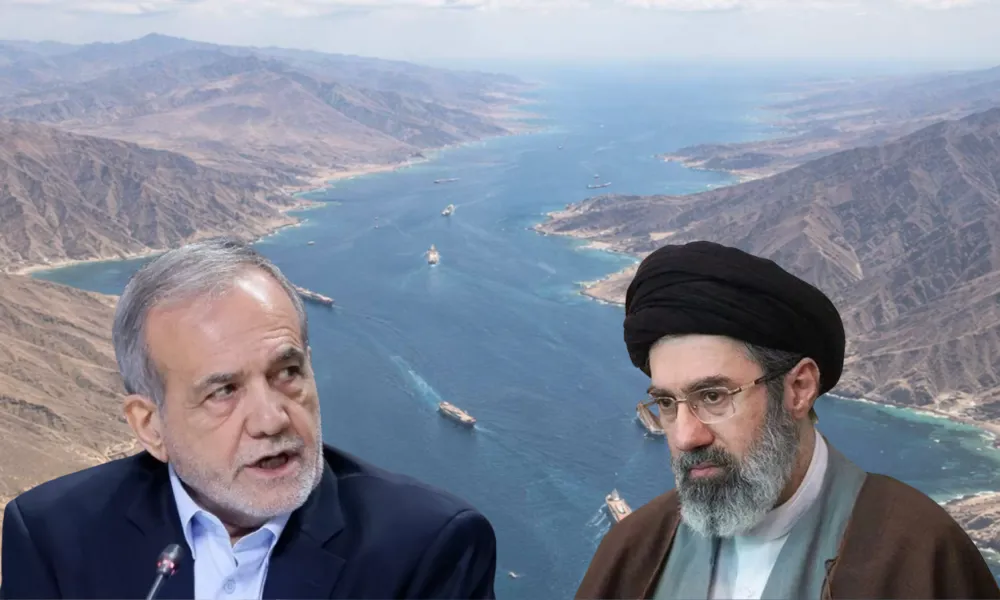

The captain of an oil tanker reported hearing two explosions while the vessel was transiting the Strait of Hormuz near the Omani coast, according to the United Kingdom Maritime Trade Operations (UKMTO) maritime security agency.
The incident occurred amid heightened regional tensions and as Oman continues consultations with Tehran on managing the strategically important waterway.
According to UKMTO, the incident was recorded about nine nautical miles southeast of Kumzar, Oman. Despite the explosions, no injuries or damage to the vessel were reported, the crew remained safe and there were no indications of environmental pollution.
Strait of Hormuz under scrutiny
The incident comes as Iran maintains tighter control over navigation through the Strait of Hormuz following the outbreak of war in the Middle East on 28 February.
According to the report, Tehran has restricted vessel movements to a specific shipping corridor along its coastline and has at times fired warning shots at vessels it believes are not complying with its instructions.
Houthis claim new tanker attacks
Meanwhile, Yemen’s Iran-backed Houthi rebels claimed they targeted a second Saudi oil tanker in the Gulf of Aden, according to a statement from their military spokesman.
Saudi Arabia has not confirmed the claim.
Earlier the same day, the Houthis announced they had attacked another Saudi tanker off the port of Yanbu in the Red Sea.
Questions over Iran’s Supreme Leader
Attention also turned to developments inside Iran following comments by President Masoud Pezeshkian regarding Supreme Leader Mojtaba Khamenei.
The Iranian president said communication with Khamenei is “very difficult at the moment”, while insisting his role remains crucial to the country’s direction.
Speculation over Khamenei’s health
Mojtaba Khamenei has not appeared in public since assuming the role of Supreme Leader in March following the death of his father, Ayatollah Ali Khamenei, who was reportedly killed during the first US and Israeli air strikes against Iran on 28 February.
According to the same reports, the younger Khamenei was injured in the attack, which also claimed the lives of several Iranian officials. Since then, his public interventions have been limited to written statements.
His prolonged absence from public life, including his non-attendance at his father’s funeral in July, has fuelled speculation about his health and his relationship with other senior figures within Iran’s ruling establishment.
Pezeshkian defends Iran’s leader
Pezeshkian sought to quell the speculation by expressing support for the Supreme Leader.
He said that during their meetings, Mojtaba Khamenei had received him with “kindness and very strong reasoning” and accused critics of attempting to create a distorted image of him.
“Unfortunately, the current situation allows malicious individuals to describe him differently and present a different picture of him,” Pezeshkian said.
Source: CNA