Units operated before safety checks
The issue goes beyond delays in completing the project. The Audit Office found air-conditioning units that had been put into operation before procedures designed to protect pupils and teachers from electrical risks had been completed.
Before the units could operate, the necessary electrical upgrades should have been carried out, followed by inspection and certification of the installation and a final inspection.
Instead, the Audit Office identified cases in which units were put into operation before the required process had been completed, referring to procedures being bypassed “with the knowledge” of the Education Ministry.
According to the Audit Office, the practice carries a risk of serious accidents.
Its report identifies potential consequences including fire caused by overloading and overheating of cables or electrical panels, electric shock resulting from inadequate protection or grounding, damage to equipment and direct risks to pupils and staff in schools attended by hundreds of children every day.
Audit photos show electrical problems
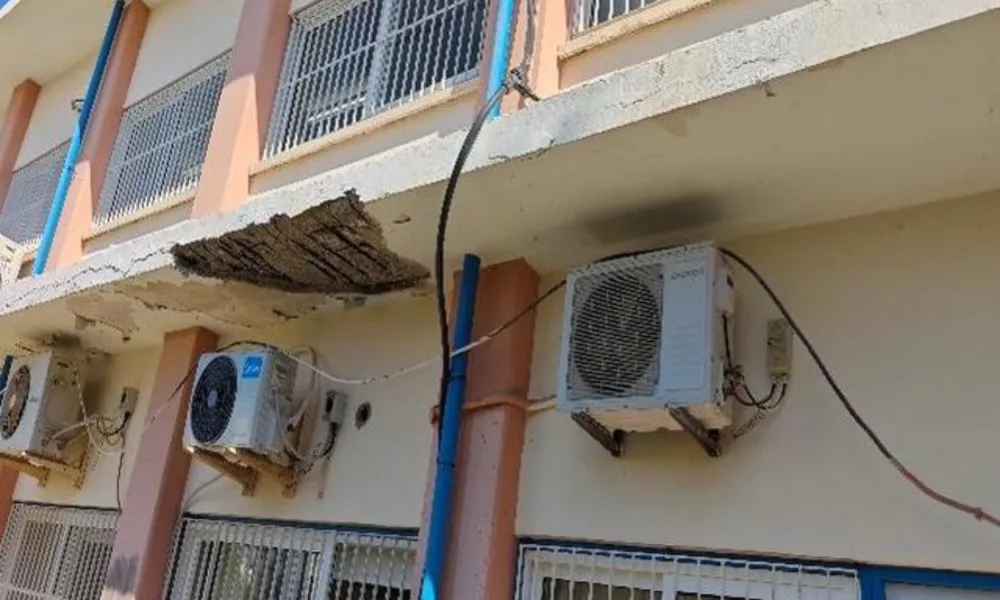
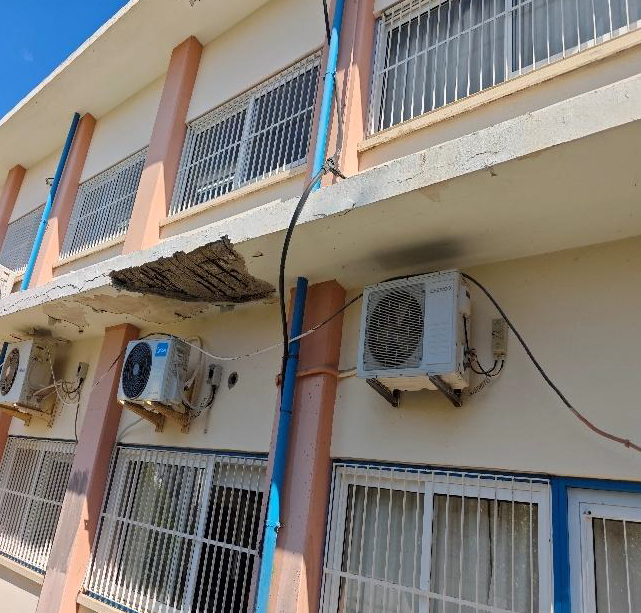
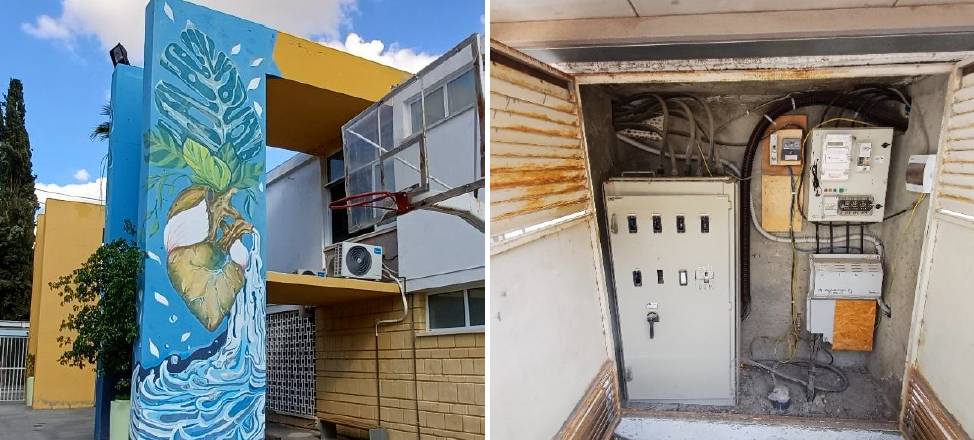
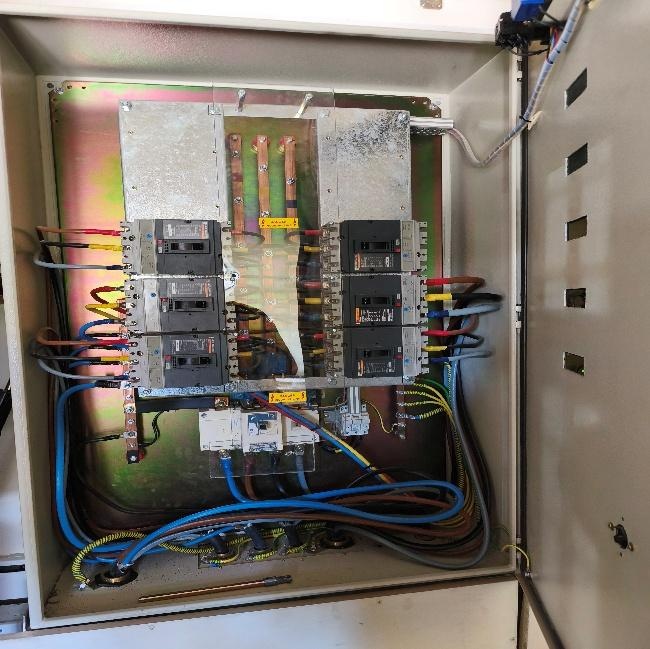
Photographs included in the Audit Office report show makeshift electrical connections, interventions involving safety mechanisms on electrical panels and air-conditioning units operating on installations that had not undergone the required inspection and certification process.
One of the most significant examples was identified at Ethnomartyras Kyprianos Lyceum in Strovolos.
The Audit Office recorded significant safety issues with the electrical installation, a large number of air-conditioning units without electrical connections, outstanding work and a pending load upgrade.
Units that had been connected were operating on a rotational basis, while makeshift connections had been used to allow some equipment to operate temporarily.
Inspectors also found that the door interlock on an electrical panel had been removed, meaning the panel could be accessed without first isolating the electricity supply.
The Audit Office noted that this may have been linked to the need to frequently reset a switch that was tripping because of overloading.
In another case, a protective switch was reported to have tripped and been reset seven times during the same day.
Air con operated on a rotational basis
The problems were not limited to one school.
At Engomi A Primary School, which the Education Ministry had also listed as being “in operation”, the Audit Office found that electrical works and/or an electrical load upgrade remained outstanding, along with an inspection by the Electricity Authority of Cyprus.
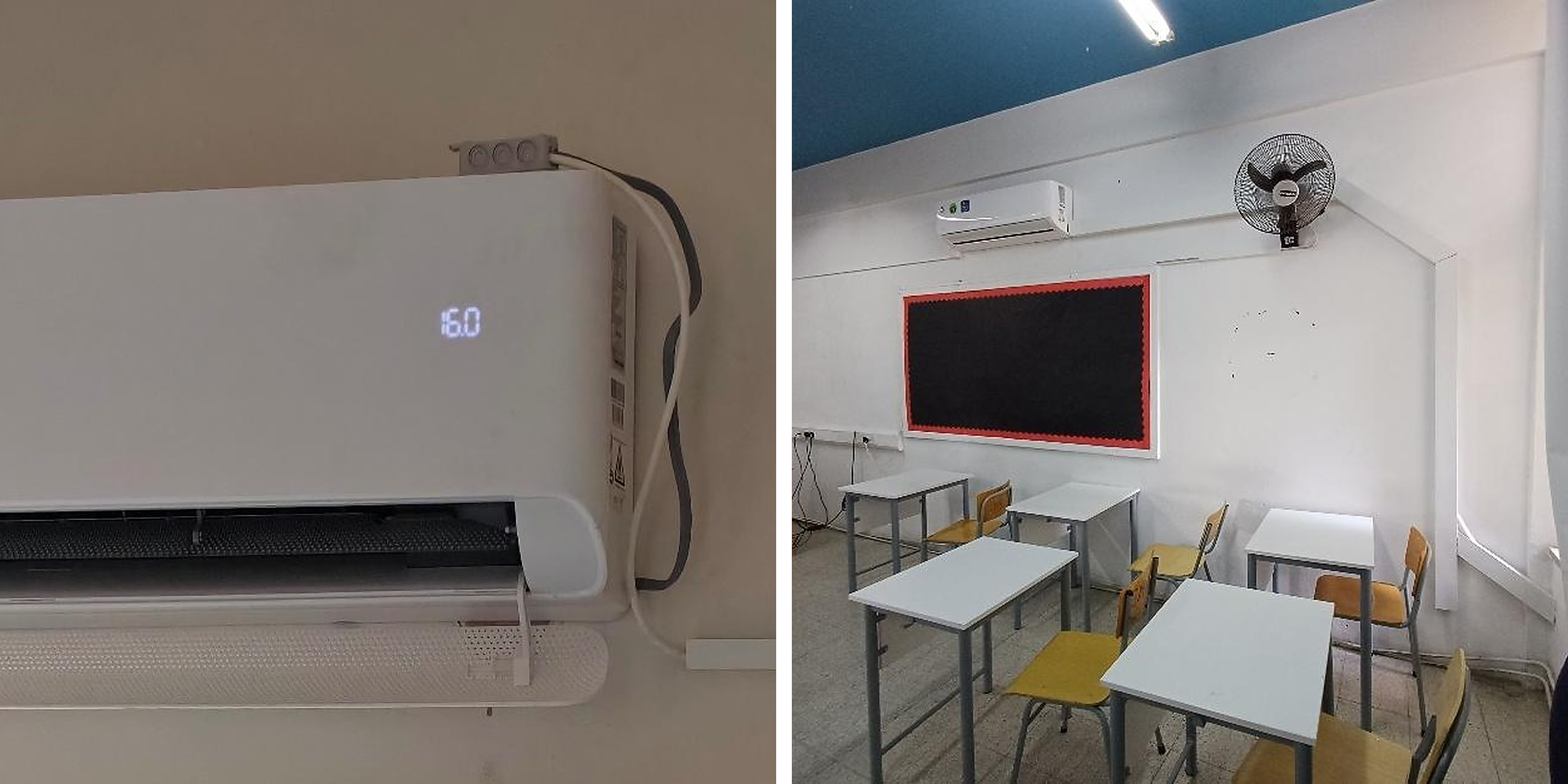
Until those procedures were completed, the air-conditioning units were being operated on a rotational basis because the available electrical load was insufficient.
At Aglantzia VI Primary School, the school had been presented as “in operation”, while the School Board had described the work as completed.
The Audit Office, however, recorded air-conditioning units operating rotationally because of insufficient electrical capacity, as well as the main switch frequently tripping because of overloading of the electrical installation during normal school operation.
Tenders attracted limited competition
The Audit Office also identified particularly limited participation in tenders connected with the installations.
In Nicosia, a first-phase tender with an estimated value of €280,000 was awarded for €570,670, after receiving only one bid. The difference amounted to 103.8%.
All three phases were awarded to Blue Sun Automation Ltd.
The three contracts had a combined estimated value of €2.68 million but ultimately reached €3.31 million, an increase of 23.6%.
In Limassol, the nine installation contracts listed in the report were divided among Teklima, Chanat and Blue Sun.
In one case, a contract with an estimated value of €125,000 was awarded for €216,000, following a single bid and representing a difference of 72.8%.
The Audit Office attributed part of the limited competition to particularly high participation requirements and insufficient market research.
Midea accounts for 88% of units
Of the 5,165 air-conditioning units included in the project, 4,526, or 88%, were Midea units.
The remaining 639 units, or 12%, were Gree.
The Audit Office clarified that this concentration does not in itself establish that competition was restricted, but said the factors that led to it should be examined.
Ministry could not provide full installation plan
The Audit Office said that when it requested a complete installation plan from the Education Ministry for each school and district, including specific timetables, the ministry was unable to provide it.
A detailed breakdown was eventually supplied more than two years later and after the audit had been completed.
Implementation of the project had been assigned to School Boards despite their limited technical staffing.
A central coordinator from the Education Ministry was appointed only in April 2026, when the project had already reached the third phase of its original plan.
Audit Office calls for immediate disconnections
Following its findings, the Audit Office called for the immediate disconnection and termination of operation of air-conditioning units where the final inspection, electrical inspection and certification have not been completed.
It also called for possible responsibility to be examined among individuals at the Education Ministry or School Boards who permitted the units to operate before the legally required procedures had been completed.
The Audit Office further requested an immediate inspection of all schools where air-conditioning units have been installed or are currently being installed, so that any safety-related deviations can be identified and corrected.