


The new Netflix series 'Legends' has brought to light one of the darkest Cypriot stories of the 20th century: that of a young man from a village outside Limassol who allegedly betrayed his fellow fighters, became an MI6 agent, and ended up being described as the finest asset British Customs had ever deployed in the global heroin trade. Politis traced the story behind the character.

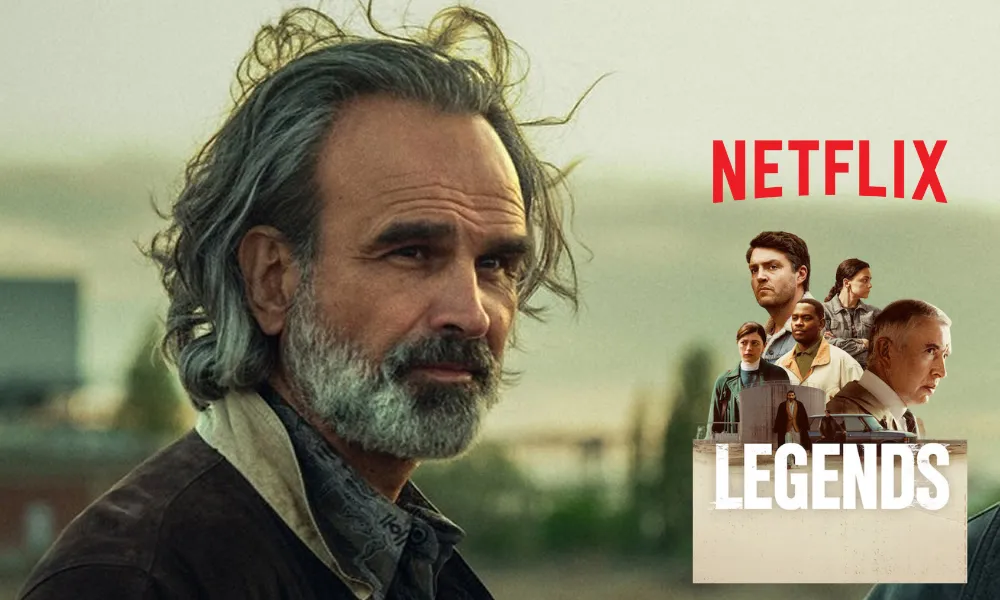
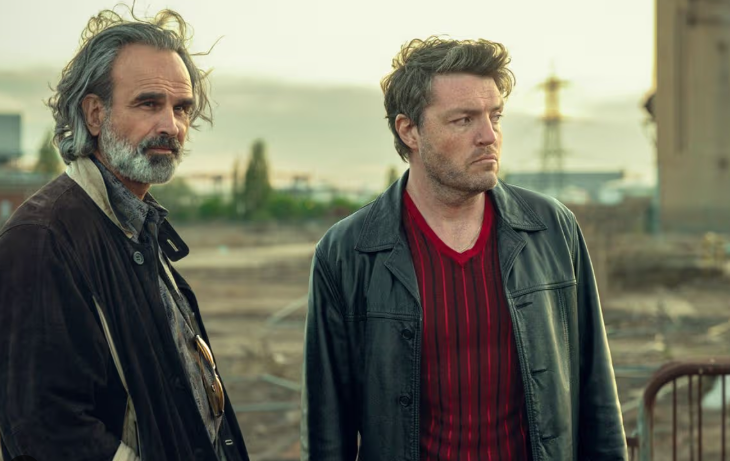
The new British Netflix series Legends, which premiered on 7 May 2026, tells the true story of a covert operation by HM Customs and Excise in the early 1990s. Tom Burke plays Guy Stanton, an ordinary customs officer sent undercover to infiltrate the heroin networks flooding Britain with drugs from Afghanistan. The series is based on the real Guy Stanton's memoir, The Betrayer, published in 2022, and creator Neil Forsyth has confirmed that almost all the characters correspond to real individuals. One of them is Mylonas, played by Gerald Kyd, a Greek Cypriot with deep connections to the criminal underworld who helps Guy gain access to Turkish drug barons. As early as the second episode, it is revealed that Mylonas had been a member of EOKA (the National Organization of Cypriot Fighters) who later allegedly collaborated with the British colonial authorities, a past that branded him a traitor. Forsyth acknowledged to The Times of London that the character of Mylonas was partly inspired by Andreas Antoniadis, known by his alias Keravnos, meaning Thunderbolt. A source close to Keravnos who has maintained contact with him over the years confirms that he is still alive, now in his 90s.
A restless young man from Foini
Foini is a village built on the slopes of the Troodos mountain range. It was there that Andreas Antoniadis was born, into a poor family, sometime in the early 1930s. A villager who agreed to speak to Politis anonymously, since the subject remains taboo even today, describes a restless, active young man. "He was spirited, he had a motorbike, he rode up and down the mountains as a boy, very active and daring," he said. Like thousands of young Cypriots of his generation, Antoniadis joined EOKA, the liberation struggle against British colonial rule and the fight for the unification of Cyprus with Greece. At some point, however, he allegedly changed sides.
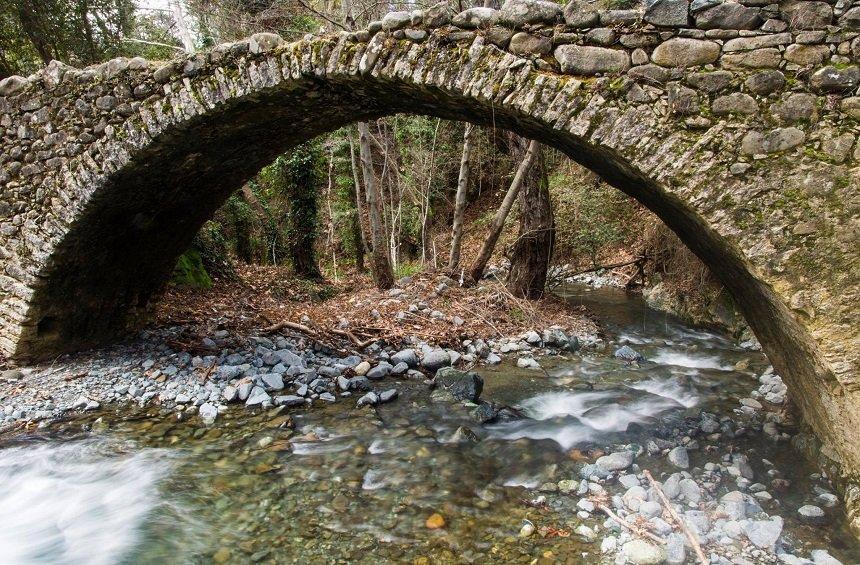
In Foini, people say that in 1957 Antoniadis was captured by British forces near the river. He was surrounded with no way out. What happened during the interrogation remains unknown. What is known is that he allegedly became an informant. A testimony published in «Φωνή της Πάφου» places him on 2 March 1957 in a car with British officers on the road to Nikoklia, searching for EOKA fighters. He was identified as "Andreas Antoniadis of Foini, also known as Keravnos." According to the testimony he was blond, of medium height. The same testimony connects him to the search for the hideout of Grigoris Afxentiou, which led to the burning of Machairas monastery in March 1957, as well as to the alleged betrayal of fighters Christos Kkelis and Miltiades Stylianos, who met tragic deaths.
Asylum in London, scandal at the Old Bailey
When his cover was blown, the British did not abandon him. According to the New York Times of 7 November 1959, Antoniadis had received £20,000 for his services in Cyprus, an astronomical sum for the time. He was transferred to London, granted asylum and a weekly allowance of £25. He was barely 26 years old.
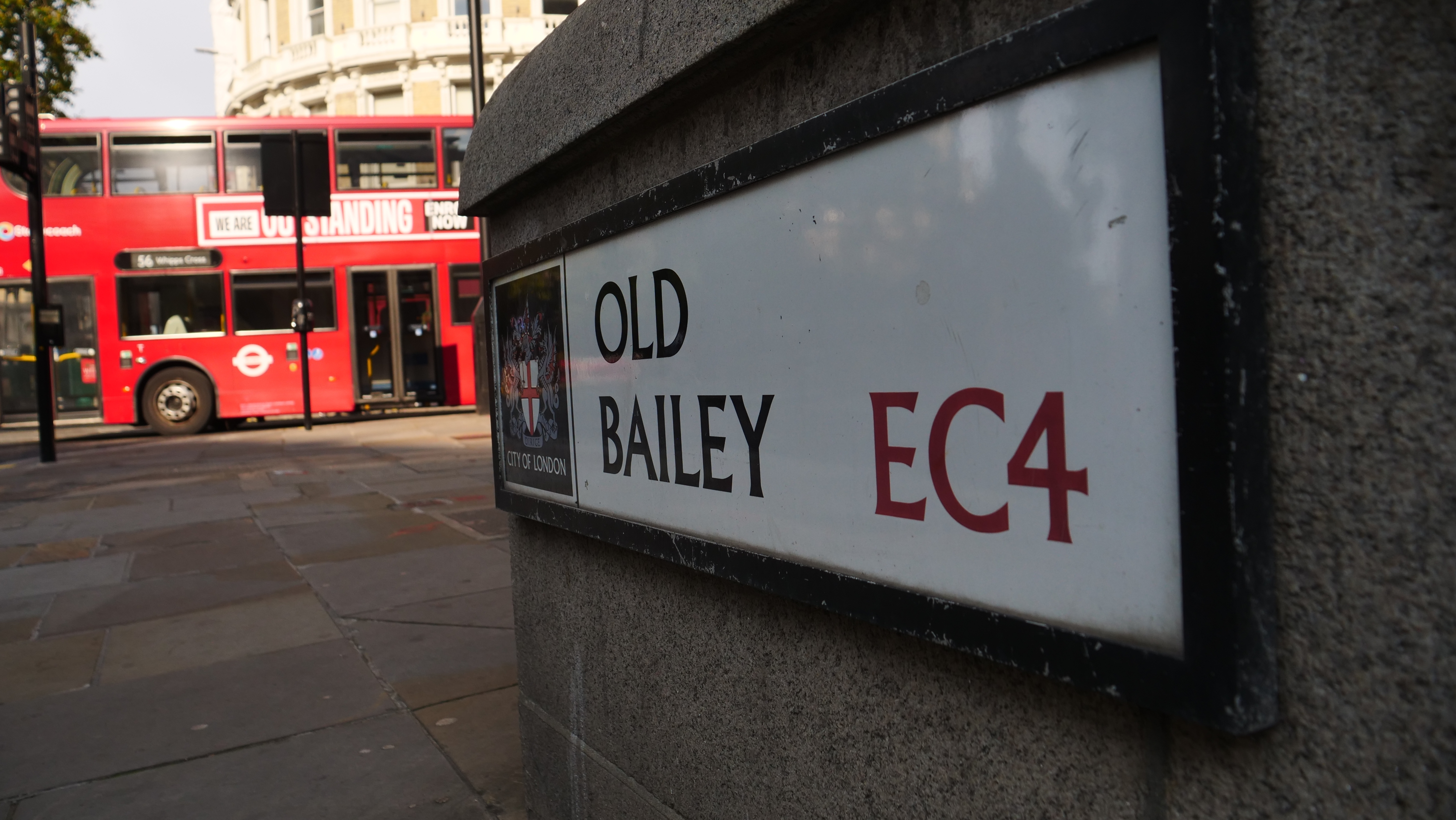
In London, however, he allegedly did not keep a low profile. He is said to have organised an extortion network within the Greek Cypriot community of Camden Town, targeting café owners. When Neoklis Polydorou refused to cooperate, Antoniadis reportedly fired seven shots through the window of his café, wounding him in both legs. He already had five criminal convictions in Cyprus for armed offences. He was convicted at the Old Bailey and sentenced to four years in prison. A troubling detail that emerged during the trial was that his weekly payments from the British appeared to continue even behind bars.
Britain's 'best ever informant'
After his release, Antoniadis reportedly became more deeply embedded in the state apparatus. A source close to him confirmed that he worked for British intelligence services, had extensive connections with Turks in London and was reportedly seen in India and Afghanistan, as various published reports noted. In the early 1990s, already in his sixties, he allegedly took on a central role as an informant for HM Customs and Excise, helping undercover officer Guy Stanton penetrate heroin trafficking networks.
A former drugs specialist from the National Criminal Intelligence Service told BBC Radio 4's File on 4 that the treatment given to Antoniadis made him livid. At the time, his service was preparing to target Antoniadis over claims he was bringing heroin into Britain, when Customs intervened with its assessment that his contribution outweighed the harm he had caused. "Customs told me he had been an informant and that he had been the best informant Customs ever had and what he had given the UK far exceeded the damage he had done, which was absolute rubbish," the former NCIS officer said. "If you protect those people to get information about the guys who are dealing with a kilo, it really doesn't make the system work."

The source close to Keravnos told Politis that the character of Mylonas does not correspond exclusively to Antoniadis. Some of the events attributed to the television character do not hold for the real Keravnos. The source said this is possibly because Forsyth combined elements from other Cypriots who fled to England during the EOKA period. According to the same source, Antoniadis was an eccentric individual who spoke of his activities to very few people, always with caution and sometimes with contradictory accounts. He was said to be at risk if he spoke openly.
The Straw intervention and Germany
In 2001, the Greek justice system charged him with drug trafficking and he was arrested in Germany on an extradition warrant. What followed reveals with stark clarity the level of state protection he reportedly enjoyed. Telegrams formally sent by then Foreign Secretary Jack Straw instructed British diplomats to persuade the Germans to release him, ordering them to "press the case for Mr Antoniades' release immediately" with German state and federal justice ministers. Diplomats were told to point out that "a public trial in Greece would reveal Mr Antoniades' long career as an informant for Customs and Excise and put his life at risk from criminal elements." The source close to Keravnos claims that the intervention took place and that he was released. He has never been convicted on drug charges.
Taboo
In Foini, the name Antoniadis is not spoken easily. "They do not talk about him, they also think of his family." After he was branded a traitor, the family left. He himself never returned. What people remember is the young man with the motorbike who rode up and down the mountains: a daring young man who, at some point in the chaos of a merciless colonial war, allegedly made a choice that changed not only his own life but the lives of many others.
In 2005, a journalist following the case located him in Dubai, said to be angry at the British who had discarded him after six decades of service. In 2007, published reports confirmed he was still there, then aged 75. Today, the source close to Keravnos confirmed he is still alive abroad.
Netflix has put his exploits on screen in 190 countries. After so many years, the questions his story raises have not gone away.
This article is based on archives of the New York Times (1959), BBC Radio 4 File (2007), The Times (2026), The Upsetter (Substack, 2025), as well as testimony from a source in Foini and a source close to Keravnos, both of whom requested anonymity.