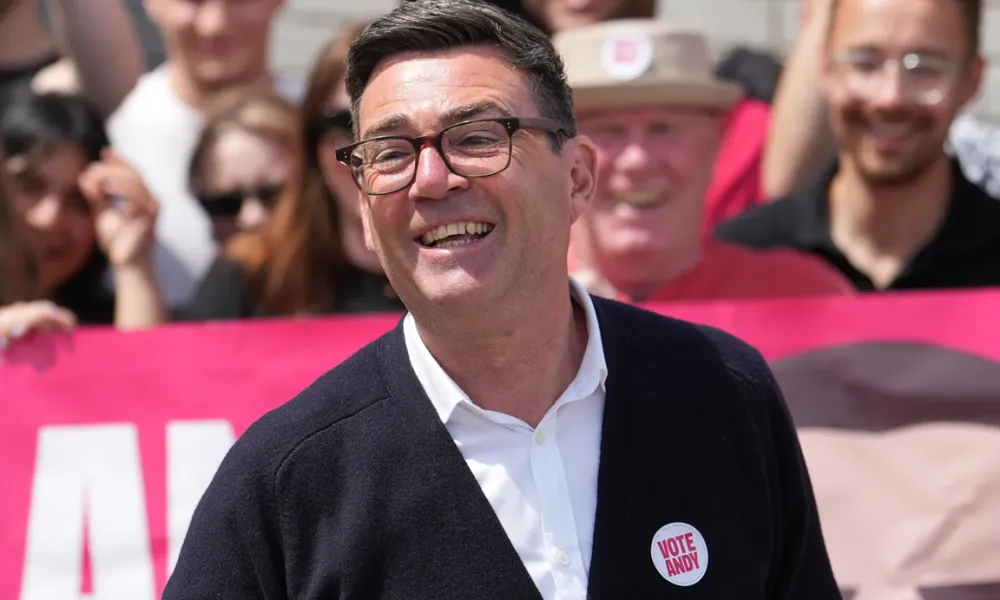



Andy Burnham, nicknamed the "King of the North," was elected leader of Britain's governing Labour Party on Friday, the final step before becoming the country's seventh prime minister in a decade. Burnham, the former mayor of Greater Manchester, ran unopposed after securing nominations from 379 of Labour's 403 MPs, and takes office on Monday on a pledge to counter the rise of the populist Reform UK.
Speaking at a special party conference on Friday, Burnham said he was ready for power and would work to bring hope to people in "forgotten places everywhere." The 56-year-old, who earned his nickname through his determination as Greater Manchester mayor to defend the region's interests, warned that this was Labour's last chance to turn its fortunes around, and promised to spread power away from Westminster to the country's regions while leading a united team to deliver the change he said Britain was demanding. "We put the power that comes from that unity at the service of people and places who have been waiting too long," he told a room of Labour MPs and party officials. He also paid tribute to Keir Starmer, the outgoing prime minister he will replace on Monday, when the party is expected to learn more about his cabinet and his approach to government.
A 'rebalancing of power'
Despite his repeated pledge to devolve power to the regions and to take a pro-business stance, much remains unknown about Burnham's policy priorities. He said he had not yet settled on his top team of ministers, but promised it would reflect all parts of the party and the country, and set out five priorities focused largely on party unity and representing all of Britain. His message on Friday, delivered after an unopposed contest, added little to the single speech he had given since returning to parliament last month after winning the Makerfield seat, in which he had outlined plans for what he called the "biggest rebalancing of power" toward Britain's regions, a shift he argues would reduce inequality and the resentment felt by neglected communities increasingly drawn to Reform and, in some cases, the left-wing Green Party.
On Friday, he said Labour would confront the threat from both parties not by trying to "out-Green the Greens or out-Reform Reform," but by being "boldly, confidently, authentically" Labour.
Countering Farage
Burnham's pledge to have a plan against Reform's rise had won over Labour MPs, many of whom feared losing their seats to veteran Brexit campaigner Nigel Farage's party at the next general election, due by 2029. Reform has led opinion polls for months, though some of that advantage has recently been dented by revelations over Farage's acceptance of funds from wealthy donors, potentially giving Burnham an opening to revive Labour's standing.
The new Labour leader will still need to begin implementing his pledges quickly, many of which rest on longer-term thinking. Paul Nowak, general secretary of the TUC, Britain's umbrella trade union body, said Burnham's government needed to "hit the ground running" and focus on improving living standards for working people. Burnham pledged to move fast, telling the conference that his government would lay out its path "starting next week," calling the change "the most significant change moment in our politics for 40 years."
Source: Reuters