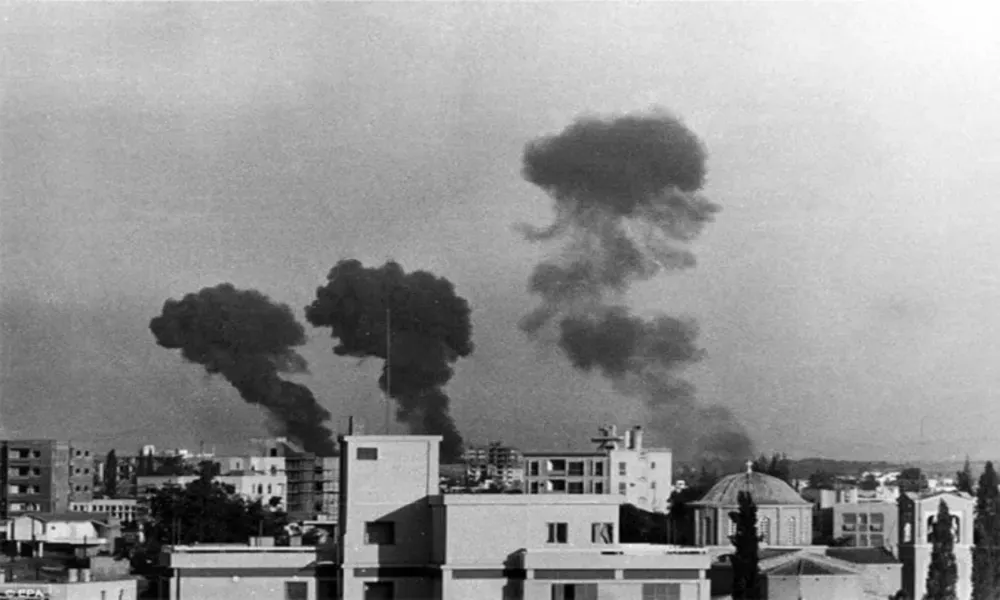

Fifty-two years after the Turkish invasion of 1974, the collective memory of the tragedy remains a defining element of Cypriot society. Yet as the number of people who directly experienced those events continues to diminish, memory is gradually shifting from lived experience to historical narrative.
Through the views of experts from the fields of education, politics, psychology and sociology, CNA explored how Cypriot society remembers, transmits and reinterprets the collective memory of the events of 1974, and how that history is taught in schools today.
Classrooms are now filled with children born almost half a century after the events of 1974. For most, the invasion, displacement and missing persons are chapters in history. For thousands of other Cypriots, however, they remain deeply personal memories that continue to shape their lives.
Sophia Ioannou: ‘Know, Do Not Forget, Claim’
Sophia Ioannou, Chief Education Officer and Inspector General of Primary Education, said public schools place particular emphasis on the longstanding educational framework:
"Know, Do Not Forget, Claim."
The approach is taught across different subjects and incorporated into commemorative activities, school events, music, dance, history, geography and religious education.
“Our emphasis is for children to know, love and claim,” she said. “The occupied part of our homeland must come alive in their eyes through programmes, activities and education. They need to know these places, love them, feel that they are ours, and seek the return, liberation and reunification of our homeland.”
Ioannou warned that without such actions there is a risk that memory will fade and occupied communities will be forgotten.
Anna Koukkidi-Prokopiou: Unhealed Wounds
Anna Koukkidi-Prokopiou, President of the POLITEIA Centre for Sociopolitical Studies and former justice minister, argued that many aspects of the trauma of 1974 remain largely unaddressed.
She pointed specifically to sexual violence during the conflict, saying it was never openly discussed.
“We hid many things under the carpet as a society,” she said. “That is a problem.”
She also highlighted the intergenerational transmission of trauma through families of missing persons, survivors of violence and displaced communities.
According to Koukkidi-Prokopiou, Cyprus also failed to adequately address the psychological impact on soldiers who experienced war and continue to suffer from post-traumatic stress.
“Did anyone provide them with psychological support?” she asked.
She further argued that Cypriot society has not sufficiently implemented obligations under UN Security Council Resolution 2467, which addresses conflict-related sexual violence.
Nikos Peristianis: Memory Shapes Society
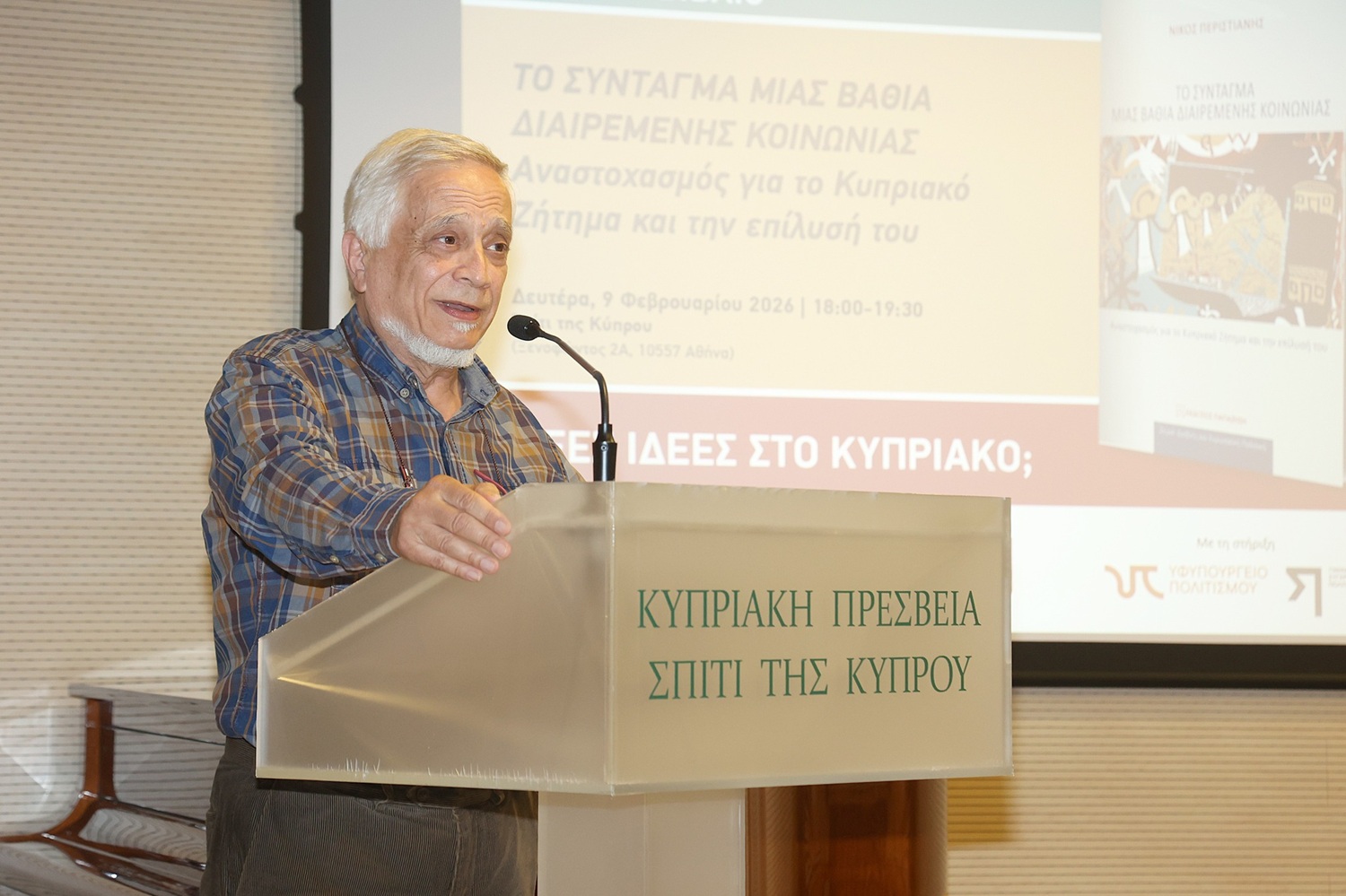
Sociologist Nikos Peristianis described collective memory as one of the fundamental elements that define a society.
For many Greek Cypriots, he said, 1974 represents the most significant dividing line in modern Cypriot history, separating the period before and after the invasion.
The annual commemorations serve several functions:
- Honouring victims
- Preserving historical knowledge
- Strengthening collective identity
- Helping prevent similar tragedies in the future
At the same time, he warned that memory can become problematic if presented exclusively through a single perspective or used for political confrontation.
“When combined with historical documentation, critical thinking and recognition of the experiences of all those affected, it can become a bridge for dialogue and peaceful coexistence,” he said.
Peristianis also noted that while Greek Cypriot collective memory succeeds in preserving the events of 1974 and honouring the victims, it has been less successful in promoting reconciliation and self-critical reflection.
Charis Psaltis: Memory and Healing Are Not Opposites
Dr Charis Psaltis, Professor of Social and Developmental Psychology at the University of Cyprus, said trauma is not transmitted automatically across generations.
What often passes from one generation to the next, he explained, are the consequences of traumatic experience:
- Fear
- Insecurity
- Distrust
- Silence
- Anger
- Particular ways of narrating history
At the same time, memory can also transmit resilience, solidarity and a commitment to peace.
“Memory and healing are not opposing concepts,” he said.
“A society does not heal by forgetting, but neither does it heal by endlessly repeating pain without processing it.”
Psaltis stressed the need for recognition of all victims, including displaced persons, missing persons, survivors of sexual violence and families affected by loss.
He distinguished between memory and attachment to trauma.
“Memory is the effort to understand and acknowledge the past,” he said. “Attachment to trauma occurs when the traumatic experience becomes the dominant lens through which we interpret the present and the future.”
According to Psaltis, history education should help young people study multiple perspectives, understand events such as the coup, invasion and intercommunal violence, and develop historical consciousness without inheriting hostility.
“Resilience does not mean forgetting 1974,” he said. “It means remembering without being paralysed, seeking justice without passing on hatred, and using knowledge of the past to build a safer future.”
Myria Vassiliou: Schools Keep Memory Alive
Myria Vassiliou, president of the Cyprus Primary Teachers' Organisation (POED), said the memory of 1974 remains alive because its consequences are still present in Cypriot society.
“Fifty-two years later, memory is not simply a reference to the past,” she said. “It is part of our historical consciousness, our identity and our responsibility towards younger generations.”
Vassiliou recalled the sacrifices made by teachers during and after the invasion and described the role educators played in maintaining public education under extremely difficult conditions in refugee camps and temporary settlements.
Today, she said, schools continue to play a critical role in preserving collective memory through the teaching of history, critical thinking, democratic values, peace, freedom and respect for human rights.
Activities include:
- Visits to memorial sites
- Meetings with writers and artists from occupied communities
- Study of literature on displacement
- Research on monuments and cultural heritage in occupied areas
- School museums and photo collections
- Theatre performances and educational projects
“These actions are necessary,” she said. “Otherwise, there is a real danger that memory will weaken and our places will be forgotten.”
Conclusion
As the generation that directly experienced 1974 gradually passes from the scene, the challenge is no longer simply preserving memory but determining how it is transmitted to future generations. Between historical knowledge, lived experience and collective identity, the memory of 1974 remains a central reference point in Cypriot society, reminding us that understanding the past remains essential for dialogue, historical awareness and shaping the future.
Source: CNA