
The Board of Peace technocrats – who met in Cyprus on Tuesday and Wednesday to discuss next steps in implementing US President Donald Trump’s 20-point peace plan for Gaza – described their meetings in Cyprus as “highly productive” and focused on relieving the suffering of the people of Gaza.
Relieve suffering
In a social media post on Wednesday evening, the National Committee for the Administration of Gaza (NCAG) said that a series of working meetings were held in Cyprus with experts and advisers of the Board of Peace, the Office of the High Representative for Gaza, and the Tony Blair Institute for Global Change.
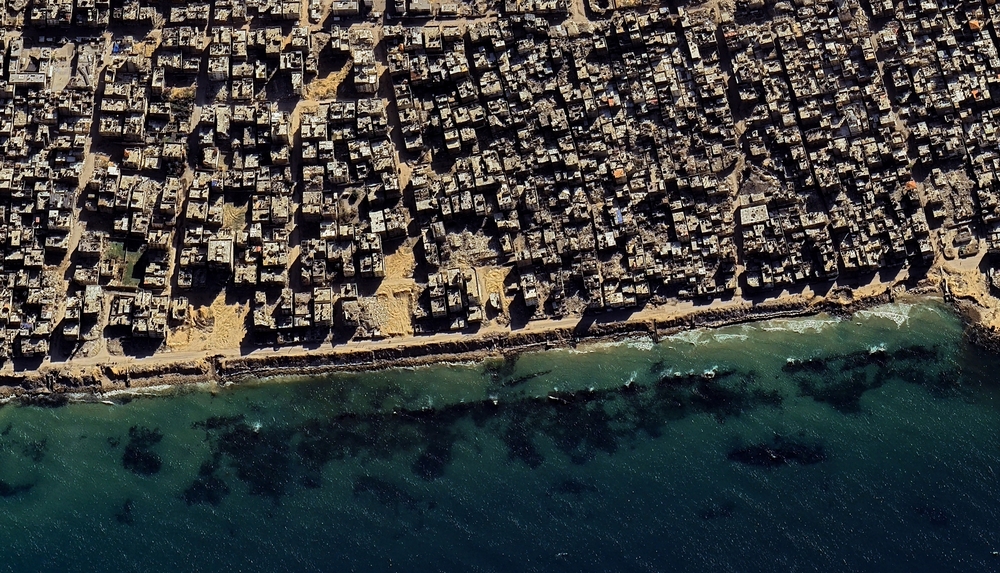
Gaza shoreline. Credit: Shutterstock
According to the NCAG post, “The meetings were highly productive and focused on the next stage of our efforts to relieve the suffering of the Palestinian people in Gaza.”
Funding transparency
The technocratic committee added: “We concentrated on what can be done immediately, including initiatives and projects to ease conditions on the ground. We reviewed plans for reconstruction, security, and governance, and we finalised the institutional arrangements that will ensure the transparency and accountability required by international donors.”
Diplomatic sources previously told Politis that beyond the volatile situation on the ground and pressing political issues, funding remains a key concern for implementation as many countries that pledged billions in February have yet to meet those commitments.
Board of Peace organs
The Board of Peace’s NCAG – comprising Palestinian technocrats – has been given the responsibility for day-to-day governance in Gaza during a transitional phase, while the Office of the High Representative, led by Nickolay Mladenov, will be the on-the-ground link between the Board of Peace and the technocratic committee. Both the NCAG and High Representative’s Office are organs of the Board of Peace.
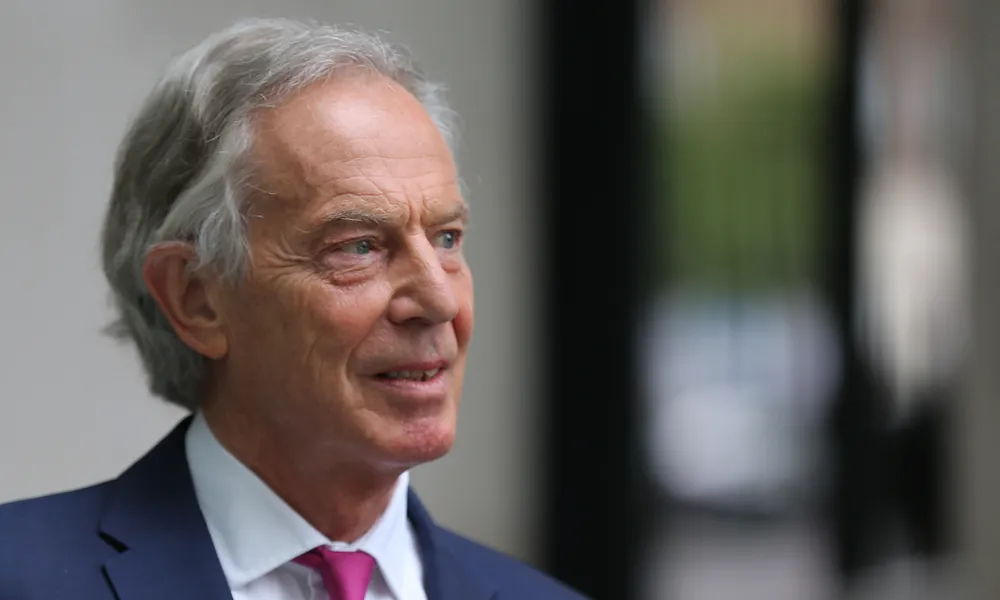
Tony Blair – who is both a member of the Board of Peace’s Executive Board and Gaza Executive Board – was in Cyprus for the meetings. Turkish Foreign Minister Hakan Fidan, Steve Witkoff, Jared Kushner and real estate investor Yakir Gabay are also members of the Gaza Executive Board though it is not clear who else participated from that body. The Turkish Foreigin Ministry made it clear in advance that no Turkish representative would attend the Cyprus meetings, clarifying that this was not an official session of the Board of Peace but a technical one focused on internal coordination.
In its post, the NCAG said it remained committed to take “all the necessary steps […] to assume its responsibilities once the right conditions are met”.
The Cyprus meetings build on a workshop held in Cairo last week on 23-24 June, and together are part of a broader process “to ensure we have every tool necessary to serve the Palestinian people of Gaza,” said the NCAG.
Over the past two days, the National Committee for the Administration of Gaza (NCAG) held a series of working meetings in Cyprus with experts and advisers of the @BoardOfPeace, the Office of the High Representative for Gaza, and the Tony Blair Institute.
The meetings were highly…
— اللجنة الوطنية لإدارة غزة - NCAG (@NCAG) July 1, 2026
Prospects of progress
It remains to be seen when the NCAG can take on its responsibilities on the ground, given that Israel would need to step back from its creeping control over the Gaza Strip while Hamas would have to disarm.
The International Stabilisation Force (ISF) is also key to implementation of plans for Gaza – with Kosovo, Kazakhstan, Morocco, Indonesia, and Albania named as contributing countries. But no sizeable force has been assembled yet while the prospect of boots on the ground remains distant for now.
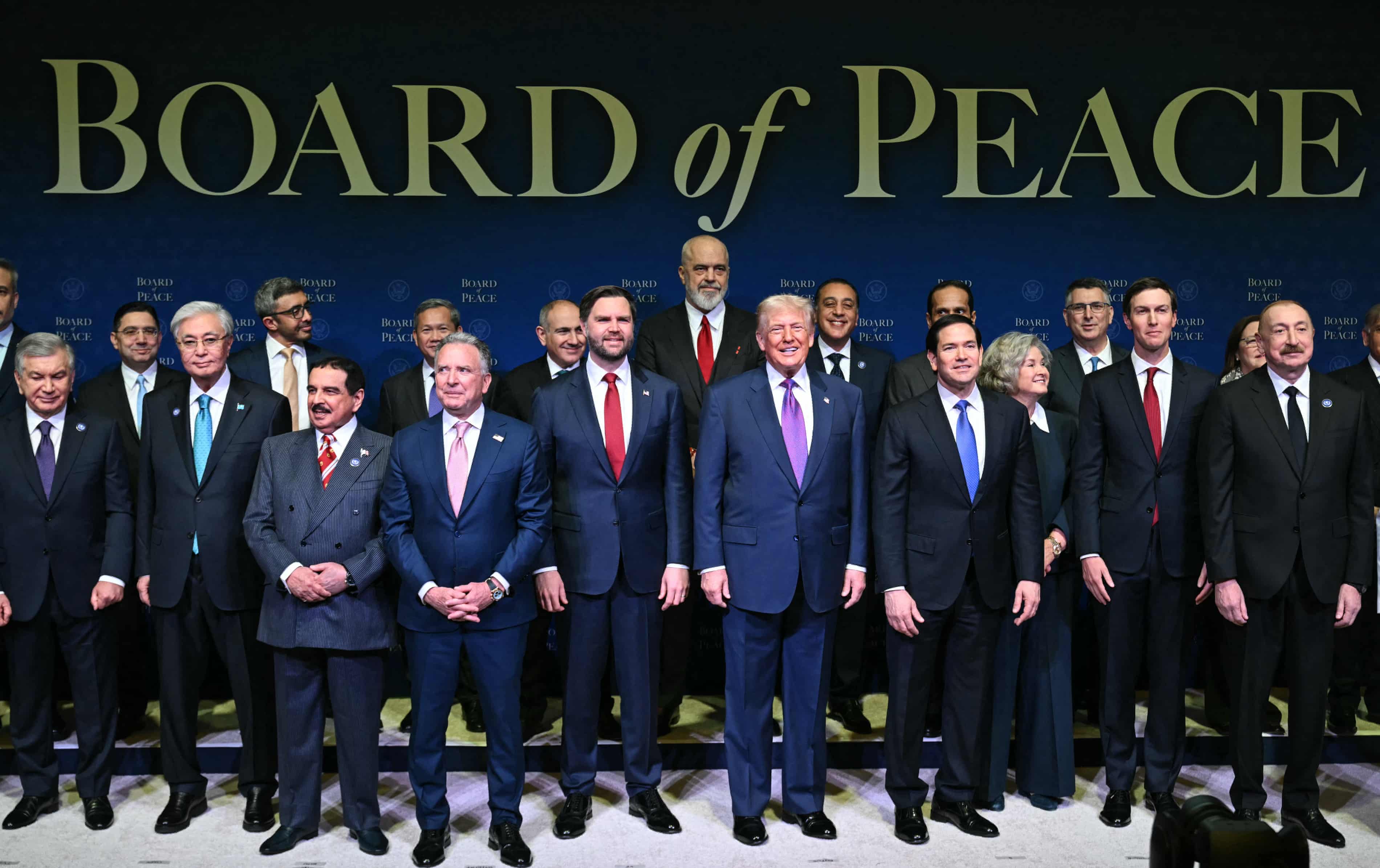
The Board of Peace was established to implement plans for peace, stability and reconstruction in Gaza, as mandated by UN Security Council Resolution 2803.
‘Sweeping immunity’
Another potential Gordian Knot to untie is the legal framework – beyond the foundational UN mandate – in which implementation actors operate in Gaza. The Guardian recently published a leaked draft resolution showing Trump’s Board of Peace is considering broad legal immunity for its members, affiliated officials, international forces and contractors working in the territory.
The proposal would shield them from arrest and legal proceedings in Gaza and allow the board to use public property there “free of charge”. Legal experts warn the measures could undermine accountability and create a parallel legal system. The Board of Peace described the report as misleading and denied any plan to establish impunity or exempt personnel from applicable laws.
Reporting on the leak, Al Jazeera quoted Mohanad Mustafa, an expert in Israeli affairs, warning that if the document is authentic, it effectively transforms the Board of Peace into a “colonial occupation authority” rather than an administration meant for rescue and reconstruction.
“This means that any legal violations, criminal acts, or financial corruption committed by Board of Peace members would be completely shielded by legal immunity,” he told Al Jazeera.