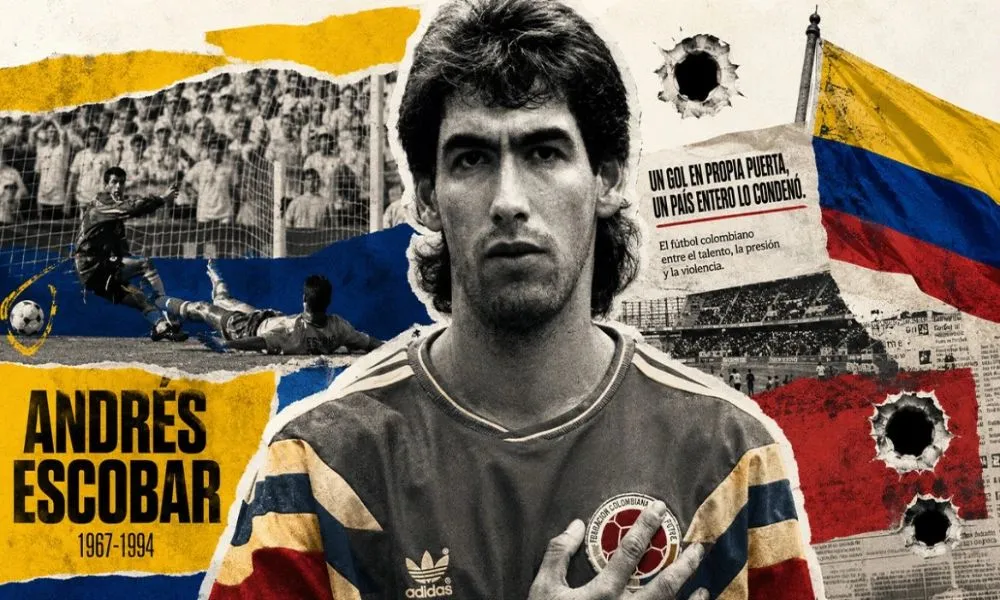

The murder of Colombia international Andrés Escobar on July 2, 1994, remains one of the most shocking and tragic stories ever associated with the World Cup.
Many Colombians had pinned their hopes on a national team regarded as one of the strongest in the tournament. Others, including powerful criminal figures and wealthy bettors, had reportedly staked large sums of money on the team's success.
When Colombia crashed out of the competition, attention quickly turned to one moment: Escobar's unfortunate own goal against the United States.
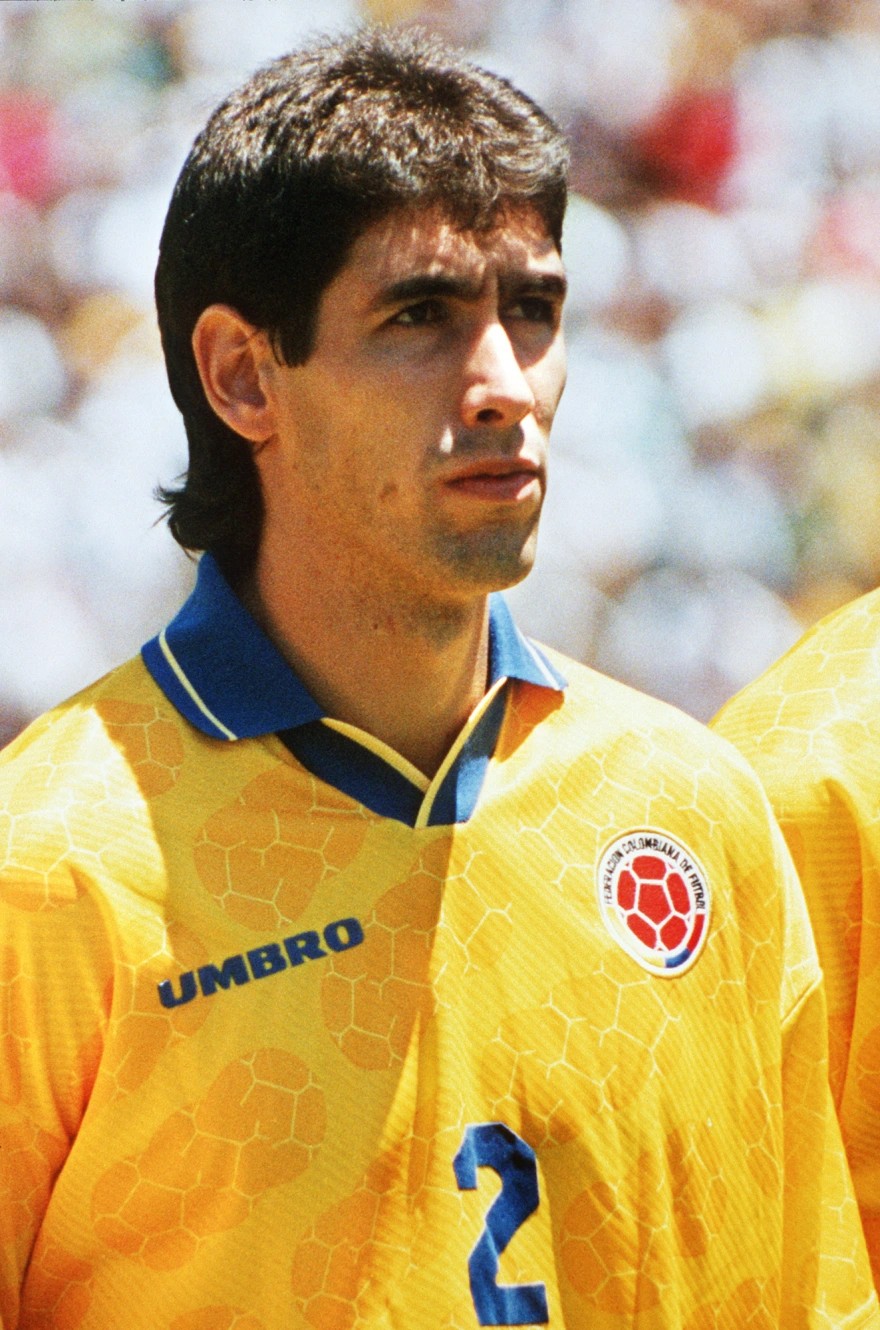
For some, it became a symbol of the country's failure. For Escobar, it would have fatal consequences.
Colombia's golden generation
Heading into the 1994 World Cup in the United States, Colombia was considered one of football's rising powers.
The team had stunned Argentina 5-0 in Buenos Aires during qualification and arrived at the tournament surrounded by expectations of a deep run.
At home, where drug-related violence and political instability dominated daily life, the national team offered a rare source of pride and hope.
Escobar, a 27-year-old defender with Atlético Nacional, was one of the team's leaders. Known for his calm demeanour, sportsmanship and professionalism, he had earned the nickname El Caballero del Fútbol – "The Gentleman of Football."
Widely respected by teammates and opponents alike, he embodied the values many Colombians wanted their national team to represent.
The own goal
After losing their opening match to Romania, Colombia needed a victory against the host nation on June 22, 1994.
With the score level, a cross was delivered into the Colombian penalty area. Attempting to intercept it, Escobar inadvertently redirected the ball into his own net.
The own goal changed the course of the match.
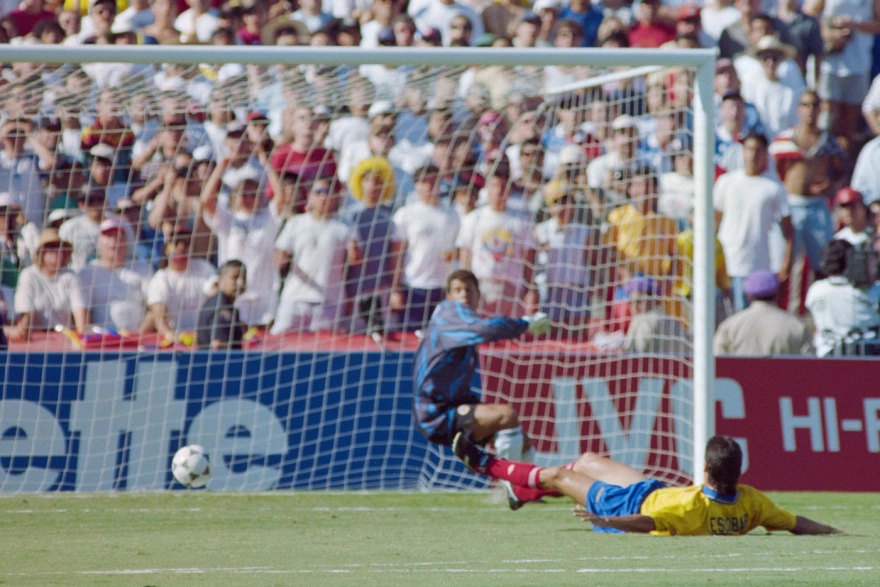
The United States went on to score again and eventually secured a 2-1 victory, leaving Colombia on the brink of elimination.
The defeat effectively ended the team's hopes of reaching the knockout stages and triggered widespread disappointment across the country.
“Life doesn't end here”
Following Colombia's exit, Escobar chose not to hide from criticism.
Instead, he wrote an article for the newspaper El Tiempo, urging calm and perspective.
His message was simple and memorable:
“Life doesn't end here.”
He argued that a football tournament should not define anyone's life and called on Colombians to look forward rather than dwell on the disappointment.
Tragically, he had no idea how prophetic those words would become.
The final night
In the early hours of July 2, 1994, Escobar went out with friends in the Medellín district of El Poblado.
After leaving a nightclub shortly after 3 a.m., he walked to the parking area where an argument broke out between him and a group of men reportedly discussing Colombia's World Cup elimination.
Moments later, shots were fired.
Escobar was struck multiple times and collapsed in the parking lot.
Despite being rushed to hospital, he died less than an hour later.
The killing was widely linked to individuals connected to powerful criminal networks and illegal gambling interests that had allegedly lost substantial sums following Colombia's elimination.
A nation in mourning
The murder sent shockwaves throughout Colombia and the wider football world.
More than 100,000 people attended Escobar's funeral, paying tribute to a player remembered not for a single mistake on the pitch, but for his integrity, character and professionalism.
More than three decades later, Andrés Escobar remains one of football's most tragic figures, a symbol of how sport became entangled with violence during one of the darkest periods in Colombia's history.