
Kitchen appliances are among the biggest contributors to household electricity consumption because they are used daily and often for extended periods.
Ovens
Electric ovens rank among the most energy-hungry appliances in the kitchen, particularly when they are frequently preheated or used for long cooking sessions.
Practical tips
- Avoid preheating when it is not necessary.
- Use the convection setting for faster, more even cooking.
- Cook multiple dishes at once whenever possible.
- Avoid repeatedly opening the oven door, as heat escapes and increases energy consumption.
Hobs and cooktops
Electric and induction cooktops consume significant amounts of energy while in use. Older electric models tend to be less efficient, while induction hobs generally perform better.
Practical tips
- Match pan size to the cooking zone.
- Use lids to reduce cooking times.
- Turn the heat off a few minutes early and allow residual heat to finish cooking.
Refrigerators
Although refrigerators do not consume large amounts of power at any given moment, they run continuously and are among the biggest long-term users of electricity in the home.
Practical tips
- Never place hot food directly inside.
- Maintain temperatures of around 4°C in the fridge and -18°C in the freezer.
- Minimise the time the door remains open.
- Check door seals regularly to ensure they remain airtight.
Dishwashers
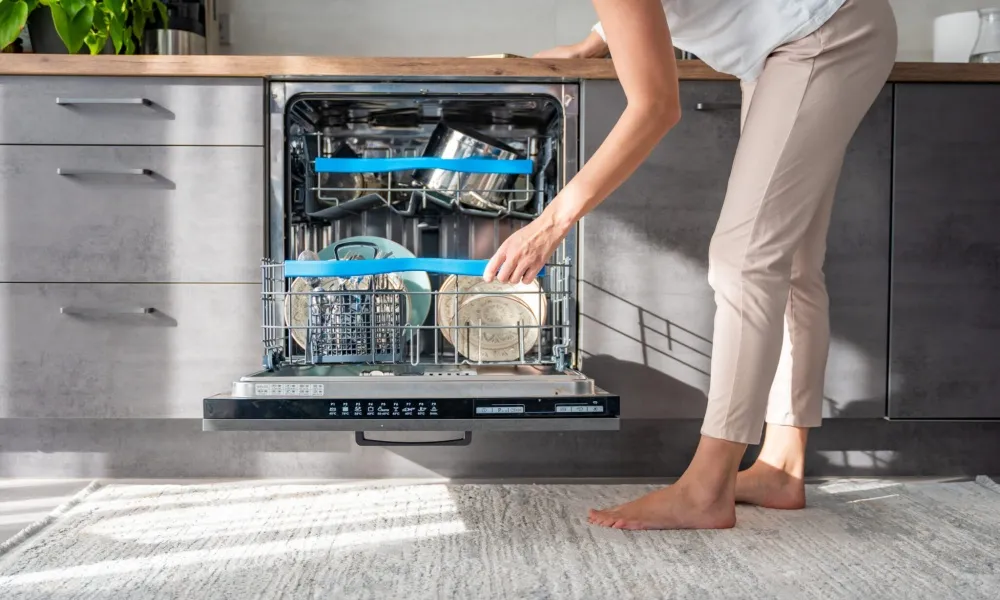
Dishwashers can help save water but still require considerable energy, particularly for heating water.
Practical tips
- Run the dishwasher only when it is full.
- Use eco programmes whenever available.
- Avoid unnecessary pre-rinsing with hot water.
Small appliances
Microwaves, kettles, toasters and sandwich presses use less power individually but can still contribute to overall electricity costs through frequent use.
Practical tips
- A kettle is generally more efficient than heating water on the hob.
- Microwaves typically consume less energy than ovens when heating small portions.
- Unplug appliances when they are not in use to avoid standby power consumption.
The bottom line
The biggest kitchen energy savings do not necessarily come from replacing appliances. More often, they come from using existing appliances more efficiently.
Small changes in everyday habits can significantly reduce electricity consumption, lower costs and help create a more sustainable household.
Source: Cantina