The return to Cyprus of UN envoy María Ángela Holguín has brought renewed attention to discussions about the future of the Cyprus issue.
Beyond diplomatic manoeuvring and political statements, however, there is also the perspective of people who live daily with the consequences of the island’s long-standing division.
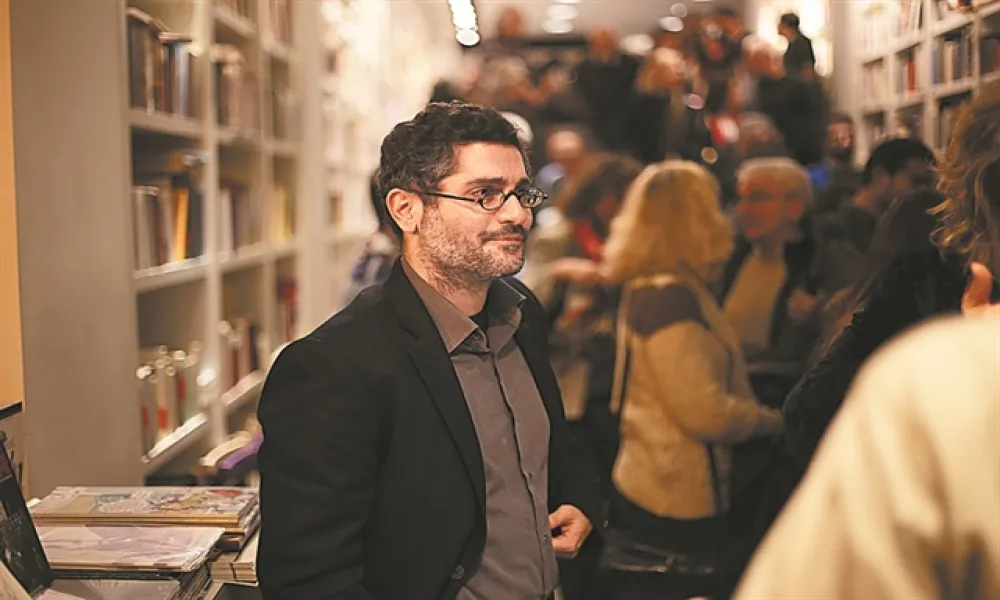
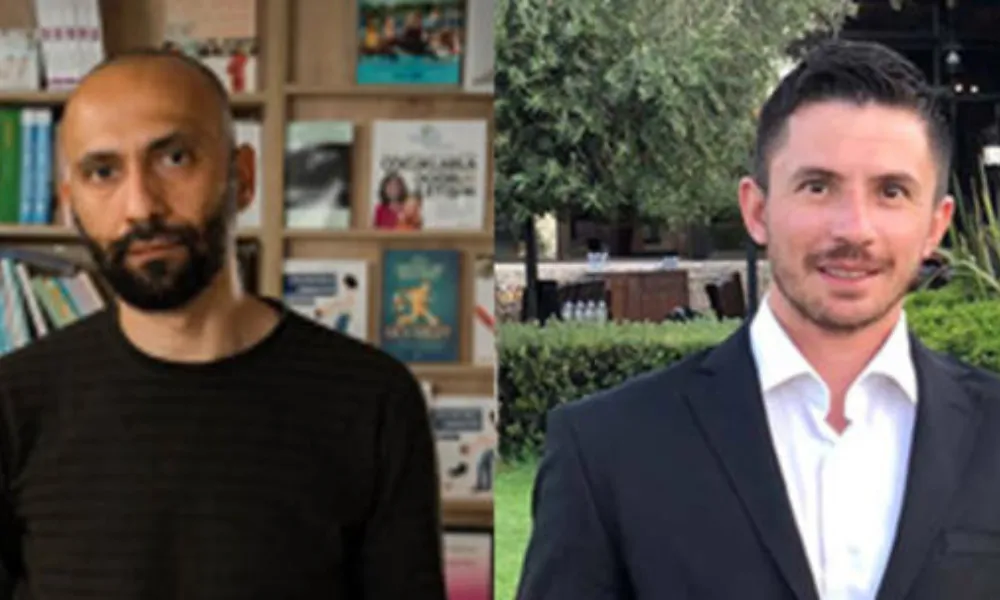
Two Turkish Cypriot commentators shared their views with Politis, reflecting on the present and future of the Cyprus problem, their expectations for developments in negotiations, their assessment of Tufan Erhürman’s political stance, and the key challenges facing the Turkish Cypriot community.
Isolation and expectations
For Hamit Sakali, a secondary education teacher, translator and television sports presenter, the Cyprus problem is not merely an unresolved political dispute but a reality that directly shapes everyday life.
He says isolation from the international community remains a defining feature of life for Turkish Cypriots, adding that even Greek Cypriots are unable to fully benefit from the island’s potential under the current status quo. In his view, the continuation of the dispute results in economic losses and a broader deterioration in quality of life across Cyprus.
Sakali argues that the Cyprus issue has become increasingly complex over time, making a solution more difficult to achieve. He therefore calls for an immediate resumption of efforts to restart negotiations from where they collapsed in Crans-Montana in 2017.
Despite the challenges, he expresses optimism about the future and welcomes what he describes as Tufan Erhürman’s approach to the Cyprus issue. He says he is aware of the Turkish Cypriot community’s desire for a settlement and believes the new leadership has handled the issue in a way he broadly supports.
Cautious optimism
Academic Hakan Karahasan, a lecturer at ARUCAD University in Kyrenia and author of studies on Turkish Cypriot daily life after 2003, describes the current state of the Cyprus problem as “frozen”.
While he acknowledges signs that recent developments could lead to renewed diplomatic activity, he says he does not expect major breakthroughs following the failure of talks in Crans-Montana.
He notes that daily life for Turkish Cypriots remains complex. While the opening of crossing points and increased interaction between the two communities have brought changes, many aspects of life remain largely unchanged, underlining the limits of progress over recent years.
On Holguín’s visit, Karahasan is cautious, saying he does not have high expectations. However, he adds that any effort contributing to the resumption of talks would be significant, particularly given wider regional instability and geopolitical tensions.
Commenting on President Nikos Christodoulides’ remarks about possible positive developments, he describes himself as “cautiously optimistic”, echoing a phrase commonly used during the Crans-Montana negotiations.
He also notes the symbolic importance of Erhürman’s election, which he says signalled continued support among Turkish Cypriots for a bizonal, bicommunal federation. However, he stresses that the scope of the Turkish Cypriot leadership’s authority remains limited within the political system in the north, where executive power is constrained by parliamentary structures.