
The Republic of Cyprus is seeking safeguards from the United Kingdom to prevent the unilateral use of British sovereign base areas on the island for military strikes, amid concerns over how a future UK government could act, Politico reports.
According to the report, Cypriot officials intend to raise the issue with London after the current Iran conflict subsides, aiming to secure guarantees that the bases at Akrotiri and Dhekelia will not be used offensively without prior agreement.
The move follows March decisions by UK Prime Minister Keir Starmer, who declined to allow US offensive strikes on Iran from Cyprus but later permitted use of the bases for the “specific and limited defensive purpose” of countering Iranian attacks.
Nicosia’s unease
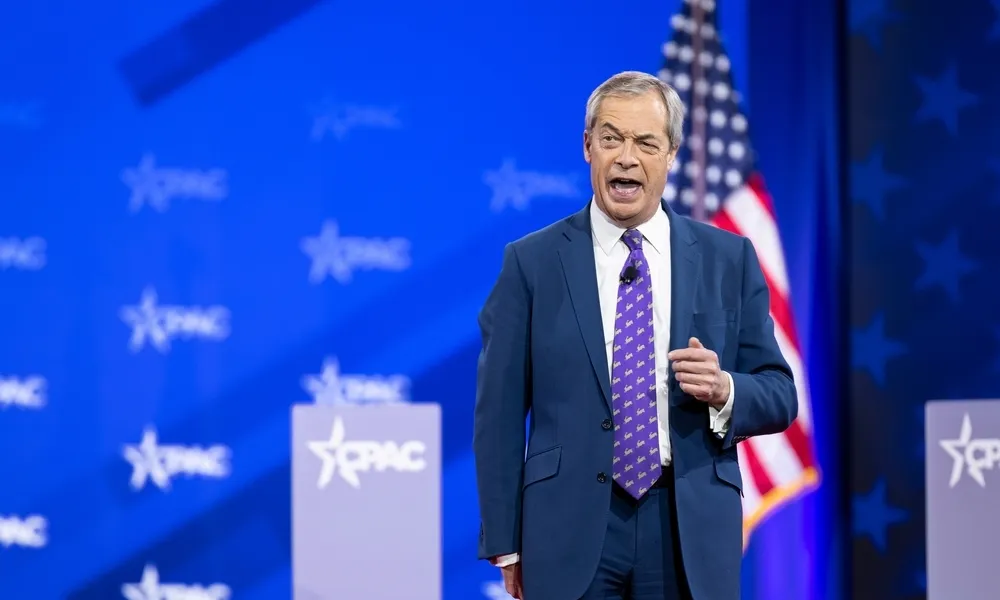
Both British and Cypriot officials told Politico there is unease in Nicosia over how a future UK government might interpret that role — particularly if led by Reform UK’s Nigel Farage, a Donald Trump ally whose party is currently leading in opinion polls.
A senior Cypriot diplomatic source said the government welcomed Starmer’s initial stance but wants concrete guarantees going forward, especially given Farage’s shifting public position on military engagement in Iran. No details were provided on how such guarantees might be secured in practice.
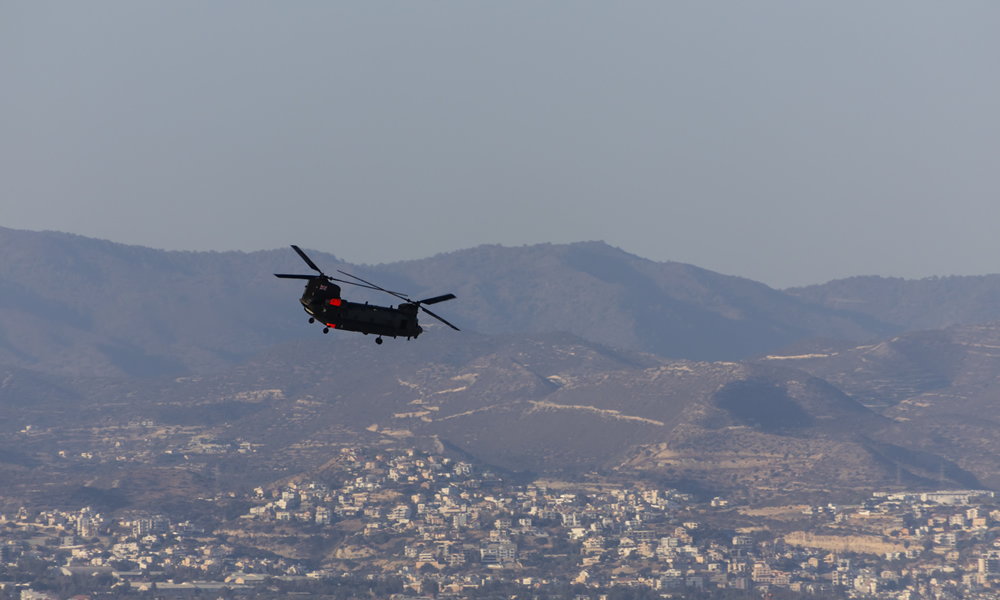
The issue of the British bases — which remained under UK sovereignty after Cyprus gained independence in 1960 — has long been sensitive, and tensions intensified after an Iranian drone struck RAF Akrotiri on March 2, in the early phase of the US‑Israeli campaign against Iran.
Poor communication
Nicosia criticised what it viewed as inadequate communication from London regarding the incident, including uncertainty over whether the base had been involved in defensive operations and the lack of advance warning to nearby communities, reports Politico.
President Nikos Christodoulides subsequently called for discussions on the future of what he described as “colonial” bases, while Cypriot diplomats expressed “disappointment” over limited information‑sharing.
The matter has also been raised at EU level. In March, the European Council stated it “acknowledges the intention of Cyprus to initiate a discussion with the UK on the UK bases in Cyprus and stands ready to provide assistance as needed.”
Control over bases
Legal experts say the Iran episode could reopen longstanding disagreements over the scope of UK authority. Marc Weller, director of the international law programme at Chatham House, said: “Cyprus argues that the U.K. only retained more limited authority relating to defence. While the U.K. view [of full sovereignty] is legally correct, the Iran episode will offer an opportunity for Cyprus to reignite this debate."
Concerns in Nicosia have been heightened by Farage’s comments on the use of overseas bases. He initially supported their use for strikes against Iran, but later said: “If we can’t even defend Cyprus, let’s not get ourselves involved in another foreign war.”
Despite this, Reform UK maintains that Britain must retain full control. “Reform UK supports the continued strategic importance of the British bases in Cyprus and Britain’s sovereign right to decide how they are used,” a party spokesperson said.
Not up for debate
The UK government has indicated willingness to discuss security cooperation but has ruled out any renegotiation of sovereignty. One official stressed that the legal status of the bases “is not up for debate,” adding, “It’s grounded in some fundamentals of international law which, if you start to unpick it, it becomes quite messy quite quickly.”
The official noted: “It's understandable that allies are concerned about the U.K.'s reliability should Farage become prime minister."
A UK government figure involved in discussions was more explicit. He told Politico that the bases are covered by a complex patchwork of treaties, which means their sovereignty and future use is not up for discussion.
“We have to be able to use our bases unfettered.”
At the same time, London has moved to strengthen security on the island. A Ministry of Defence spokesperson said: “We have deployed additional defensive capabilities to Cyprus since January, including radar systems, counter-drone systems and fast jets," adding that deployments were further reinforced after the escalation with Iran.
Talks between Cyprus and the UK are expected to continue, with the focus likely to centre on coordination and risk management, rather than sovereignty – an issue London insists remains closed.