
The rising cost of living appears to have reached even the illegal songbird trade, with those who continue to indulge in the banned delicacy now paying significantly more than in previous years.
According to information obtained by Politis, a dozen illegally trapped songbirds now sells for as much as €150, equivalent to €12.50 per bird.
The increase is particularly striking when compared with previous years. In 2017, a dozen birds typically sold for between €50 and €80, while some cases saw them served for around €100 a dozen. Today, prices have nearly tripled compared with the lower end of that range and can reach €150.
A habit that persists
Despite the ban and repeated awareness campaigns aimed at protecting migratory birds, songbirds continue to occupy a prominent place in the culinary preferences of many Cypriots.
Their consumption is rooted in long-standing tradition and continues despite the fact that both trapping and trading the birds are prohibited under the law.
Distribution takes place through black-market networks, while the relevant authorities continue conducting inspections aimed at detecting and confiscating trapping equipment and combating illegal trade.
The autumn season remains the focus of enforcement operations, as it coincides with the migration of large numbers of birds through Cyprus.
Different categories, different prices
The classification of songbirds plays an important role in determining prices, with size and weight serving as key factors.
Larger and fatter birds are considered more desirable and command higher prices, while smaller birds fall into lower-value categories.
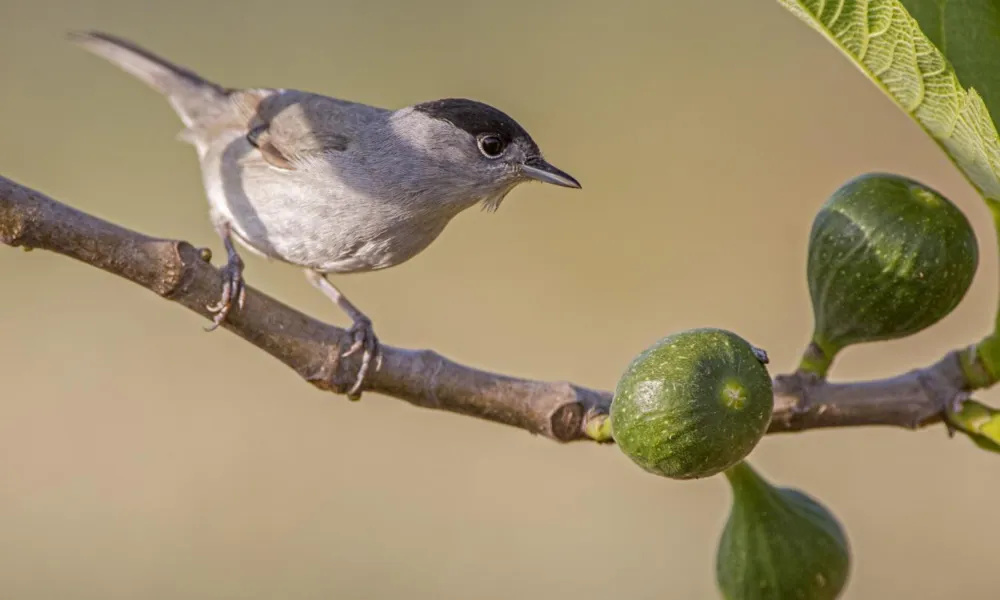
Differences also exist between the various species of small birds that end up caught in traps. The blackcap holds a particularly prominent place in Cyprus' traditional gastronomy.
The method of preparation can also have a significant effect on the final price.
A multi-million-euro trade
Behind this illegal culinary practice lies a business with considerable financial value.
According to figures presented to parliament last September, the annual turnover generated by illegal bird trapping in Cyprus is estimated to exceed €10 million.
Data from BirdLife Cyprus also illustrate the scale of the phenomenon. The organisation estimated that approximately 726,000 birds were trapped and killed during autumn 2025 within the areas covered by its survey.
The figure highlights the extent to which the trapping of protected bird species continues despite enforcement efforts and the penalties provided for under legislation.
With a dozen birds now costing as much as an expensive restaurant meal, songbirds have become an even more costly illicit delicacy.
While the price may have changed, one fact has not: their trade remains illegal, and the authorities continue to confront an activity that generates millions of euros every year.