
The shooting in Limassol, in which a police officer used his service weapon to shoot his wife, has brought renewed attention to another serious issue: the absence of any psychometric testing for police officers who carry firearms once they have joined the force.
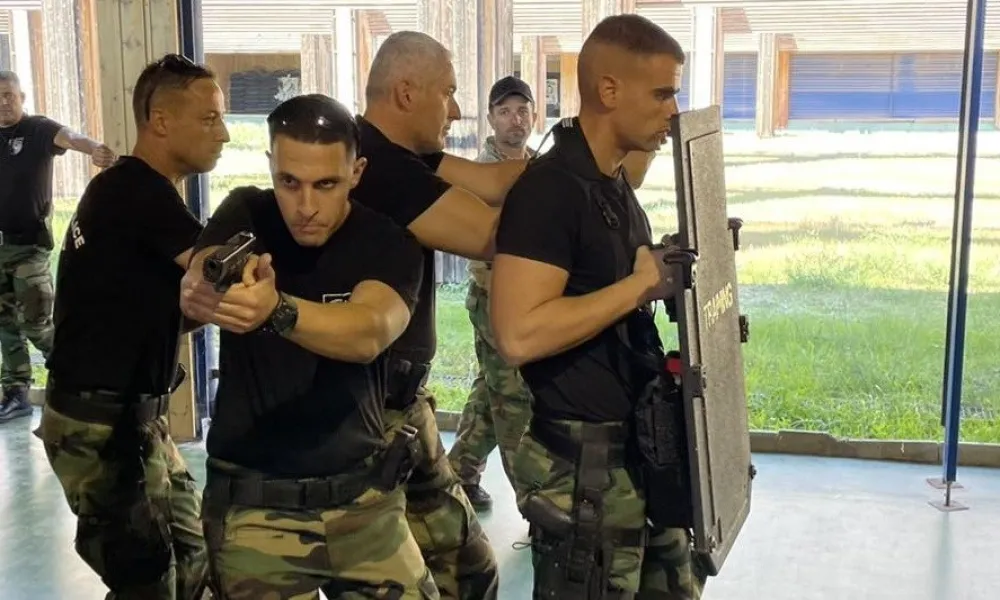
In practice, police officers required to carry weapons do not undergo psychometric assessments during their careers. The process governing the issuance of firearms is based exclusively on a competency certificate issued by the commander of the Emergency Response Unit (MMAD). Every police officer must hold this certificate before being issued a service weapon.
However, no psychometric examination is required for the issuance of that certificate either.
The certification process is limited to assessing whether officers possess the knowledge and skills necessary to use a firearm, whether in training exercises, live-fire practice or operational circumstances.
In the case of the 55-year-old officer involved in the Limassol incident, Politis understands that he joined the police force in 1994, giving him 32 years of service. He was therefore considered a highly experienced member of the force, suggesting that the causes behind the tragedy may need to be explored beyond questions of weapons competency.
According to a police directive issued in September 2024, no officer is permitted to possess or use a service weapon unless they hold a valid certificate of competence for the possession and use of police firearms.
Similarly, officers may not participate in the annual shooting exercises organised by their department, unit, service or district unless they hold a valid certificate.
The directive further states that the basic training programme must be prepared by the commander of the MMAD and approved by the Chief of Police.
Under the 2024 regulations, an officer is considered successful if they achieve a minimum score of 60% in the final assessment.
Reassessment Every Five Years
To retain their certificate, officers must undergo reassessment every five years.
The reassessment lasts one day, with the format determined in advance by the commander of the MMAD. It takes place before the expiry of the certificate and is normally conducted during the officer’s annual shooting qualification exercise.
District police directors and unit commanders are responsible for monitoring which officers require reassessment and informing the MMAD commander accordingly.
Officers who achieve a score of 60% or higher are deemed competent to continue holding the certificate.
The regulations also provide that any officer who fails either the initial certification assessment or the reassessment loses the right to possess a service weapon and must undergo further training and evaluation through the MMAD. If the officer fails again, the process is repeated until they are able to obtain the required certification.
Suspension of Certification
The police directive further provides that where a medical report confirms that an officer is unfit to possess or use a service weapon due to a physical and/or mental illness, the Chief of Police must be immediately informed in order to determine whether the individual also holds permits for other firearms or non-firearms weapons.
If such permits exist, they may be suspended or revoked under the powers granted to the Chief of Police by the Firearms and Non-Firearms Weapons Law.
A competency certificate may also be suspended when:
- The officer fails a reassessment.
- The officer is suspended from duty, unless instructed otherwise by the Chief of Police.
- Following a recommendation by the MMAD commander and approval by the Assistant Chief of Police in cases involving:
- A criminal or disciplinary investigation directly related to the possession, use or storage of weapons.
- A medical finding of physical or mental incapacity to possess or use weapons.
- A justified recommendation from the relevant police director or commander for any other serious reason.