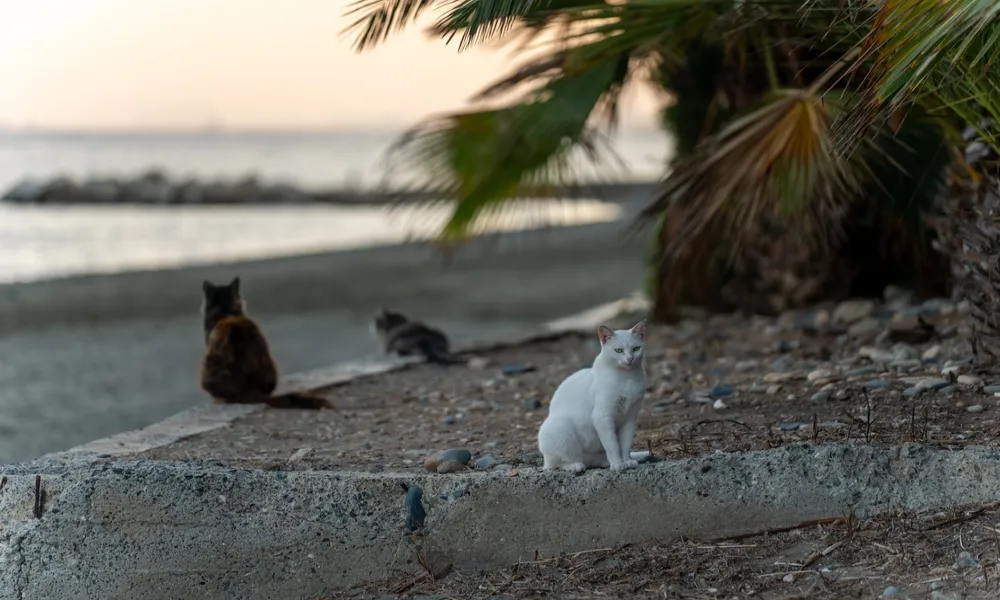
A proposal to microchip stray cats sterilised under Cyprus’ islandwide sterilisation programme has received a positive response from the competent services and animal welfare organisations, according to the Office of the Commissioner for the Environment and Animal Welfare.
The issue was discussed during a coordination meeting convened on Tuesday by Commissioner Antonia Theodosiou, following a letter from the Cyprus Voice for Animals federation.
Representatives of the Veterinary Services, the Ministry of Agriculture, Rural Development and Environment, the Animal Police and animal welfare organisations took part in the meeting.
According to the announcement, discussions focused on the implementation of islandwide sterilisation schemes for stray cats, the difficulties faced by animal welfare groups and volunteers, and the need for closer cooperation between all bodies involved.
The meeting also highlighted the role played by animal welfare organisations and volunteers in the success of Trap-Neuter-Return programmes, known as TNR. Volunteers are heavily involved in trapping, transporting, caring for and returning stray cats to their environment.
Figures presented at the meeting showed that around 2,200 cats are sterilised each year through the Pan-Cyprian Sterilisation Programme.
The Commissioner also briefed participants on proposals included in the Action Plan for the Welfare of Companion Animals, which has already been submitted to the competent ministries. The plan provides, among other measures, for stronger funding of cat sterilisation programmes, the creation of a similar programme for dogs, and the use of modern tools to improve the management of stray animals.
Theodosiou raised concern that cats sterilised under the existing scheme are returned without electronic identification, making it harder to trace them and monitor their management after sterilisation.
According to the announcement, the proposal to introduce microchipping for stray cats sterilised through the islandwide programme, together with the creation of a digital platform to record related actions, was positively received by those present.
The federation expressed support for including microchipping in the programme. The Veterinary Services noted, however, that the issue should also be examined in the context of the new European regulation on owned and stray animals. They also pointed out that adding microchipping to the process could affect the number of sterilisation procedures carried out.
The meeting also discussed the need to establish a formal procedure for recognising and authorising volunteers involved in TNR programmes, in order to support their work and improve cooperation with the relevant services and local authorities.
The federation said it was willing to develop training programmes for volunteers, with the support of the Commissioner’s Office and the involvement of local authorities.
At the end of the meeting, participants agreed to continue coordination and promote the proposals discussed, with the aim of improving the implementation of sterilisation programmes and strengthening the management of stray animals in Cyprus.