
Cyprus is moving in the right direction towards a possible further improvement in its credit rating, but sustained fiscal discipline will be essential, according to Andreas Charalambous, president of the Cyprus Fiscal Council.
Commenting to the Cyprus News Agency on the latest assessment by Morningstar DBRS, Charalambous described the development as “expected”, saying it reflected Cyprus’ positive macroeconomic performance and, in particular, its strong fiscal position.
He said the country’s favourable fiscal position should be viewed as an opportunity to address longstanding structural challenges affecting the economy.
Strong finances offer opportunity for reform
Charalambous said the Fiscal Council’s own report, due to be published in mid-September, would highlight the opportunity created by Cyprus’ current fiscal position to tackle persistent structural problems.
These include issues linked to the structural characteristics of the economy, social inequalities and climate change.
“It gives us an opportunity to address these problems, which have been ongoing, and this is how we should see it,” he said.
Morningstar DBRS recently revised the outlook on Cyprus’ long-term ratings to positive from stable.
Asked whether the move effectively anticipates a future upgrade of Cyprus’ creditworthiness, Charalambous said it indicated that the country was “moving in the right direction”.
“If we continue, we will have this possibility,” he said.
However, he warned that rating agencies remained conscious of Cyprus’ historical fluctuations in fiscal performance.
“Historically, we have had fluctuations. We have not always been consistent in achieving good fiscal performance,” he said, noting that Cyprus had also experienced periods of poor results.
Rating agencies, he added, were waiting to see a longer period of stability and strong performance before potentially awarding even better assessments.
Debt reduction and productivity key to upgrade
According to Morningstar DBRS, factors that could support a future upgrade include a further reduction in the public debt ratio in line with current expectations, evidence of greater economic resilience and higher labour productivity.
Charalambous said improving productivity would depend on investment, technological adaptation and the use of artificial intelligence, alongside continuous training of the workforce.
He also pointed to the changing foundations of Cyprus’ economic growth.
For the past few years, he said, growth had been supported to a significant extent by migration and the resulting increase in employment.
“This is running out,” he said.
In the future, economic performance would increasingly depend on productivity, particularly as the domestic population is not growing and migration has already reached high levels.
“We know from international experience that after certain levels, it cannot continue at the same rates,” he said.
Productivity, he added, would therefore become increasingly important to the Cypriot economy.
Pension reform poses fiscal challenges
Charalambous also warned that the implementation of pension reform would need to be carefully managed to protect the downward trajectory of public debt.
He was asked about the decision to end government borrowing from the Social Insurance Fund and repay outstanding amounts owed to it.
He argued that the process should take place gradually.
The first step, he said, should be to stop additional borrowing from the Social Insurance Fund, but only once the necessary institutions capable of investing the funds properly have been established.
“We do not have them at the moment,” he said.
The necessary institutions should be created during 2026-27, he said, with the possibility of surplus funds beginning to be channelled into a dedicated fund and invested for the benefit of pensioners from 2028.
Repayment of the amounts owed by the state should also take place over an extended period, he said, in order to avoid putting the downward trend in public debt at risk.
Any additional measures being considered as part of pension reform should also be subject to an actuarial impact assessment, he added.
Warning over election-year spending
Charalambous also highlighted the risks associated with the approaching election period.
He said one of the problems Cyprus had experienced in the past was excessive spending during election periods.
“We are paying for this,” he said.
He stressed that, particularly during election periods, Cyprus must demonstrate that it can maintain sound and fiscally prudent policies.
Middle East impact less severe than expected
Commenting on Morningstar DBRS’ assessment that the economic impact of the war in the Middle East had been smaller than initially expected, Charalambous said the effects had generally been milder.
He attributed this partly to global factors, including continued investment in technology.
In Cyprus, he said, one of the main drivers of growth over the past one to two years had been population growth resulting from migration, particularly the arrival of relatively well-paid workers.
This had translated into stronger consumer demand and had generated positive effects for the economy, he said, although it was not the only factor supporting growth.
Energy dependence remains a vulnerability
Cyprus nevertheless remains disproportionately exposed to energy prices, according to Charalambous.
He said the country had not made sufficient progress in reducing its dependence on conventional forms of energy.
“That is why every energy crisis hits us disproportionately, to a much greater extent,” he said.
Reducing this vulnerability will remain an important challenge for the economy, particularly given Cyprus’ exposure to fluctuations in international energy prices.
Governance and justice also affect the economy
Charalambous also addressed concerns raised in the DBRS assessment regarding Cyprus’ performance on corruption and the rule of law, which he said could have significant economic consequences.
As an open economy that depends on its attractiveness to foreign investment and on attracting international companies to establish operations in Cyprus, the country must take such issues seriously, he said.
“The competent services must look seriously at issues of corruption,” he said.
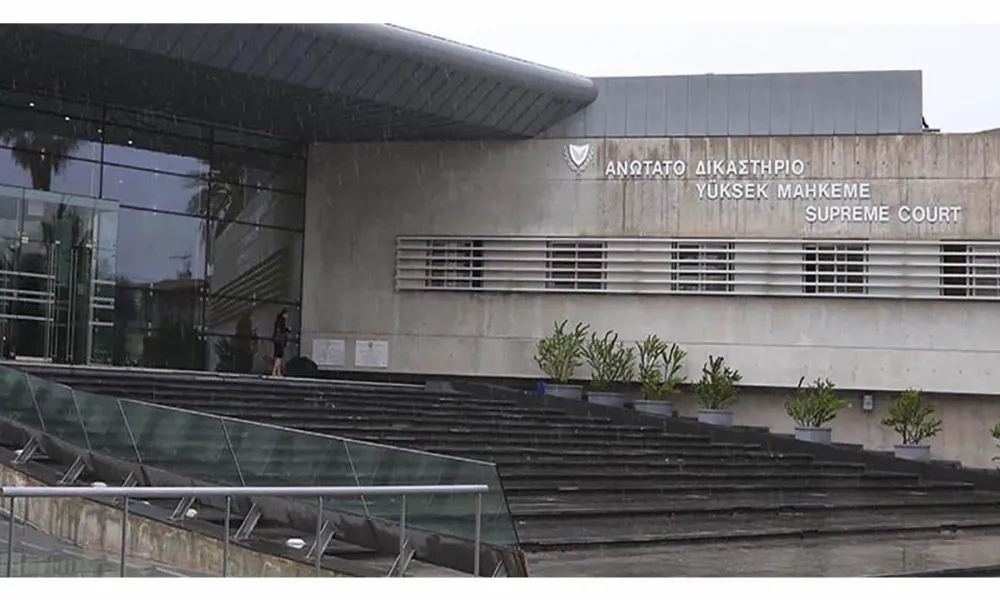
He also pointed to delays in the administration of justice as another factor holding back the Cypriot economy.
Cyprus could perform considerably better if greater progress were made in the justice system and in tackling corruption, he said, including through stronger interaction and checks between the different branches of government.
For Charalambous, the positive fiscal position therefore provides Cyprus with an important opportunity, but maintaining that position will require consistency, structural reform and fiscal restraint, particularly as the country approaches an election period.
Source: CNA