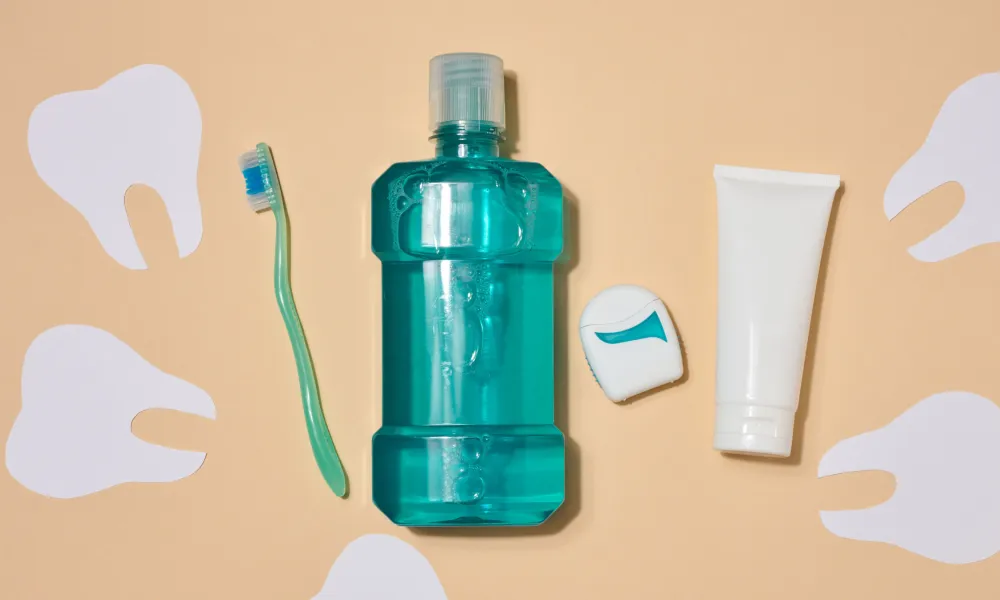



Social media posts have raised alarm in recent months over claims that regular mouthwash use can disrupt the oral microbiome and contribute to serious health problems, including Type 2 diabetes, high blood pressure, heart disease and reduced blood flow to the brain, the New York Times reported. The newspaper consulted dental experts to establish what the underlying research actually shows.
Using an over-the-counter mouthwash occasionally, such as once a week or once a month, is unlikely to damage oral or general health, Dr Purnima Kumar, a professor of periodontics and oral medicine at the University of Michigan School of Dentistry, told the New York Times. Swishing certain types of mouthwash multiple times a day over months or years, however, may carry some risk, she said.
Two categories of mouthwash
Mouthwash falls broadly into two categories, according to the New York Times: therapeutic mouthwashes, which contain active ingredients that kill bacteria and address issues such as bad breath, gum disease and tooth decay, and cosmetic mouthwashes, which mask bad breath temporarily without containing germ-killing agents.
The aim of good oral care is to remove harmful bacteria responsible for common dental problems while preserving the beneficial bacteria that help prevent them, Dr Vivek Thumbigere-Math, an associate professor of periodontics at the University of Maryland School of Dentistry, told the newspaper. Brushing, flossing and regular dental cleanings support that balance, he said, though emerging research suggests some mouthwashes, particularly therapeutic products containing the antiseptic chlorhexidine, available only by prescription in the United States, may alter the oral microbiome and some of its normal functions.
What the studies found
A small trial published in 2020 examined 36 healthy adults in Britain who rinsed twice daily for seven days with a placebo mouthwash, then repeated the process with a chlorhexidine mouthwash, the New York Times reported. The chlorhexidine rinse was associated with a marked shift in the salivary microbiome, a more acidic mouth environment, which can raise the risk of cavities, and fewer bacteria linked to healthy blood pressure, according to the researchers cited by the newspaper.
It remains unclear whether other antiseptic ingredients commonly found in over-the-counter products, including cetylpyridinium chloride, essential oils, iodine or hydrogen peroxide, found in some Colgate, Crest and Listerine products, affect the microbiome to the same degree as chlorhexidine, the New York Times reported. Dr Richard Nejat, a periodontist in New York City, said logic and limited existing research suggest they might if used long-term, and advised against extended use unless treating a specific dental issue.
Oral bacteria convert nitrates from food into nitric oxide, which relaxes blood vessels and lowers blood pressure, Dr Kumar explained to the newspaper, which is why growing evidence points to a link between oral microbiome disruption and cardiovascular health. Some research has also found associations between regular mouthwash use, such as twice daily over several years, and elevated risks of Type 2 diabetes and high blood pressure, though Dr Thumbigere-Math cautioned that these studies carry significant limitations and have not established cause and effect. Alcohol or peroxide-based rinses can also irritate gums, the tongue and other soft tissue, the experts said, and ingredients such as essential oils or foaming agents can occasionally cause burning, ulcers or, in rare cases, peeling inside the mouth.
Choosing the right product
Patients who need mouthwash, whether recommended or prescribed by a dental professional, are better served by a product targeting a specific issue rather than one combining multiple active ingredients, Dr Thumbigere-Math told the New York Times. Those at high risk of cavities may benefit from a fluoride-containing mouthwash, he said, while those with dry mouth may find relief from rinses designed to stimulate or mimic saliva. Patients temporarily unable to brush or floss normally, including after certain dental procedures, may also benefit from therapeutic mouthwashes, according to Dr Nejat.
Fluoride mouthwashes tend to be safer for long-term use than antiseptic ones, Dr Nejat said, since they work primarily by strengthening enamel rather than killing bacteria. He recommended alcohol-free rinses for those with dry mouth, mouth sores or sensitive gums or teeth, while Dr Thumbigere-Math advised against frequent use of whitening rinses for people with sensitive teeth.
Mouthwash remains optional for most people, Dr Thumbigere-Math said, and is no substitute for brushing, flossing and regular professional cleanings. "Mouthwash is not a lifelong, everyday kind of a thing," Dr Kumar told the New York Times, particularly when it is prescription-based.
Source: The New York Times