
The Court of Justice of the European Union (CJEU) ruled on Tuesday that the use of IKEA's well-known trademarks by the Flemish far-right party Vlaams Belang, as part of a campaign to reform Belgium's migration policy, is capable of causing significant harm to the company's reputation and interests. The ruling touches on a question that has repeatedly surfaced far beyond Europe: can politicians freely borrow the branding, imagery or music of others to amplify a political message?
Origins of the case
The dispute dates back to 2022, when the party publicly presented its programme titled "IKEA-PLAN – Immigratie Kan Echt Anders" ("there really is another way for immigration").
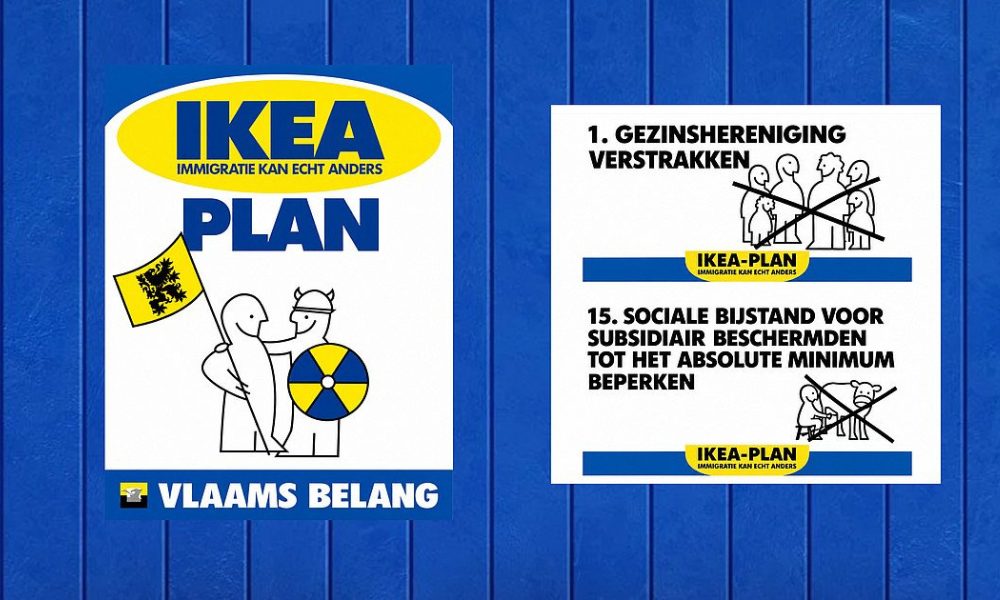
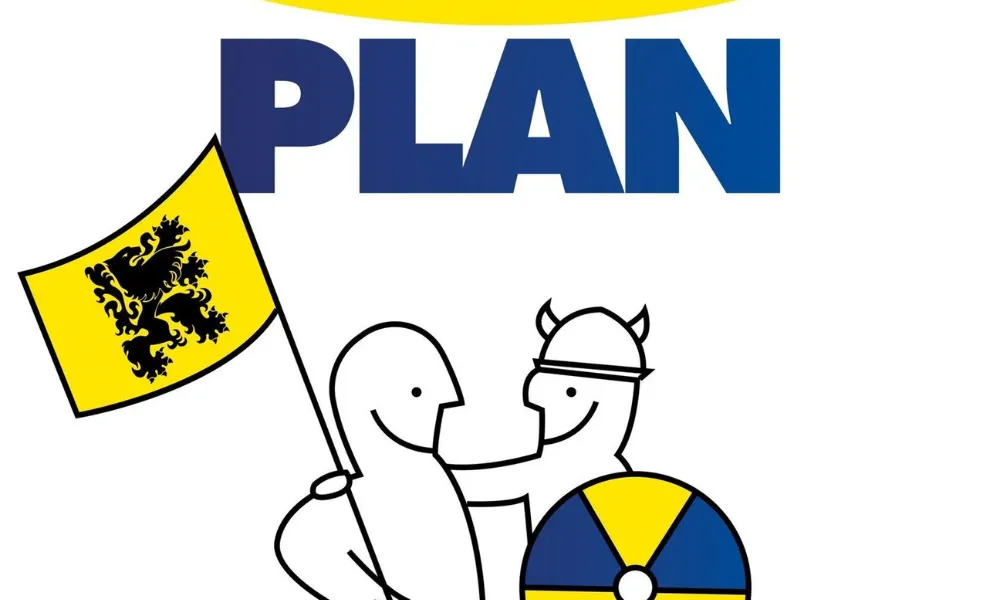
The far-right Flemish party accompanied its policy proposals with imagery referencing IKEA's trademarks and figures resembling those found in the company's product assembly instructions. IKEA, as the trademark holder, subsequently brought proceedings in Belgium against the party responsible for the campaign, with the Belgian commercial court referring the matter to the CJEU. The party responsible for the campaign acknowledged using the trademarks without IKEA's consent, but invoked freedom of political expression and parody as due cause for the use.
What the Court decided
In its ruling on Tuesday, the CJEU clarified that simply invoking freedom of expression is not sufficient to establish due cause; the party invoking it must demonstrate that the reasons cited outweigh the rights and interests of the trademark holder. National courts are therefore required to weigh the trademark holder's property rights against the third party's right to freedom of expression, taking into account, among other factors, whether the use contributed to a public debate of general interest and whether it created the impression that the trademark holder endorsed the political message in question.
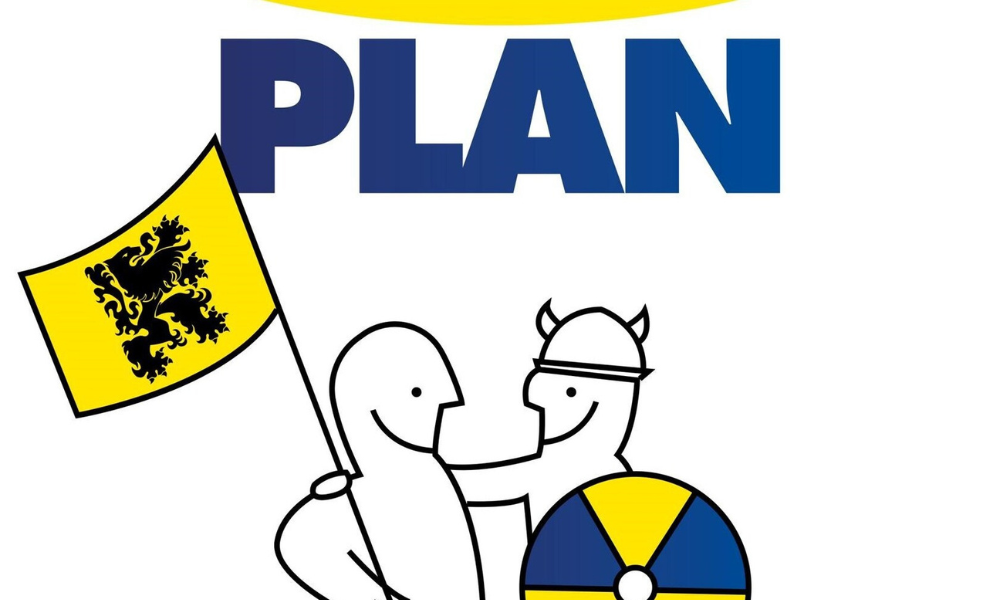
In its announcement of the ruling, the Court noted that it does not appear that the use of IKEA's trademarks, aimed solely at exploiting their reputation to reinforce a political message, outweighs the company's rights. However, the final judgment in the case will be issued by the Belgian court, based on this interpretation.
A familiar dispute in the United States
The tension between political messaging and intellectual property rights is not unique to Europe. In the United States, musicians have repeatedly objected to politicians using their songs at rallies and in campaign material without permission, most frequently in connection with Donald Trump's campaigns since 2015.
Among the best-known disputes: the estate of Prince stated it had never authorised the use of his music by Trump or the White House, while Panic! at the Disco frontman Brendon Urie publicly told the campaign to stop playing his band's song.
During the 2024 campaign, Beyoncé's team sent a cease-and-desist letter after a campaign video used her track "Freedom," which had separately been authorised for use by the Harris campaign.
Céline Dion's team likewise objected after "My Heart Will Go On" was played at a rally, noting the track's use had not been approved. In June 2026, singer Ariana Grande publicly objected after the White House used one of her songs in a video promoting immigration enforcement action.
Unlike the IKEA case, most of these disputes in the US have not resulted in a definitive court ruling on trademark or copyright grounds; they have largely played out through public statements and cease-and-desist letters, reflecting differences between US and EU legal frameworks on trademark and intellectual property use in political contexts.
Why it matters
The CJEU ruling establishes that, within the EU, a political actor cannot rely on freedom of expression alone to justify using a company's trademarks without consent. Courts must instead balance that expression against the potential reputational and commercial harm to the trademark holder, and against the risk that the public may mistakenly infer the brand's endorsement of the political message.