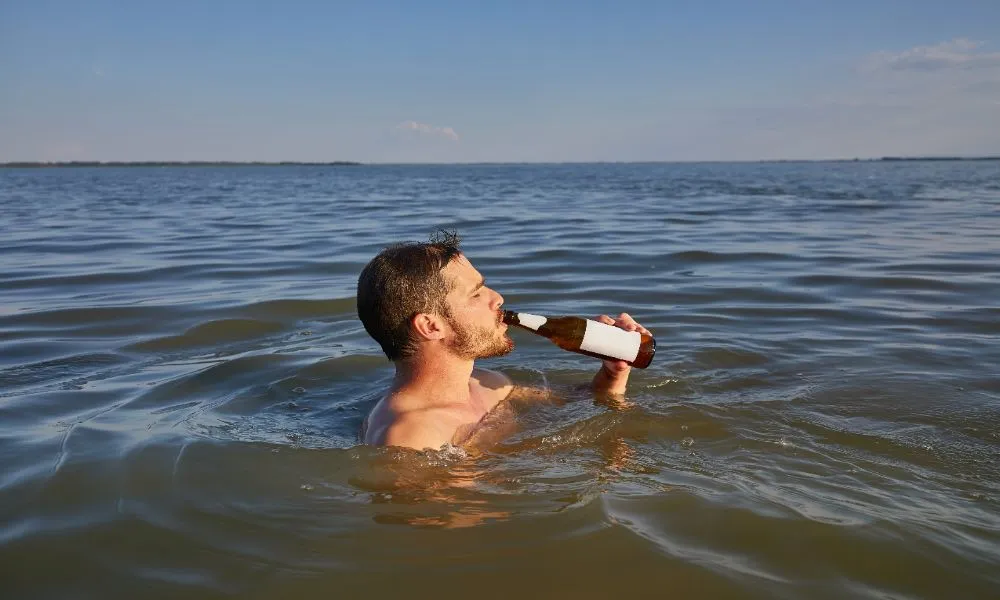

As temperatures soar across Europe, many people reach for an ice-cold alcoholic drink to cool down. However, doctors say alcohol can place additional stress on a body that is already working hard to regulate its temperature.
It speeds up dehydration
Alcohol is a diuretic, meaning it increases fluid loss through urination.
According to the NHS, alcohol can contribute to dehydration, which becomes an even greater concern during hot weather when the body is already losing water through sweat.
Experts warn that the higher the alcohol content of a drink, the greater its dehydrating effect may be. This is also one reason why hangovers often feel worse after drinking in the sun.
It dilates blood vessels
Heat causes blood vessels to widen in an effort to release excess body heat.
Alcohol has a similar effect, increasing the likelihood of dizziness, light-headedness and even fainting during periods of extreme heat.
The Mayo Clinic notes that heat-related illnesses can develop when the body struggles to cool itself effectively.
It affects judgement
Beyond the physical effects, alcohol can also impair decision-making.
People who have been drinking may be less likely to recognise warning signs of dehydration or heat exhaustion and may engage in riskier behaviour than they normally would.
Who is most at risk?
Older adults are particularly vulnerable to dehydration and heat-related illnesses.
People taking certain medications, especially diuretics or blood-pressure treatments, should also exercise extra caution, as alcohol can compound their effects.
Guidance from the CDC highlights older adults and people with underlying health conditions as groups at increased risk during extreme heat events.
How to drink more safely in hot weather
Experts do not necessarily recommend avoiding alcohol altogether, but they stress moderation and hydration.
- Drink water regularly and alternate alcoholic drinks with water.
- Avoid drinking on an empty stomach.
- Stay in the shade during the hottest parts of the day.
- Wear lightweight clothing and use sunscreen.
- Consider drinking less alcohol than you normally would, as heat can make its effects feel stronger.
The bottom line
Alcohol and extreme heat can be a dangerous combination. The risk of dehydration, dizziness and heat exhaustion increases significantly when drinking during a heatwave.
If you choose to drink, staying hydrated, eating beforehand and limiting alcohol intake are some of the best ways to reduce the risks.
Source: Ygeiamou.gr