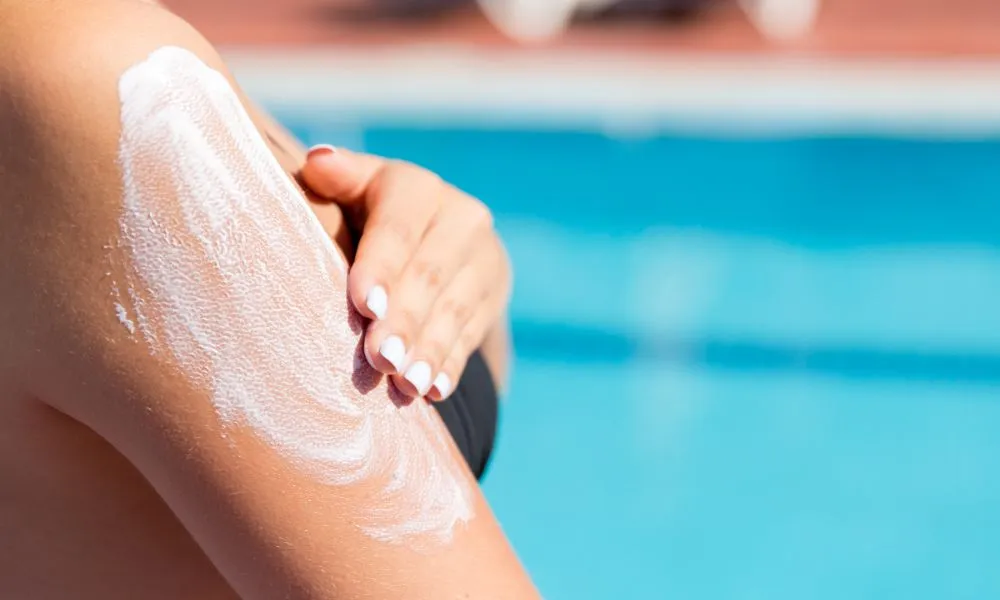

Social media has become a major source of health and beauty advice, but not all of the information shared online is accurate.
A recent study published in PLOS Digital Health found that while most social media content promotes proper sunscreen use, a small number of videos contain misleading claims about the effectiveness or safety of sunscreen products.
Although these videos represent only a minority of content, they often attract more likes, comments and shares, helping them spread to larger audiences.
What the study found
Researchers analysed nearly 1,000 sunscreen-related videos published in 2024.
The study found that approximately 87 per cent of the videos encouraged sunscreen use, with many also offering practical advice on proper application.
However, a smaller number questioned sunscreen safety or effectiveness. Despite being fewer in number, these videos generated disproportionately high levels of engagement.
Researchers believe controversial or sensational claims often trigger stronger emotional reactions, encouraging users to comment on and share the content.
Why sunscreen matters
Sunscreen acts as a protective barrier against ultraviolet (UV) radiation by either absorbing or reflecting part of the sun's rays.
Daily use helps reduce sun-related skin damage and remains one of the most important measures for preventing skin cancer. Guidance from the American Academy of Dermatology Association continues to recommend regular sunscreen use as part of a comprehensive sun-protection strategy.
While sunlight plays a role in vitamin D production, experts stress that any potential benefit does not outweigh the risks associated with prolonged, unprotected exposure to UV radiation.
How to identify reliable health information
Experts recommend approaching health advice on social media with caution and critical thinking.
Before adopting any health practice, it is important to verify information through reputable scientific sources or consult a healthcare professional. Resources such as the American Cancer Society provide evidence-based information about UV exposure and skin cancer prevention.
The findings offer a positive takeaway: most online content supports sunscreen use. However, they also highlight the need to remain sceptical of eye-catching claims that may not be supported by scientific evidence.
Smart info
Proper sunscreen use requires:
- Applying sunscreen about 30 minutes before sun exposure.
- Using a sufficient amount, roughly half a teaspoon for the face.
- Reapplying every two hours, or immediately after swimming or towel-drying.
- Remembering commonly missed areas such as the neck, ears, hairline, hands and feet.
Because UV radiation is present even on cloudy days, sunscreen should be used year-round, not just during the summer.
Source: Vita