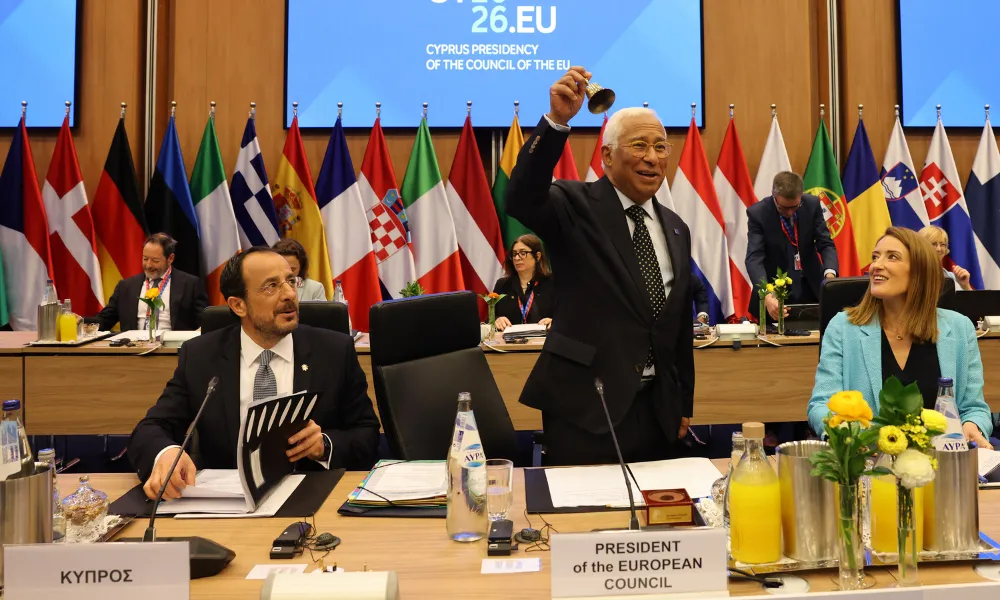


The second and final day of the informal European Council meeting is taking place at the Filoxenia Conference Centre in Nicosia, where leaders were joined by the presidents of the European Parliament and the European Commission for a working session covering the EU's long-term budget, energy, and the geopolitical fallout of the ongoing conflict in the Gulf.
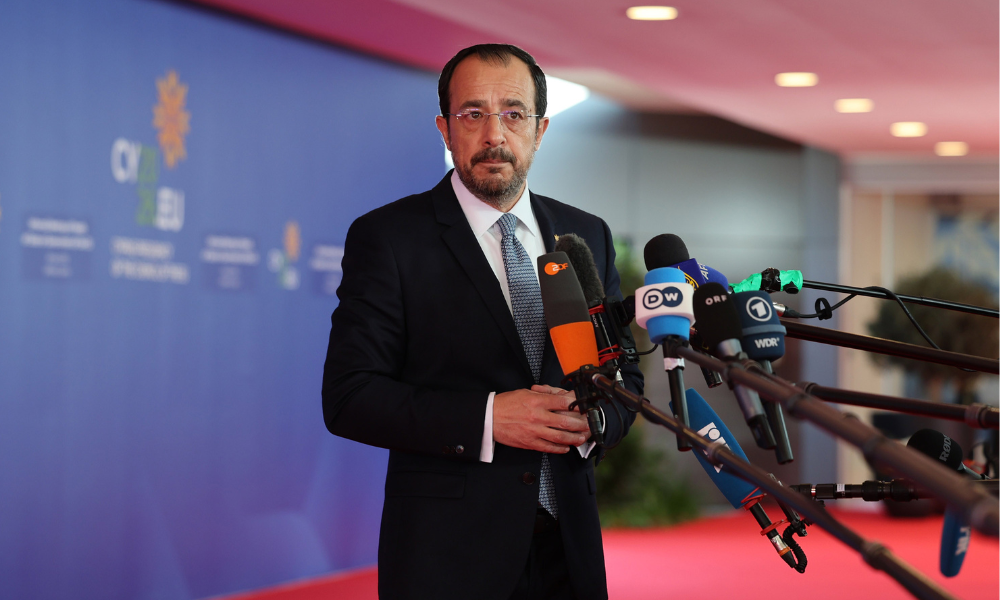
One Europe, One Market
The most visible act of the morning was the signing of the "One Europe, One Market" roadmap by Cypriot President Nikos Christodoulides, European Commission President Ursula von der Leyen, and European Parliament President Roberta Metsola. The joint document commits all three institutions to delivering concrete legislative milestones across five strategic pillars: simplifying rules, deepening the single market, strengthening trade policy, cutting energy prices and decarbonising, and driving digital and AI transformation, with specific deadlines running through to the end of 2027.
Signed! ✍️
— Ursula von der Leyen (@vonderleyen) April 24, 2026
Our “One Europe One Market” roadmap.
It’s our joint political vision shaped at the Alden Bielsen Summit for a fully functional Single Market by end 2027
With concrete actions on key drivers of prosperity.
From simpler rules to AI and a stronger trade network.
Now… pic.twitter.com/NvltaxUElj
Christodoulides said he was "very happy" to sign the roadmap, framing it as central to the EU's broader ambition of strategic autonomy. "It sets very specific timelines and targets in order to strengthen our competitiveness," he said.
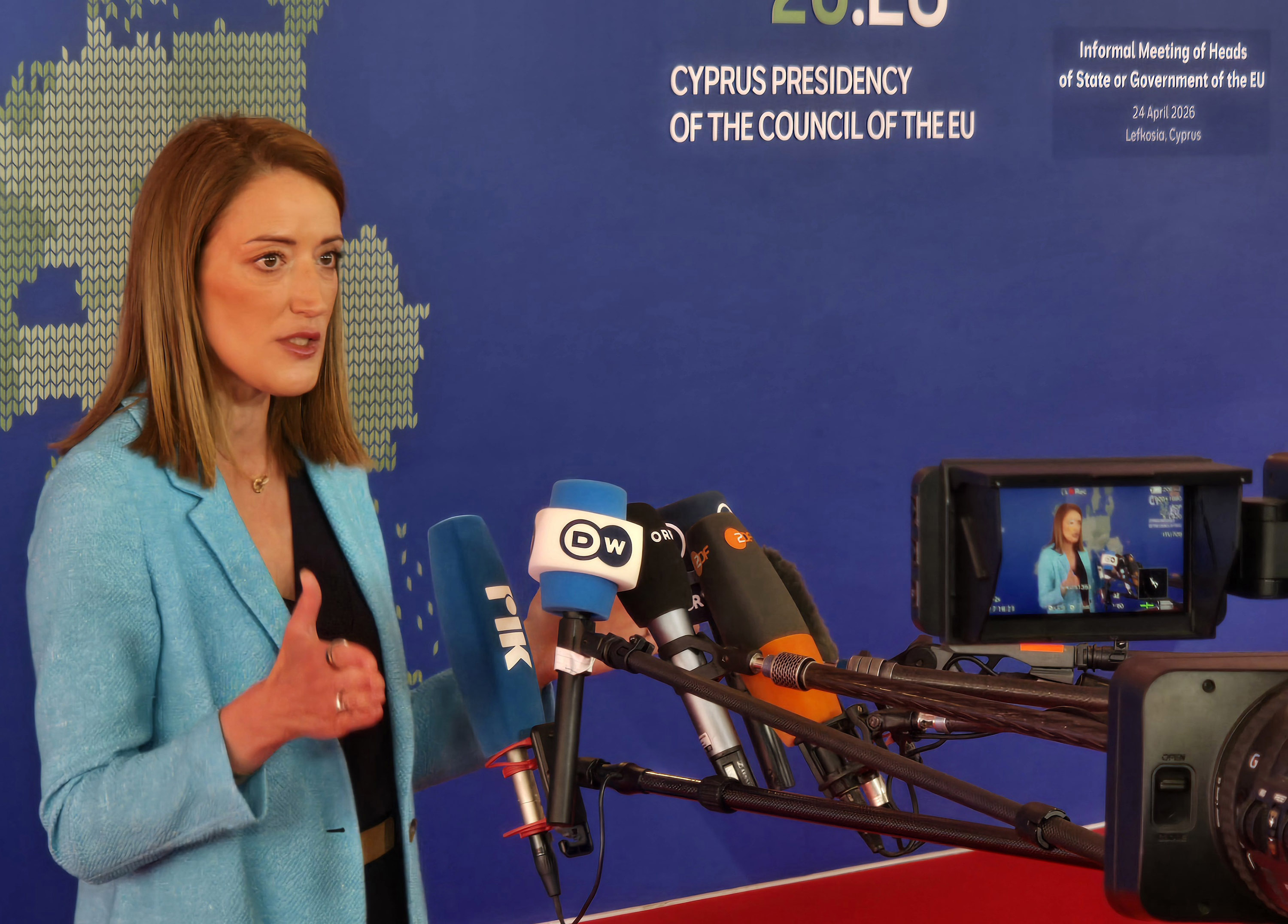
Metsola, arriving at Filoxenia for the morning session, called for leaders to take "a fresh look at own resources," warning that the existing EU budget is insufficient to meet the scale of challenges the bloc faces. The European Parliament, she said, will adopt its position on the next Multiannual Financial Framework next week and is ready to enter negotiations with member states. "Now is the moment to secure the strategic autonomy we have been discussing for decades," she said.
Operationalising Article 42.7
One of the substantive outcomes of the two-day meeting was an agreement to task the European Commission with drawing up an operational response plan for Article 42.7 of the EU Treaty, the mutual assistance clause obliging member states to aid any EU country that comes under armed attack.
Christodoulides said leaders had agreed during Thursday's dinner that a practical playbook was needed.
"Let's say France triggers Article 42.7. Which countries will be the first to respond? What are the needs of the country triggering it? All of this will be included in a plan, so that if and when a member state activates Article 42.7, we have an operational plan ready," he explained.
On the MFF, Christodoulides said the presidency's aim was to present a mature negotiating framework with specific figures to the European Council by June, and expressed hope for a political rather than technical discussion among leaders. He also welcomed the signing of the "One Europe, One Market" roadmap, describing it as setting concrete timelines and targets to strengthen EU competitiveness.
On regional cooperation, Christodoulides said Thursday's discussions made clear the EU needed to do significantly more to strategically upgrade its relations with neighbouring countries. He said Cyprus had specific proposals to table at Friday's working lunch with leaders from Egypt, Jordan, Lebanon, Syria and the Secretary-General of the Gulf Cooperation Council. He said the EU needed to open discussions with Lebanon on a strategic and comprehensive agreement, and to engage with Syria through a gradual approach, with sanctions relief tied to the Syrian government's response. He added that he planned to visit the UAE, Qatar and Saudi Arabia next week to brief Gulf leaders on the summit outcomes and discuss next steps.
Greek Prime Minister Kyriakos Mitsotakis was among the most vocal advocates for upgrading the clause, describing the solidarity shown toward Cyprus during the US-Israel-Iran conflict as "the first practical proof that Europe can stand on its own beside a member state under threat." He said Greece would use its EU Council presidency in the second half of 2027 to push the discussion further.
Christodoulides said he was satisfied that both NATO members and non-NATO members around the table recognised the need for a workable plan, a significant point for Cyprus, which is one of the few EU member states outside the alliance.
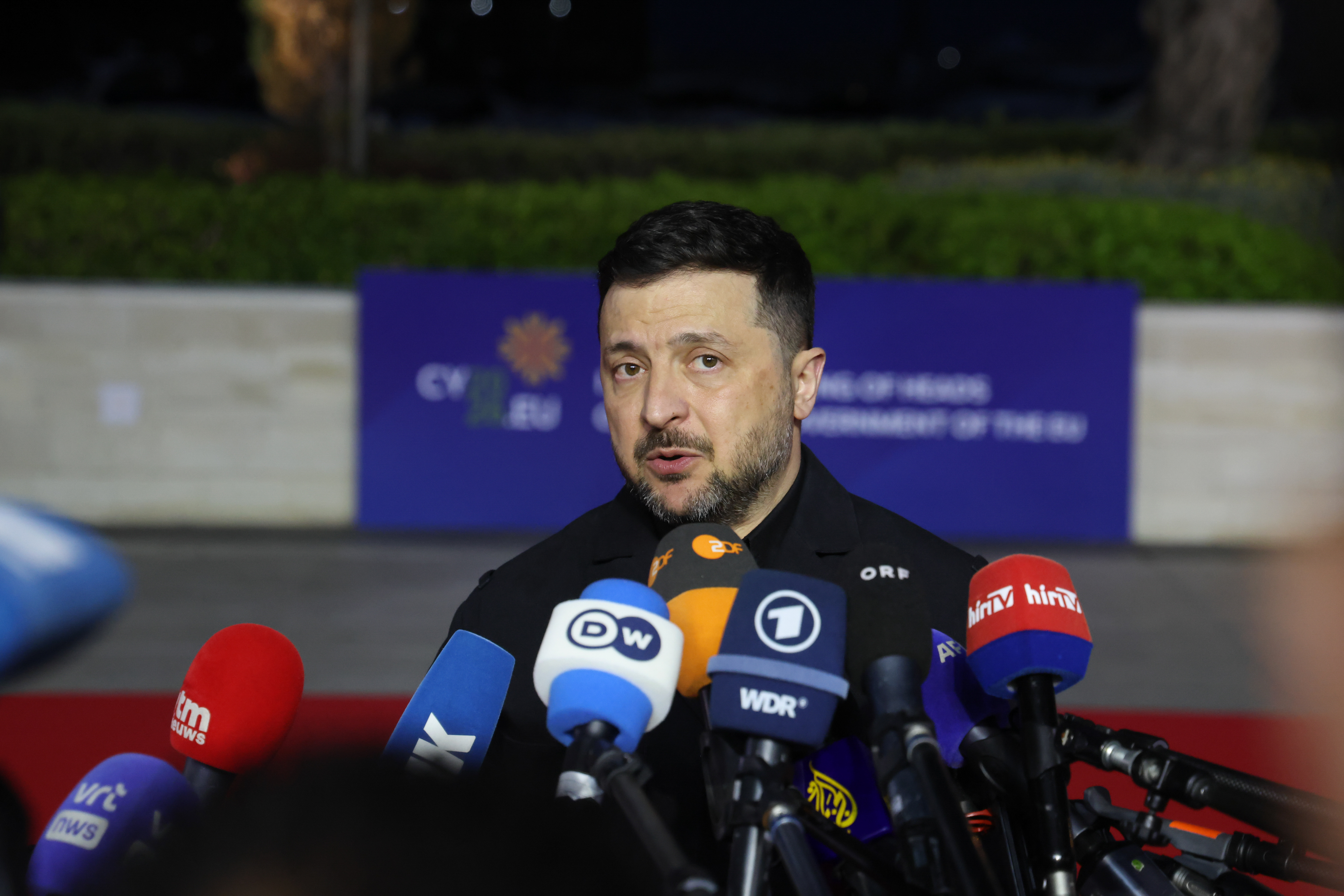
Ukraine: Loan, Sanctions and Accession Talks
European Council President António Costa, speaking at his doorstep ahead of Thursday's opening session in Ayia Napa, set the tone by describing the day as "a very good day" for Ukraine. The EU had taken two steps: disbursing a €90 billion loan to Kyiv and adopting its 20th package of sanctions against Russia. "The next step is to open formally the first clusters of negotiations for the European accession of Ukraine to the European Union," he said.
EU foreign policy chief Kaja Kallas said several prime ministers pushed at the table for work to begin immediately on a 21st sanctions package, to send "a very clear message to Russia that it cannot outlast us." She described the loan and sanctions package as "good news" while stressing that momentum must be maintained.
Kallas Warns on Iran Talks Scope
On the Middle East, Kallas urged that negotiations with Iran go beyond the nuclear file. If talks are limited solely to the nuclear issue without addressing Tehran's missile programme and its support for armed groups in the region, she warned, any resulting deal could prove "weaker than the JCPOA" and leave Europe with "a more dangerous Iran."
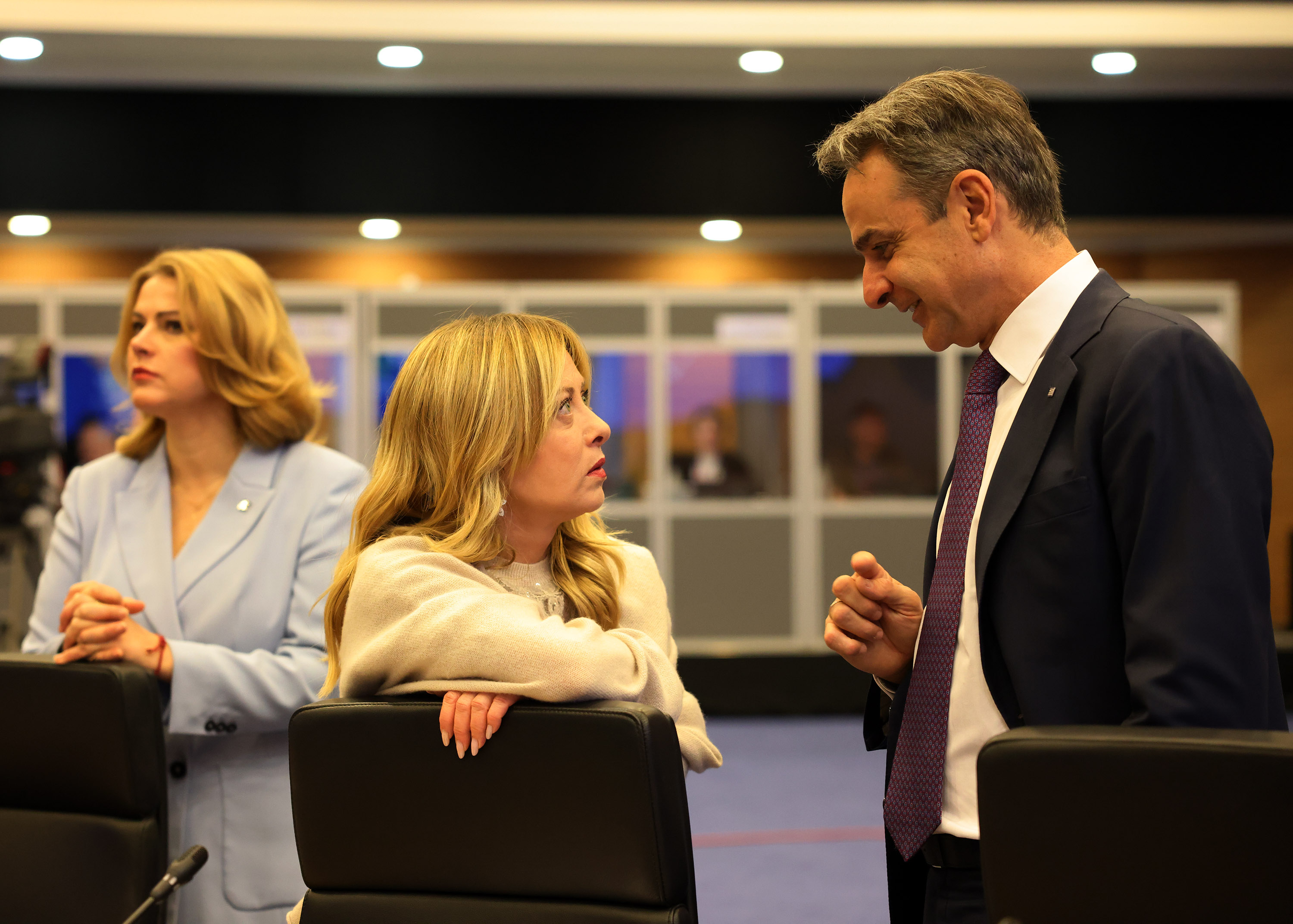
She described freedom of navigation through the Strait of Hormuz as "non-negotiable" and said the existing EU naval operations Aspides and Atalanta could be reinforced with vessels and capabilities as the fastest way to support a coalition of willing partners in the region.
On Syria, Kallas said a high-level political dialogue with foreign ministers is planned for May. On Lebanon, she stressed that the country's armed forces need more support to disarm Hezbollah and strengthen state control.
Southern Flank Migration Coordination
On the sidelines, the leaders of Cyprus, Greece, Italy and Malta issued a joint statement agreeing to coordinate action to prevent a new migration crisis on the scale of 2015, in the event of a further deterioration in the Middle East. They tasked their interior and migration ministers to work closely with the European Commission on integrating national responses into EU-level policy.
Running alongside the formal agenda, Spain's push to suspend the EU-Israel Association Agreement casts a shadow over discussions on the Middle East. Prime Minister Pedro Sánchez, who arrived in Nicosia having already formally tabled the proposal at the EU foreign ministers meeting in Luxembourg on 21 April alongside Slovenia and Ireland, is expected to press the issue directly with fellow leaders during Friday's session on regional stability. The Association Agreement, in force since 2000, contains a human rights clause that Madrid argues Israel has violated. While France and Sweden had signalled openness to at least partial suspension, no bloc-wide consensus has emerged, leaving the question unresolved as leaders sat down with regional partners Egypt, Jordan, Lebanon, Syria and the Gulf Cooperation Council for the afternoon working lunch.