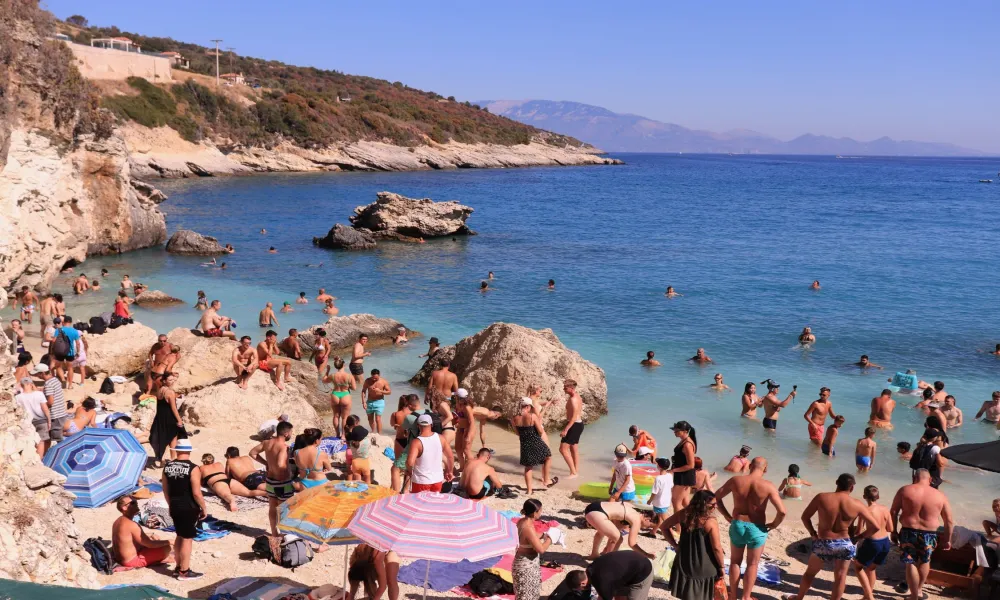

Record summer temperatures across Europe are not only driving heatwaves but are also increasing the risk of waterborne infections, including vibriosis, swimmer's ear, gastroenteritis, and certain skin and urinary tract infections.
According to the European Centre for Disease Prevention and Control (ECDC), warmer water temperatures, environmental changes and increased summer travel are altering the distribution of some infectious diseases across Europe.
One of the best-known concerns is vibriosis, caused by naturally occurring Vibrio bacteria, which thrive in warm coastal waters during the hottest months of the year.
What is Vibrio?
Vibrio bacteria multiply most readily in warm, low-salinity waters, such as estuaries and river mouths. They can also be found in raw or undercooked shellfish, particularly oysters.
Some strains, including Vibrio vulnificus, have attracted attention because, in rare cases, they can cause severe tissue infections, leading to their description as "flesh-eating bacteria".
The ECDC has updated an interactive map identifying areas where environmental conditions may increase the risk of Vibrio infections.
Who faces the greatest risk?
While anyone can become infected, serious illness is more likely among:
- People with weakened immune systems.
- Individuals with chronic liver disease.
- Those with underlying health conditions.
For these groups, extra caution when swimming and consuming seafood is especially important.
How to reduce infection risk while swimming
Health experts recommend avoiding swimming if you have:
- Open wounds.
- Cuts or abrasions.
- Recent piercings.
- Broken skin of any kind.
Bacteria can enter the body through damaged skin.
If entering the water is unavoidable, wounds should be covered with a fully waterproof dressing. After swimming, cuts and abrasions should be cleaned thoroughly with fresh water.
Take care with seafood
Experts also advise avoiding raw or undercooked oysters and shellfish.
Properly cooking seafood significantly reduces the risk of Vibrio infection and other foodborne illnesses.
Climate change expanding risk areas
Although regions such as the Baltic Sea and certain European estuaries remain among the most favourable environments for Vibrio growth, warming waters linked to climate change are gradually expanding the areas where the bacteria can thrive.
For that reason, health authorities are encouraging the public to follow simple preventive measures and remain aware of environmental conditions during the summer months.
Source: Euronews