The cost of owning an unsterilised dog in Cyprus should be significantly higher to encourage responsible ownership, the head of an animal welfare organisation has said, following recent amendments to the country’s dog legislation.
Chryso Kakofengitou, President of Rights For Animals, told the Cyprus News Agency that the revised fee structure is a “major mistake” and fails to reflect the scale of the issue.
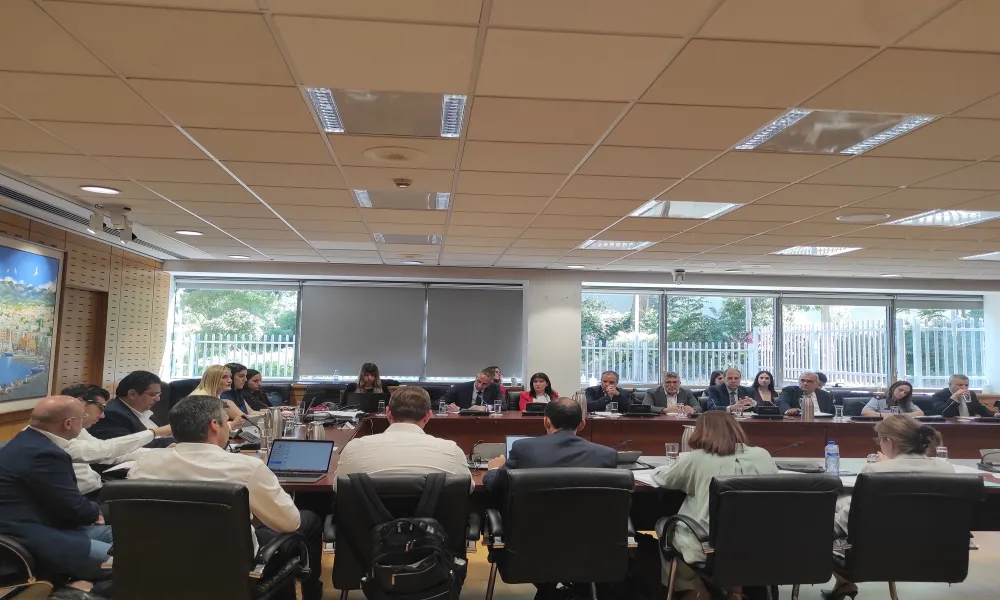
The comments come after the House plenary approved changes to the Dogs Law on Thursday, including adjustments to the cost of keeping unsterilised dogs.
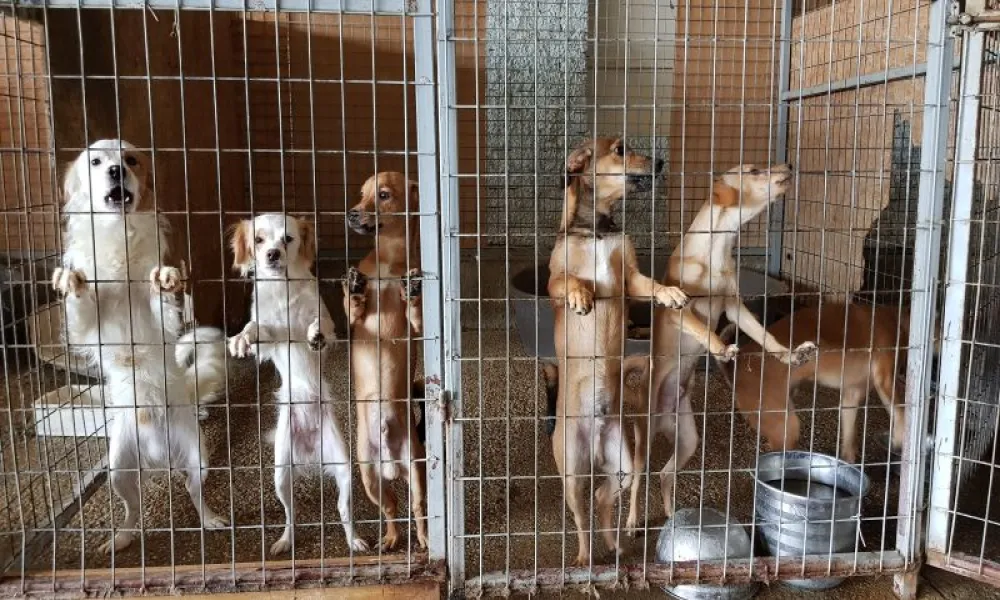
Kakofengitou argued that without stronger financial disincentives, overbreeding will continue unchecked. She warned that unsterilised dogs can produce thousands of puppies annually, placing increasing pressure on shelters and animal welfare groups.
“If dogs in Cyprus remain unsterilised, they can produce around 5,000 puppies each year. Within five years that number could rise to 12,000, and within 15 years to 36,000,” she said, questioning whether there are enough adopters to absorb such numbers.
She added that many unwanted puppies are abandoned or handed over to animal welfare organisations, exacerbating an already strained system.
“The right to own an unsterilised dog should come at a much higher cost, even up to €1,000, to ensure owners are compelled to sterilise,” she said, noting that sterilisation benefits both animal health and wider society.
Kakofengitou also warned that her organisation may take action to highlight the issue directly to political parties, in an effort to demonstrate the consequences of uncontrolled breeding.
She said the organisation will review the legislative amendments in detail before issuing a formal response.
Source: CNA