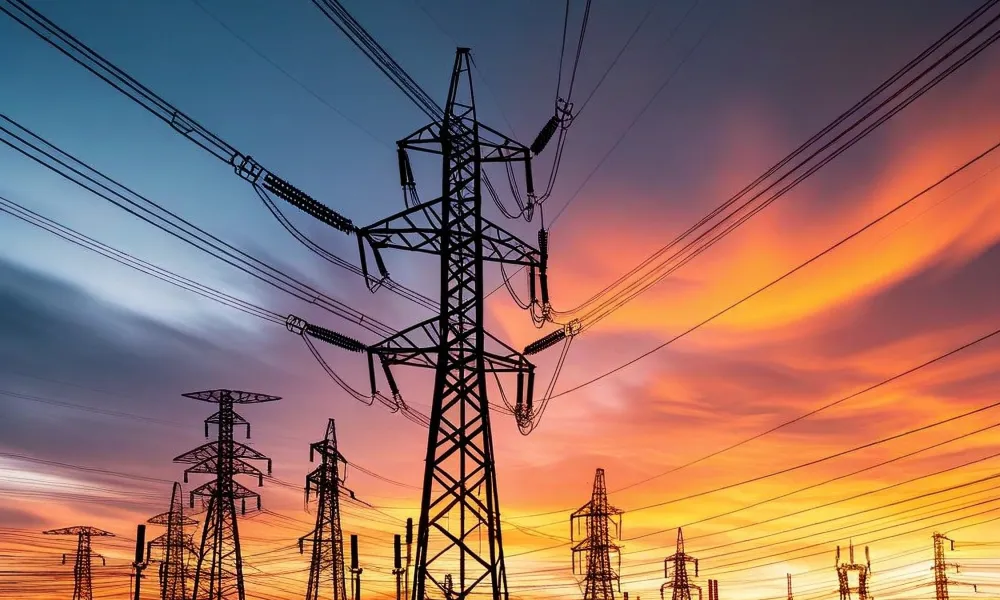

Cyprus is heading with mathematical certainty towards a total blackout, and this time it is not a figure of speech. Interventions by MPs from almost all political parties during Thursday's plenary session have reframed the issue and characterised it as deeply alarming. Warnings of a power deficit that could reach 720 MW by 2030, leaving the country able to generate only half of the electricity it needs, amount in essence to a complete admission of failure by the system tasked with safeguarding the state against such a scenario.
These findings, as expressed and repeatedly highlighted by institutions, are neither new nor the result of sudden discoveries. The mandatory withdrawal of the ageing, polluting units at Dhekelia and Vasilikos at the end of 2029 has been known for years under clear European regulations. Yet instead of timely strategic planning, the country became trapped in a cycle of chronic procrastination, reversals and incompetence. The arrival of natural gas remains an expensive joke, while the Great Sea Interconnector remains caught in the grip of the region's geopolitical realities and economic interests. The activation of a reserve capacity mechanism was delayed for far too long. Even today, the adequacy of the system hangs by a thread, dependent on sheer luck that no unforeseen breakdown occurs during peak demand.
It is impossible to attribute this criminal inertia solely to incompetence. In Cyprus, behind every "delay" in the energy sector lie intertwined economic interests, closed networks and powerful lobbies that profit from preserving the existing distorted model. The prolongation of energy dependency, the absence of genuine competition capable of lowering prices, and the continued reliance on exorbitantly expensive fuels serve specific interests at a time when a large section of the population is facing severe economic hardship.
The worst-case scenario is already approaching. Because valuable time has been lost, no more than three years remain before the critical 2029 milestone, when the country will be forced into "emergency solutions". We know very well what an "emergency solution" means. It means direct awards of contracts, the leasing of extremely costly generating units and reserve capacity at exorbitant prices, the cost of which will once again be passed on to consumers and small and medium-sized businesses.
This is why society now listens carefully to the concerns being expressed, whether by the legislative or executive branches of government. The longer the political system engages in sterile disputes over who bears greater responsibility, the more the ship, as one MP vividly remarked in parliament, continues full speed towards the iceberg.