
Denmark has ordered a Russian defence attaché to leave the country and is considering tighter visa restrictions on Russian citizens after intelligence services linked Moscow to an alleged plot to assassinate a Ukrainian-American rapper before a concert near Copenhagen.
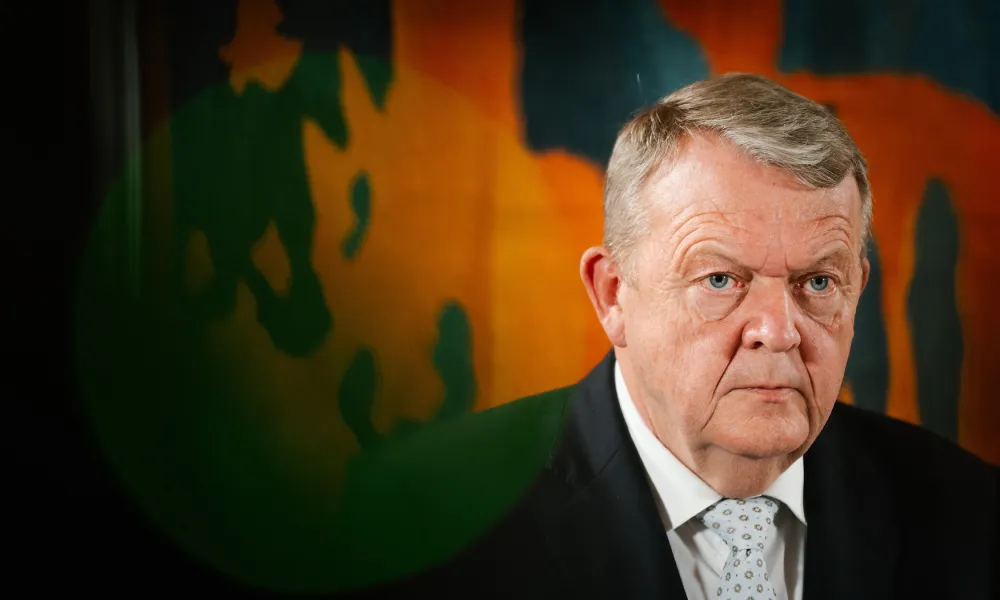
Danish Foreign Minister Lars Løkke Rasmussen said on Friday that the Russian diplomat had been given seven days to leave the country following an investigation into the suspected plot, which Danish intelligence agencies believe involved the assistance of a Danish criminal group.
“We have just summoned the Russian ambassador to the ministry of foreign affairs and notified him of the government’s decision to expel the Russian defence attache from Denmark,” Rasmussen told a news conference.
“We are saying this very clearly: we have exposed you,” he added.
The minister said Denmark was also examining the possibility of suspending the issuance of Schengen visas to Russian citizens.
“We have launched work at the European level to further tighten the rules governing access of Russian nationals to Europe,” he said.
“We are now stepping up our efforts towards a halt to all non-essential visas."
Rasmussen added: “The strongest response Denmark can give is not to waver and to support Ukraine. And we fully intend to continue supporting Ukraine.”
The Danish public broadcaster DR identified the intended target as rapper Kyivstoner, who holds both Ukrainian and US citizenship.
Commission backing
On Saturday, European Commission President Ursula von der Leyen condemned what she described as an operation orchestrated by Russian intelligence services.
“I strongly condemn the assassination attempt against a US-Ukrainian citizen in Denmark, orchestrated by Russian intelligence services.”
“This was an attack on EU soil. And it is unacceptable. We stand in full solidarity with Denmark. And with all Member States targeted by Russian hybrid attacks.”
Von der Leyen noted that Moscow was becoming increasingly emboldened in its approach.
“Russia's hybrid threats are becoming less and less hybrid, and more and more real,” she said.
The European Commission chief said the bloc would continue to support Ukraine and could respond through measures including rapid response teams, sanctions and a new European security strategy currently under preparation.
Source: CNA, Guardian