
By Adonis Yiangou*
The dimensions the climate crisis has now taken on cannot be addressed with rooftop solar panels, the recycling of a few plastic bottles, and grandiose declarations at international summits. These are useful, but tragically insufficient in the face of the scale of the threat. We need something the political class is still afraid even to utter: revolution. Not a revolution of violence. A political, social, economic and cultural revolution. A break with a model that takes it for granted that we can consume endlessly on a planet with finite natural resources. A break, too, with the illusion that we can destroy today and restore tomorrow. History teaches us that great changes rarely began with those who held power. The abolition of slavery, the establishment of the eight-hour working day, women's right to vote, civil rights, the fall of authoritarian regimes, none of these were gifted by enlightened governments. They were preceded by social conflict, demonstrations, strikes, civil disobedience, and people who refused to accept as realistic what was in fact deeply unjust.
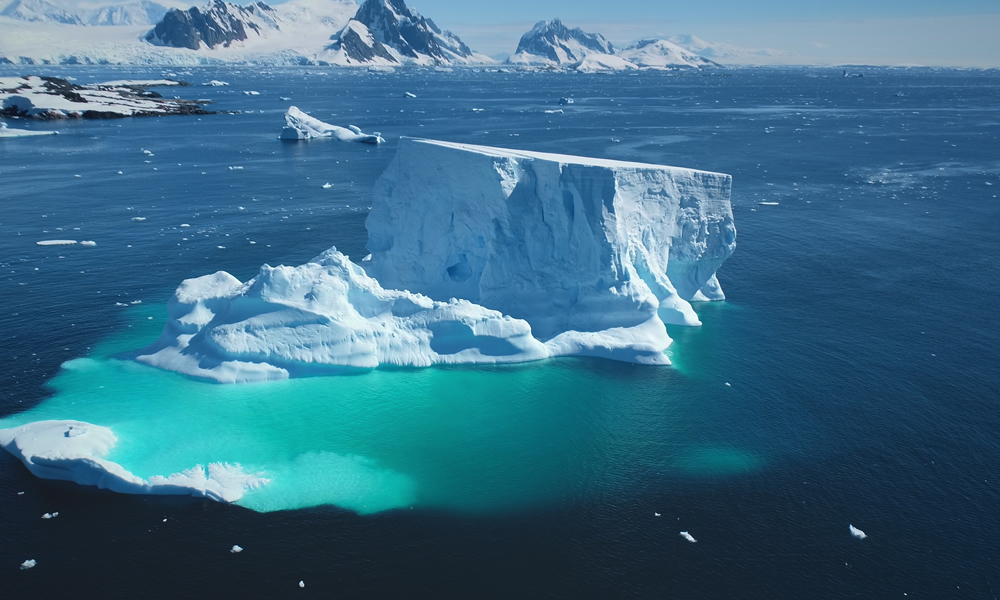
Henry David Thoreau put forward the idea, as early as the 19th century, that a citizen cannot surrender their conscience to the state. Gandhi turned non-violent disobedience into a political force. Martin Luther King reminded us that the great tragedy of social change is not only the actions of bad people, but also the silence of good ones. That is exactly where we stand today. We know. We know that temperatures are rising. We know that the oceans are warming, the ice is melting, forests are burning and biodiversity is collapsing. We know that the Mediterranean is a climate hotspot, and that Cyprus is on the front line of desertification, water scarcity and extreme temperatures. And yet we carry on much as before. This is no longer ignorance. It is a political choice.
Governments promise green growth, yet continue to subsidise or tolerate our dependence on fossil fuels. They speak of protecting biodiversity while permitting interventions in sensitive ecosystems. They talk about 2050, because 2050 lies far enough away that no politician in office today will ever be held accountable for it. That is why change must come from below. We need a mass environmental movement, one that is not confined to press statements and conferences. But we also need an economic revolution. A society's success cannot be measured solely by how much more it produced and consumed compared with last year. A forest that is cut down increases GDP. An ecological disaster generates restoration costs that are also recorded as economic activity. Something is clearly wrong when the index of progress can rise even as our natural wealth disappears. Einstein said that we cannot solve our problems using the same kind of thinking that created them. And that is precisely what we are attempting today: to cure the consequences of overconsumption with more consumption, and the ecological crisis with a few green fixes to the very same economic model.
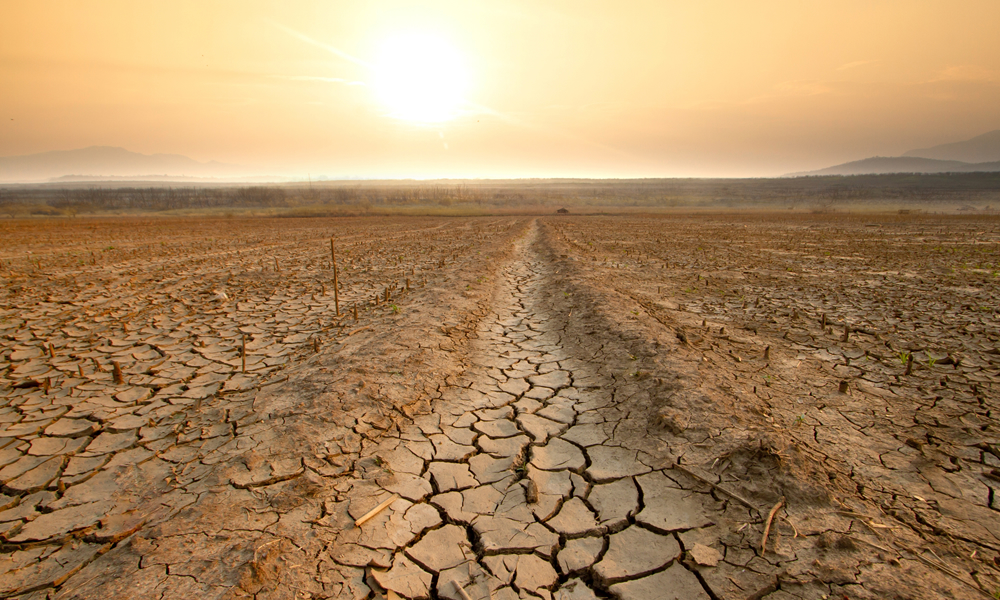
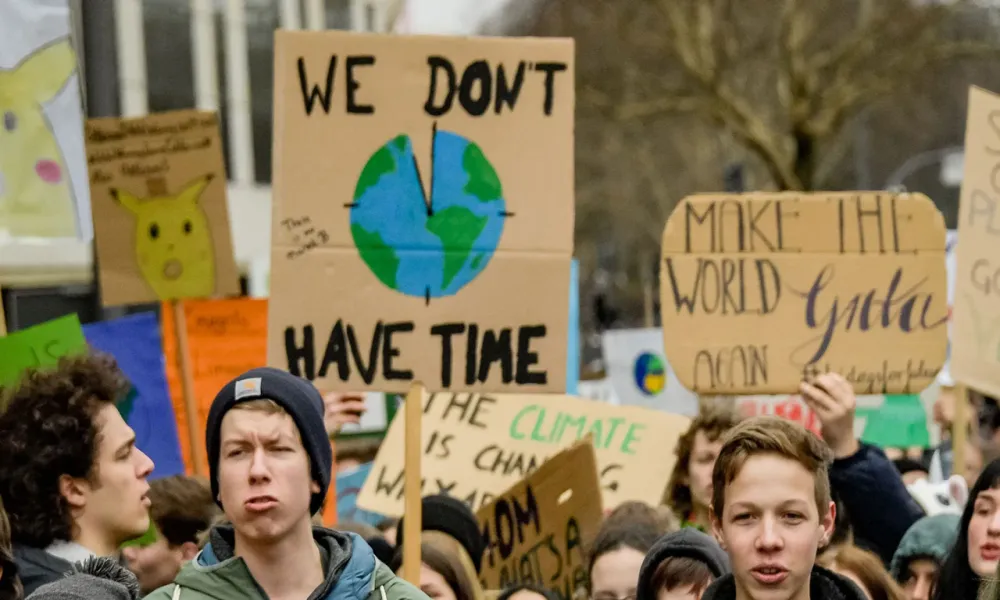
In Cyprus, the need for this change is even more urgent. We see reservoirs running dry, green spaces retreating, Akamas under constant pressure, our towns drowning in concrete, and our energy system still relying to a large extent on polluting fuels. And yet, the social response remains disproportionately small. Perhaps because we are waiting for someone else to save us. No one is coming. The climate revolution does not need weapons. It needs citizens. Active, informed, persistent and, when necessary, disobedient citizens. Citizens who will demand that governments fear the social call for change more than they fear the political cost of confronting vested interests. Because there is one final historical irony. Previous revolutions were fought to change the world. The next one must be fought so that we can continue to live in it.
*Member of the Ecologists Movement