
For the second evening in a row, Cyprus is being asked to ration electricity because it has too much sun. That sentence should not make sense, and yet here we are. The Transmission System Operator has warned that coverage of demand during this evening's peak hours, from 6pm to 10pm, is "extremely marginal," with a repeat warning for tomorrow. Simultaneous breakdowns at the Dhekelia and Vasilikos power stations have left the system without the reserves it needs, and an attempt to bring an extra unit online at Dhekelia in time did not succeed. Citizens are being asked, again, to go easy on their air conditioners at the exact hours they need them most.
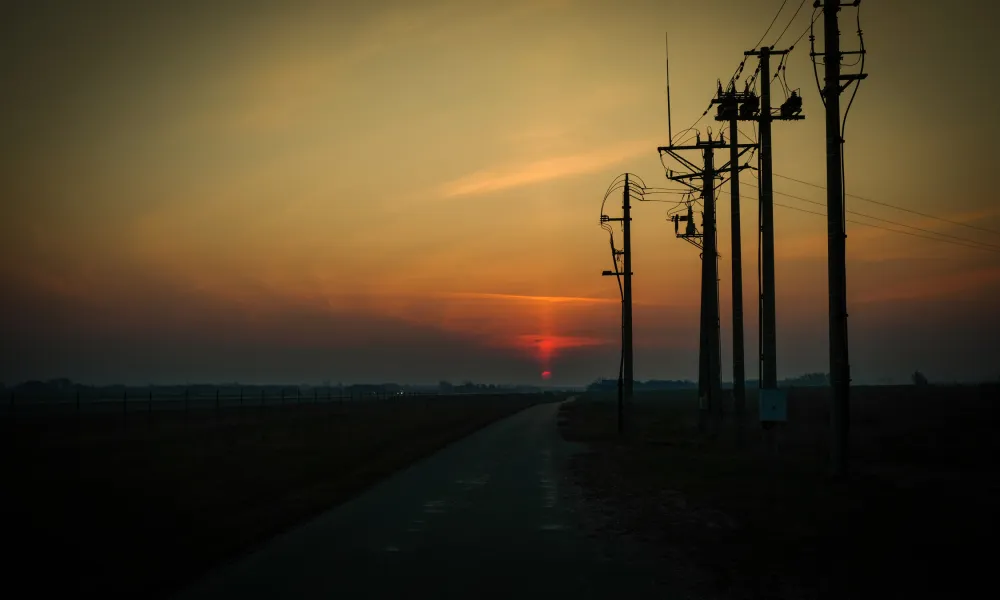
There is something so comic about an island this bright, this hot, this relentlessly sunlit, finding itself unable to keep the lights on. Cyprus is saturated in energy, for most of the daylight hours, at levels that would make grid operators in northern Europe weep with envy. And still, when the sun goes down and the heat lingers into the evening, the system buckles, because the capacity that mattered was never really about how much energy hits the island, but about how much of it can be stored, dispatched and relied upon exactly when people need it.
This problem was and still is predictable, and entirely foreseeable. It is meerly the result of building an energy system with no investment in storage and grid flexibility which has already lagged years behind the pace at which solar capacity has been added. Renewables have been covering large shares of daytime demand for years now. Grids from Texas to Spain have wrestled with the same mismatch between soaring renewable output and evening reliability. But an island this exposed to heat, this rich in solar potential, and this small in absolute demand should be better placed than most to solve it, not worse. Instead, every summer brings the same appeal to citizens to switch off their appliances during the same few critical hours, as if voluntary restraint were a substitute for infrastructure. It is not. A resilient grid does not depend on the goodwill of exhausted households not to turn on a fan during a heatwave.
There has been a persistent unwillingness to build storage and reserve capacity for decades. Until that changes, every heatwave will keep arriving with the same absurd warning attached, that the sunniest hours of the year are exactly when the island is most at risk of the dark.