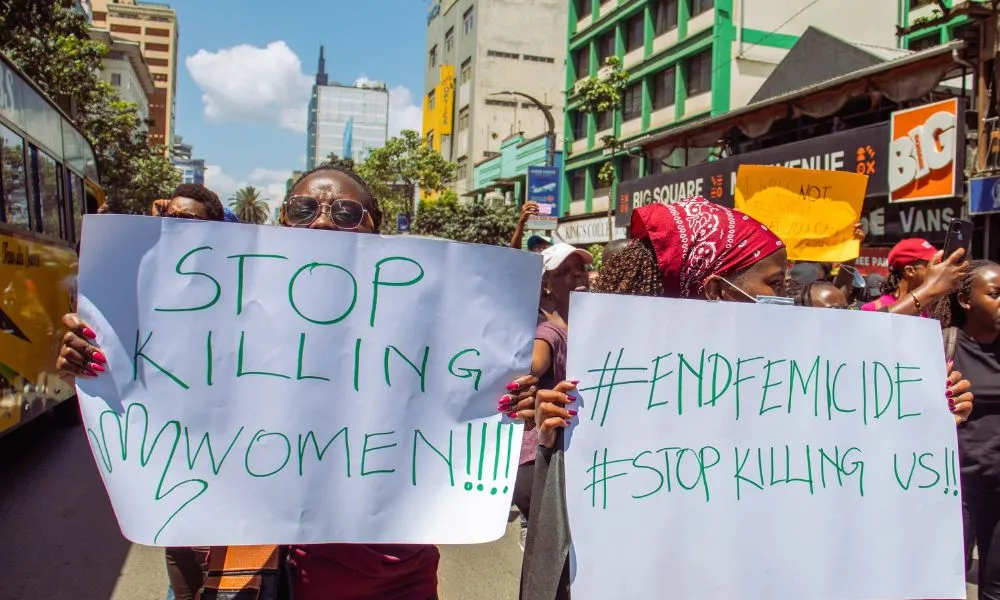
The recent attempted femicide in Limassol has once again brought into sharp focus a phenomenon that Cypriot society is well aware of, frequently discusses, yet has not addressed with the consistency and seriousness it requires. Every such incident understandably triggers public outrage, statements of condemnation, policy announcements and calls for action. Yet once the news cycle moves on, the issue often recedes from both the political and social agenda until the next tragedy occurs.
This cyclical pattern of response may be the greatest obstacle to the effective prevention of gender-based and domestic violence. Sporadic reactions are not enough. What is needed is continuity, consistency and institutional commitment, regardless of whether the issue is making headlines. Violence against women is not an “exceptional event” or a natural phenomenon that occurs independently of human action. It is a social problem that requires permanent mechanisms to address it.
The state has a responsibility to ensure that prevention and protection tools do not operate only under the pressure of a particular moment. From adequate staffing of social welfare services and the police to the training of frontline professionals and timely risk assessments, every link in the chain must function systematically rather than intermittently. At the same time, justice must be delivered both swiftly and clearly, strengthening victims’ confidence that they will not be left unprotected.
Equally important is investment in prevention through education and public awareness. Attitudes that perpetuate tolerance of violence or gender inequality cannot be overturned through isolated campaigns. They require continuous educational and cultural work. The issue must become part of the school curriculum from the earliest years. Respect is something that must be cultivated.
The real challenge, therefore, is not the intensity of the reaction after each tragic incident but the consistency of political commitment. In other words, endurance. It is consistency that produces results. Only when the fight against gender-based violence ceases to depend on the news agenda and becomes a permanent priority for society can meaningful change occur.
Public pressure on the state is necessary to ensure that institutions remain vigilant. Attitudes will not change in a single day.