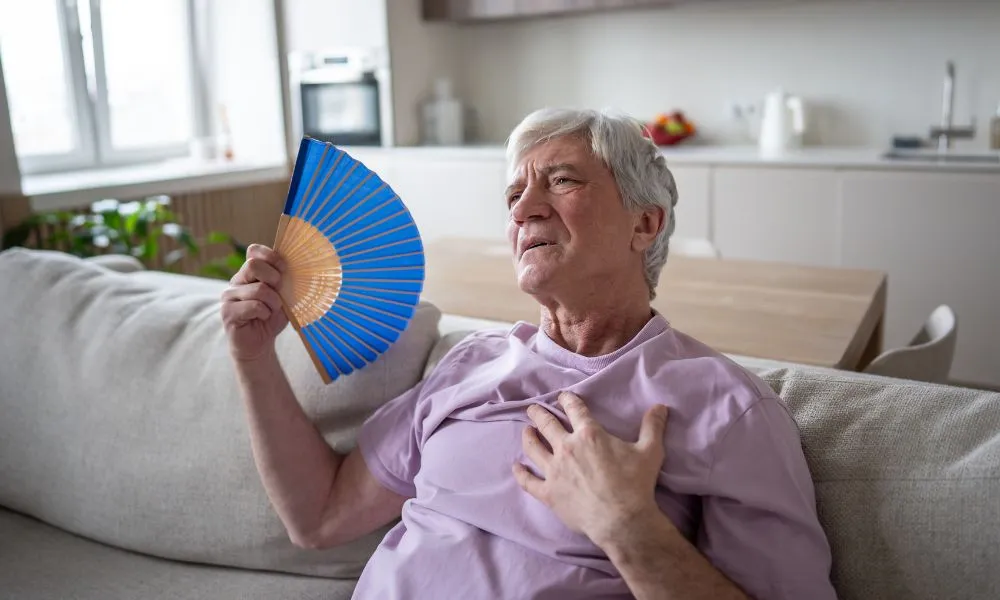
Europe is sounding the alarm as a new heatwave grips several countries, bringing into sharp focus a reality that directly concerns Cyprus as well. High temperatures are not merely an unpleasant feature of summer. They can lead to heat exhaustion, heatstroke, the worsening of chronic illnesses and, in some cases, death. According to international reports, last summer's heat was linked to approximately 16,500 excess deaths in European cities, while in Cyprus, World Health Organization data showed that 45 deaths from heatstroke were recorded between 2004 and 2021, a figure that has now exceeded 50.
Hospitals are already on alert and ready to respond to cases of heat exhaustion and heatstroke, particularly during prolonged periods of high temperatures. The crucial issue, however, as specialist physician Dr Eleni Iakovou explains to Politis, is for people to recognise the early warning signs and not wait until the situation deteriorates.
The first warning signs
According to Dr Iakovou, heat exhaustion may manifest itself through excessive sweating, weakness, dizziness, headache, nausea, muscle cramps, rapid heartbeat or a feeling of faintness. “At this stage, the body is warning that it can no longer cope with the heat,” she says, stressing that the individual should be moved immediately to a cool place, lie down, remove unnecessary clothing and drink water or fluids containing electrolytes, provided they remain fully conscious and responsive.
She notes that in many cases symptoms are underestimated, particularly when someone has been outdoors for an extended period or continues working despite severe discomfort. Promptly ending exposure to the sun, rehydrating and cooling the body can prevent the condition from worsening.
Heatstroke, by contrast, is a medical emergency. Confusion, drowsiness, loss of consciousness, very high body temperature, severe rapid heartbeat, seizures or very hot and dry skin are warning signs that require an immediate call for an ambulance.
Particular care should be taken with older people, infants and young children, pregnant women, people with heart, respiratory or kidney conditions, those with diabetes, as well as individuals taking diuretics or blood pressure medication. Outdoor workers are also among the most vulnerable groups.
Food safety in hot weather
The handling of food is equally important. During heatwave conditions, perishable products such as meat, fish, dairy products, eggs, sauces and cooked meals should not be left unrefrigerated.
Food should be transported home as quickly as possible and placed in the refrigerator immediately. Consumption of food that has remained at room temperature for several hours should be avoided.
Particular caution is also required during power outages or when food has been left inside a vehicle for prolonged periods. High temperatures accelerate spoilage and encourage the growth of harmful bacteria.
“Heatwaves do not require panic,” Dr Iakovou concludes. “They require organisation and a timely response.”