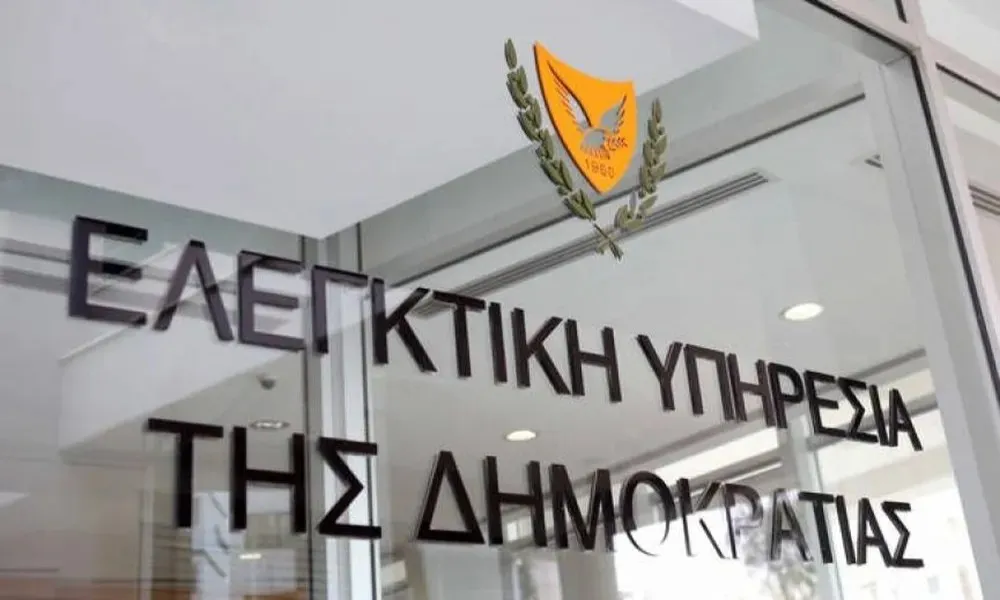
Auditor General Andreas Papaconstantinou’s response that “our service is independent, but not unaccountable” provides the right starting point for this discussion. No form of independence can be interpreted as immunity from accountability. At the same time, however, no system of oversight should be transformed into political supervision of an institution that is meant to stand apart from the Executive, political parties and vested interests.
That is where the difficulty lies. The Audit Office cannot operate as a state within a state. Yet neither can it be placed under the effective control of MPs, who represent political parties that are either in government or opposition today and may themselves become the subject of audit scrutiny tomorrow. Parliament has a role in exercising parliamentary oversight. It cannot, however, assume the role of supervisor of the Audit Office.
The public dispute has gained additional significance because of the position taken by Odysseas Michaelides. As Auditor General, he vigorously defended the independence of the Office and rejected any notion of external oversight. Today, as an MP and member of the House Audit Committee, he appears to approach the same issue differently. Every politician has the right to change their position. Nevertheless, such a shift inevitably raises questions, particularly when it concerns an institution he himself led until his removal by the Supreme Constitutional Court for inappropriate conduct.
The real issue is not who wins a personal confrontation. The real issue is establishing clear boundaries. The Audit Office must be accountable for its management, procedures, transparency and the quality of its work. It should not, however, be subject to political scrutiny over its professional judgment, its findings or its choice of audits.
It is quite simple: on the one hand, an independent institution without accountability becomes dangerous. On the other hand, an auditing institution under political control becomes useless.