
Elections today – a celebration of democracy. Everyone is happy: some cautiously, others genuinely believing that things will change for the better. One can only hope they do: that the most capable candidates are elected and that parties with the best policies prevail.
However, a careful look at the European Union’s spring forecasts is enough to dampen any party mood. With growth already recorded at 3 per cent in the first quarter of the year and a projection of 2.3 per cent for the year as a whole, logic dictates that even if no recession is recorded in the coming quarters, many businesses and households will feel crisis‑like conditions first‑hand.
Think of it like the weather forecast on your phone, which shows a temperature of, say, 30 degrees Celsius, but the real‑feel temperature due to humidity is 40.
To put things in order, the economy is experiencing a slowdown in growth of around 40 per cent. In other words, it is shifting down a gear from 3.8 per cent to 2.3 per cent – and that alone is enough to be felt by Cypriot businesses and households. All the more so when many of them did not even feel last year that the economy was genuinely growing at 3.8 per cent.
And it is not that households and businesses are greedy or dissatisfied with growth close to 4 per cent. It is that much of the recorded spending related to burned forests, desalinated water, and compensation for bailed‑in depositors. Another reason the increase was not felt is that part of the growth comes from companies that are indeed based in Cyprus and contribute to the economy, but whose profitability does not, in reality, stem from domestic conditions. Think of something analogous to Amazon’s presence in Ireland.
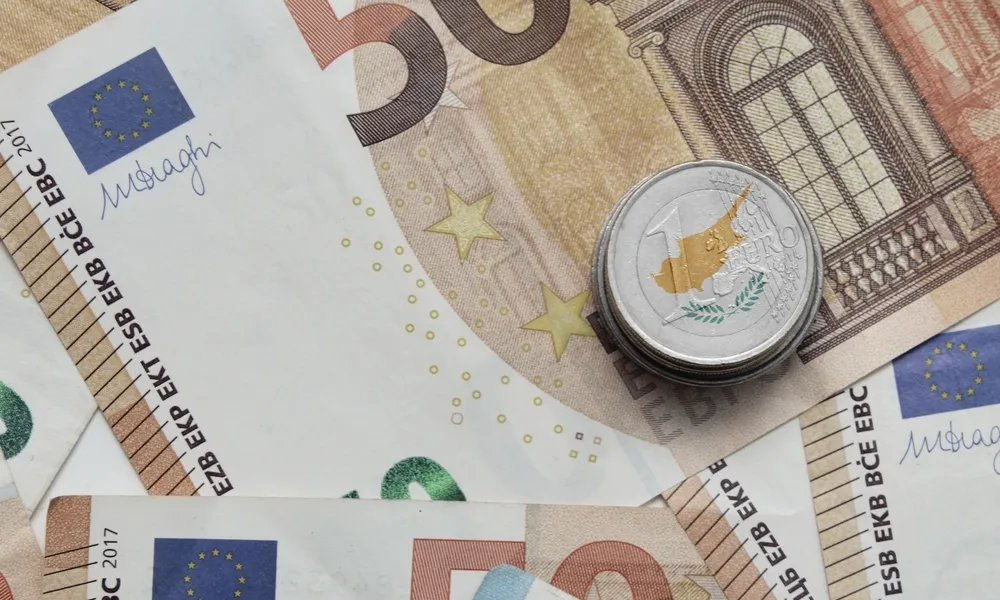
Moreover, combined with inflation expected to remain above 3 per cent according to the EU, and the possibility of another interest‑rate hike by the European Central Bank, we may ultimately see not higher consumption and growth, but lower consumption at higher prices. Lower consumption not only due to fewer tourists, but also because of the limited capacity of domestic households and businesses.
On this basis, 2.3 per cent is genuinely too little for the Cypriot economy not to feel pain. And to be fair to Cyprus, this problem also affects other European states, which for now appear satisfied simply because they avoided recession with even lower growth than ours.
In other words, European governments do not seem willing to adopt economic stimulus measures – at least not at the levels seen during the Covid‑19 period or after Russia’s invasion of Ukraine. Based on what was said on Friday at the joint press conference of EU institutions in Nicosia, no one wants to inject liquidity into the market at this moment, for fear of reigniting inflationary pressures.
Even more concerning is the fear that, even if money were channelled into the economy, it would not translate into growth, as it could not be supported by available – or rather unavailable – quantities of oil.
Against this backdrop, businesses, the state and households must be extremely cautious with their spending, seeking to achieve the maximum possible outcome from every euro.
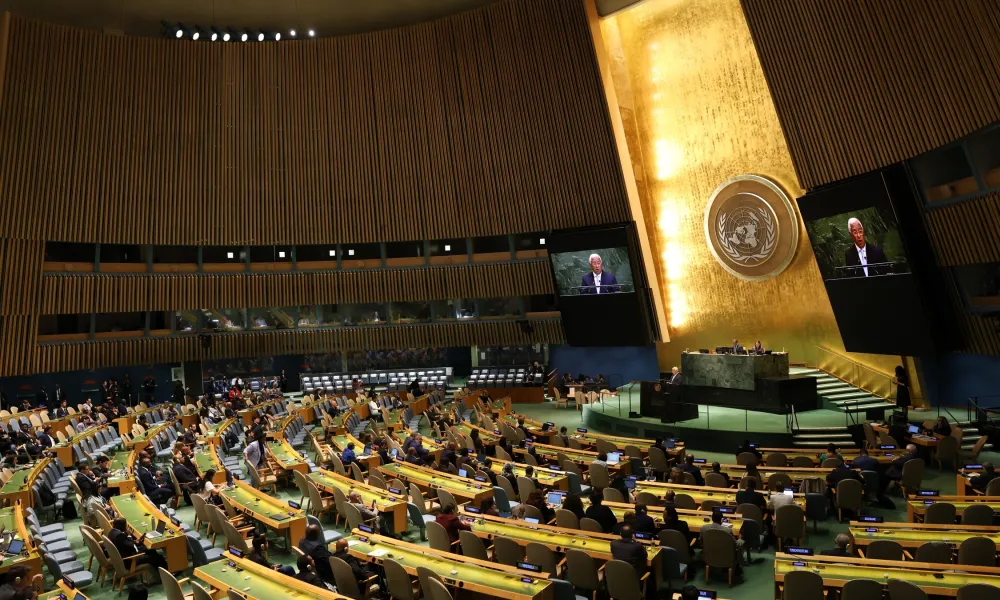
The new composition of parliament, as it emerges tonight, has a duty to cooperate closely with institutions and the government. It must not entertain illusions that a fresh popular mandate can alter reality by overlooking the message of the numbers.
Those elected would do well not to plan long summer holidays, as they may need to work overtime alongside the Ministries of Finance, Commerce and Labour. After all, only university lecturers and schoolteachers are entitled to longer holidays than them – and it would be a shame for those entering parliament full of enthusiasm to end up on beaches instead of in the chamber.
Happy voting and good luck to the best.