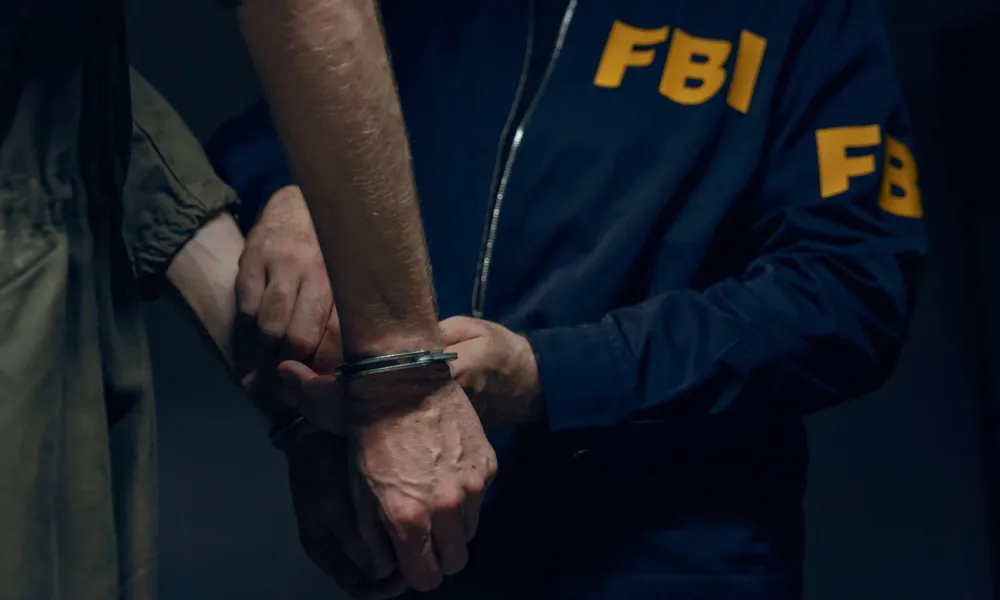

A Saudi Arabian engineer employed by OpenAI has been arrested in the United States after allegedly planting a covert recording device inside a meeting room used by company executives, in a case that US officials have described as having national security implications.
Arrest and charges
The engineer, Abdulrahman Alfozan, 35, was arrested on 9 October and appeared before a federal judge in San Francisco on Tuesday.
He has been charged with interception of communications, according to the US Department of Justice. At this stage, prosecutors have not accused him of espionage or theft of trade secrets.
If convicted, he faces a prison sentence of up to five years. He remains in custody pending a further hearing scheduled for 19 October.
Device hidden in meeting room
According to court documents, OpenAI security personnel discovered the device on 30 September.
Investigators say it had been:
- Connected to a television via a USB port.
- Hidden inside a roll of toilet paper.
- Installed two days earlier.
- Containing encrypted recordings.
The meeting room was reportedly used for discussions involving AI research, product development and meetings with government officials.
Investigation findings
Court filings allege that before installing the device, Alfozan collected information about meeting rooms, booking schedules and locations used by senior executives.
Investigators also claim that an AI assistant account linked to his wife was used to search for information about:
- Building recording devices.
- Capturing conversations in real time.
- Encrypting memory cards.
Authorities said some of the searches closely matched features found in the recovered device.
A second, similar device was reportedly discovered in a bag belonging to the engineer.
OpenAI response
OpenAI notified the FBI after discovering the device and said the company used AI tools as part of its internal investigation.
A company spokesperson stated there is no evidence that Alfozan gained access to:
- Model weights.
- Source code.
- Customer data.
OpenAI said it progressively restricted the engineer's access before dismissing him on 9 October in coordination with investigators.
National security concerns
US officials have highlighted the broader significance of the case.
Director of National Intelligence Jay Clayton described it as an example of why the United States must prevail in the global race for advanced artificial intelligence, while federal prosecutor Craig Missakian said the matter raised national security concerns and involved potential foreign threats.
According to his LinkedIn profile, Alfozan is an MIT graduate who also holds a master's degree from University of California, Berkeley, and previously worked at Meta before joining OpenAI in July 2025.
Source: ANA-MPA