
Turkey’s pro-government Sabah newspaper has questioned whether the reported revival of the 5+1 format for the Cyprus issue could open a new chapter in negotiations, and, more importantly, on what basis any potential talks could take place.
The newspaper highlights the differing positions of the two sides, with Ankara and the Turkish Cypriot side advocating “sovereign equality” and a two-state solution, while the Greek Cypriot side supports the agreed basis of a bi-zonal, bi-communal federation, as provided for in relevant United Nations resolutions.
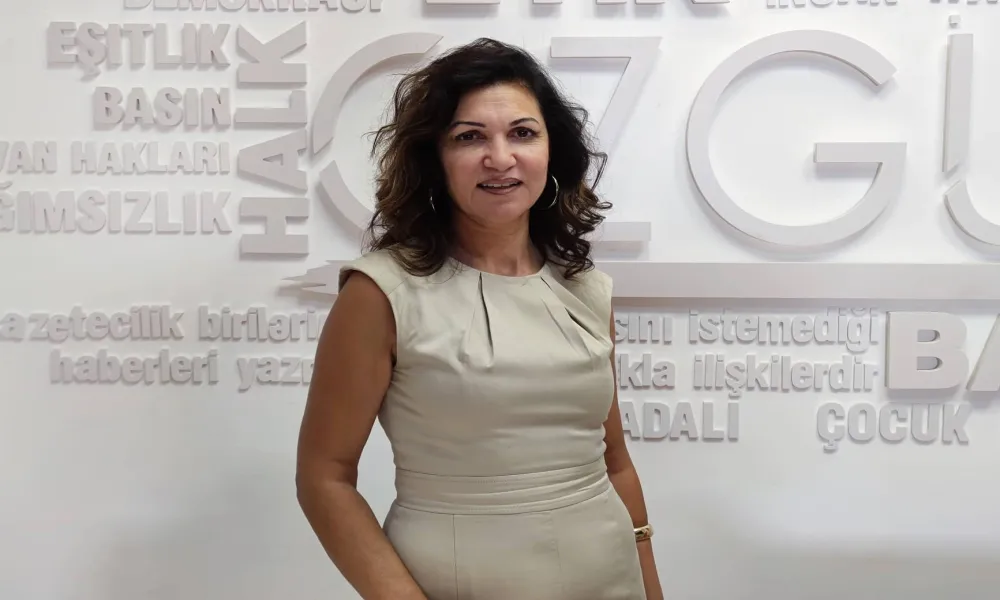
Speaking to Sabah, international law associate professor Emete Gözüyüzügüzel linked the timing of renewed diplomatic activity to wider geopolitical developments in the Eastern Mediterranean.
She argued that regional tensions, energy exploration and defence cooperation between Greece and the Republic of Cyprus and other countries make renewed diplomatic engagement increasingly necessary.
Criticisms
Gözüyüzügüzel was highly critical of previous efforts to resolve the Cyprus issue and said references by former UN Secretary-General António Guterres to “method, content and preparation” should be understood as indicating the need to first agree on the basis for any future process.
She said Turkey and the Turkish Cypriot side’s position on a two-state solution and “sovereign equality” had become Ankara’s main point of reference.
The academic also described Turkey’s guarantees in Cyprus as “non-negotiable”, arguing that they represented a key security element for Turkish Cypriots.
According to Gözüyüzügüzel, the difference compared with previous rounds of negotiations is that Turkey now believes it has more strategic and diplomatic tools at its disposal in the region.
She pointed to Turkey’s energy activities in the Black Sea and Eastern Mediterranean, as well as Ankara’s role in Libya and Syria, arguing that these developments had strengthened Turkey’s position at the negotiating table.
5+1 format at centre of renewed diplomatic activity
The 5+1 format is given particular importance by the Turkish side because it brings together the two sides in Cyprus, the three guarantor powers — Greece, Turkey and Britain — and the United Nations.
Gözüyüzügüzel said Turkey would enter any new process insisting on both its rights as a guarantor power and the presence of Turkish forces on the island.
The Sabah report also focuses on energy developments in the Eastern Mediterranean. The Turkish academic argued that maritime zones, drilling activities and energy projects could not be separated from the Cyprus issue.
She reiterated the Turkish position that Turkish Cypriots should participate in the management and distribution of revenues from hydrocarbons.
CBM's
Among potential confidence-building measures, Gözüyüzügüzel cited the launch of direct flights to the north of Cyprus, the lifting of restrictions affecting ports in the north and the establishment of a joint committee on energy revenues.
Despite the renewed diplomatic activity, however, she said it was still too early to describe the current situation as the beginning of a comprehensive settlement process.
Instead, she characterised the current phase as one of “diplomatic contacts”, during which the sides are exploring whether sufficient common ground exists for the process to move forward.
She suggested that failure to make progress could lead the Turkish side to intensify efforts to secure international recognition for the breakaway Turkish Cypriot entity. A second possible scenario, she said, would be discussions on “models of cooperation between two separate entities”.
The coming weeks, and particularly contacts expected towards the end of August, are therefore likely to indicate whether the renewed diplomatic activity will remain limited to another round of exploratory contacts or create the conditions for a new negotiation process, the report said.
Source: CNA