Every year on July 1, International Joke Day encourages people to celebrate the simple pleasure of laughter. Whether it involves sharing a joke with friends, revisiting a favourite comedy or exploring the history of humour, the occasion offers a reminder that laughter remains one of life's universal languages.
According to Guinness World Records, the oldest known joke dates back to ancient Sumer around 1900 BC and centres on a piece of toilet humour, evidence that some things never change.
Yet for many comedy fans, the conversation inevitably leads to Monty Python and what is often described as the funniest joke never actually told.
The joke that killed
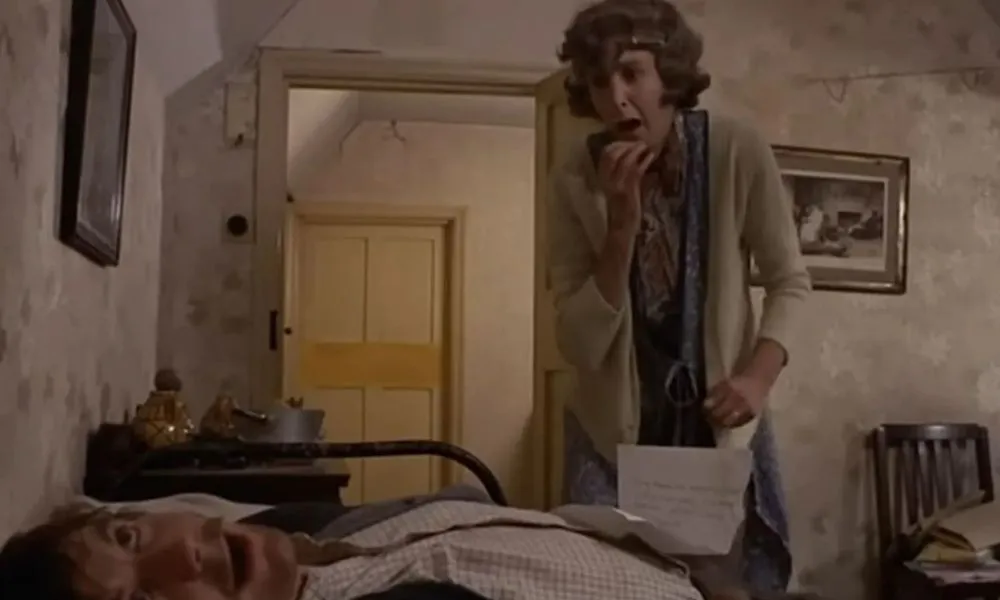
The sketch, known as Joke Warfare or The Killer Joke, appeared in the very first episode of Monty Python’s Flying Circus in October 1969.
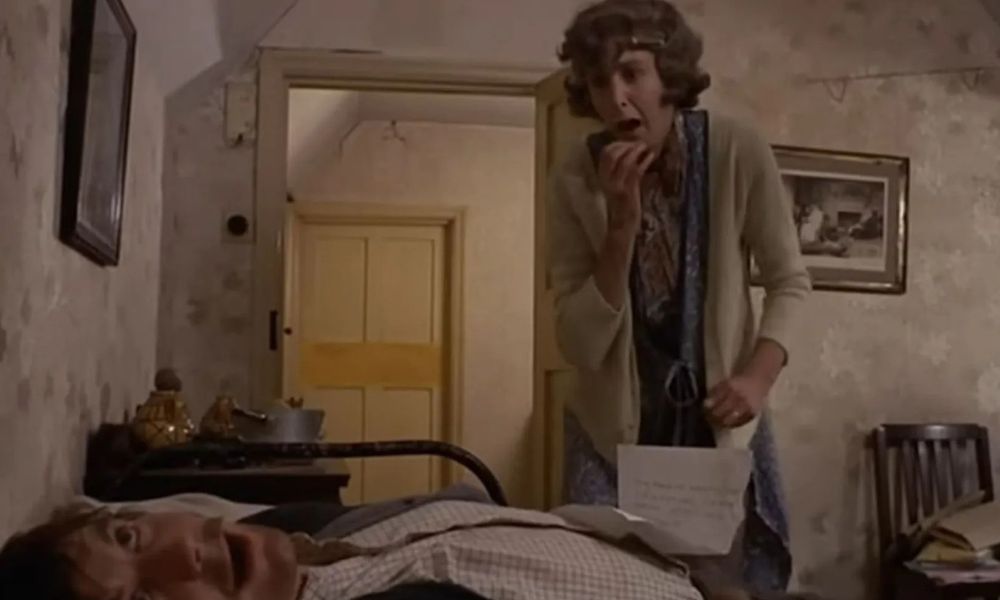
Presented as a mock documentary, it tells the story of a joke so devastatingly funny that anyone who reads or hears it instantly dies from uncontrollable laughter.
The joke is written by Ernest Scribbler, played by Michael Palin. Moments after reading his own creation, he collapses laughing. His mother then discovers the note, reads it and suffers the same fate.
From comedy to weapon
As the sketch unfolds, the British military discovers the joke and recognises its potential as a weapon during the Second World War.
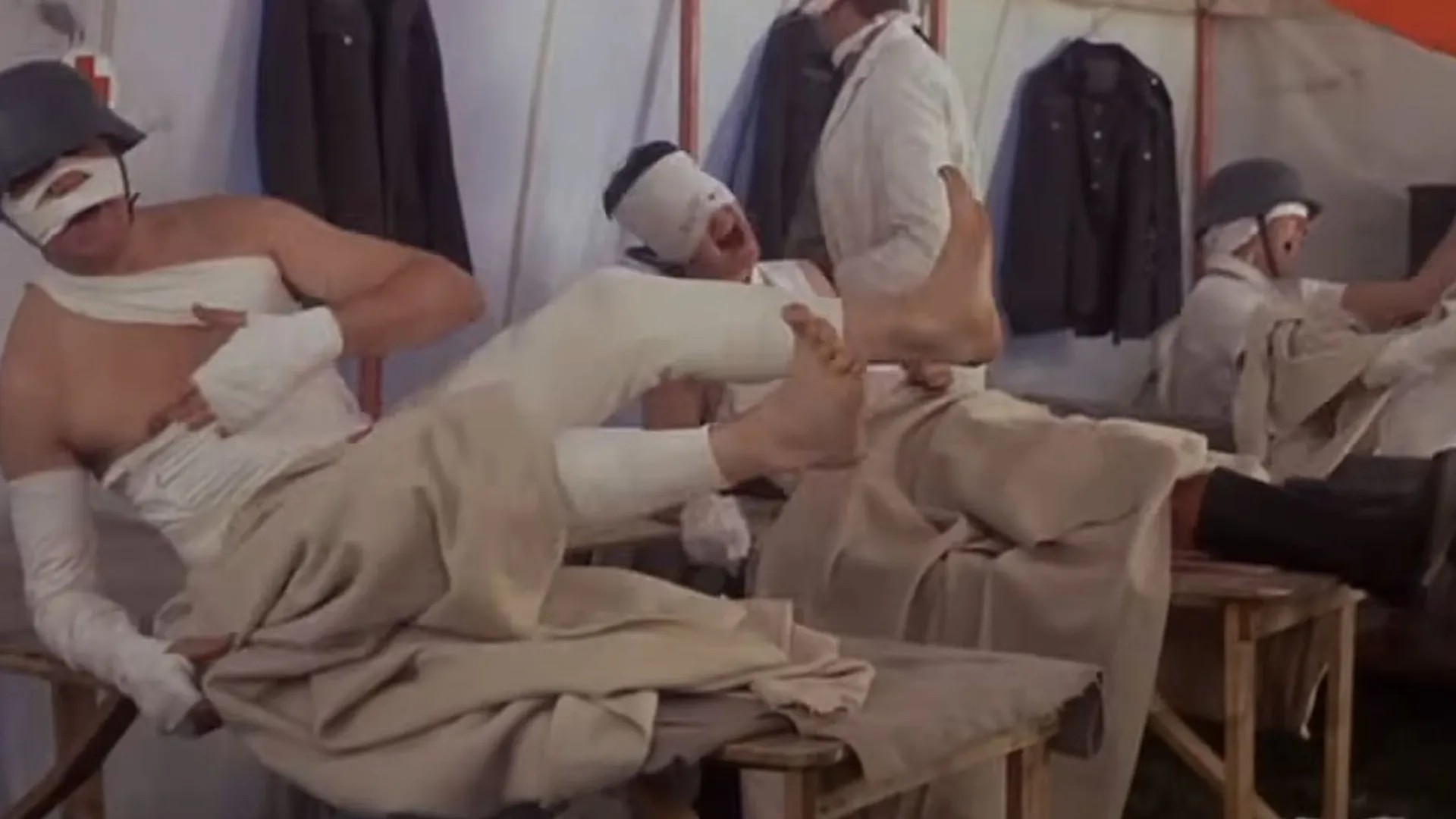
To prevent accidental deaths, the joke is translated into German under strict security measures. Each translator is allowed to work on only a single word at a time, with one unfortunate translator reportedly exposed to two words and hospitalised for weeks.
The weaponised joke is then unleashed on German troops with spectacularly absurd results, as soldiers collapse in fits of laughter across battlefields and military hospitals.
Germany strikes back
Not to be outdone, the Germans attempt to develop their own comic counter-weapon.
One effort sees Adolf Hitler delivering a supposedly devastating joke, while another involves an absurd peanut-related gag broadcast over the radio.
Neither succeeds in matching the destructive power of Britain's secret weapon.
The joke nobody hears
The brilliance of the sketch lies in its central premise: the audience never learns the actual joke.
The English original remains a mystery throughout. Only the supposed German translation is heard, and even that turns out to be a collection of nonsensical, made-up words:
"Wenn ist das Nunstück git und Slotermeyer? Ja! Beiherhund das Oder die Flipperwaldt gersput!"
The phrase is intentionally meaningless, perfectly capturing Monty Python's love of surreal and illogical humour.
A reminder to laugh
Years later, former Python member Terry Gilliam reflected on the importance of humour in modern life, arguing that people have become increasingly reluctant to laugh at themselves.
For Gilliam, comedy works because human beings are inherently absurd creatures, constantly taking themselves too seriously while stumbling through life.
That idea sits at the heart of The Killer Joke: a sketch that mocks war, bureaucracy, nationalism and comedy itself, all while refusing to provide an actual punchline.
More than 50 years after it first aired, it remains one of Monty Python's most celebrated creations, and perhaps the funniest joke that nobody ever gets to hear.
Happy International Joke Day.
Source: euronews