
Convincing children to eat their vegetables is a challenge faced by parents around the world. From refusing anything green to surviving on a limited range of familiar foods, picky eating is a common part of childhood.
Scientists say, however, that children's food preferences are not fixed. Studies show that parents can gradually encourage healthier eating habits through a number of practical strategies that reduce resistance and build familiarity with vegetables.
Start early and keep trying
Experts say repeated exposure is one of the most effective ways to increase acceptance of vegetables. Research has found that repeatedly offering the same vegetable over time can increase both acceptance and consumption among infants and young children.
Children often need to see and taste the same food multiple times before they become comfortable with it. The earlier this process begins, the better the chances of success. Researchers note that preferences can start forming even before birth, as flavours from a mother's diet may influence a baby's later food choices.
Serve vegetables when children are hungriest
Timing can make a significant difference.
Offering vegetables before the rest of a meal, when children are most hungry, can increase the likelihood that they will eat them. Once they have filled up on favourite foods, vegetables tend to be left untouched.
Adding vegetables to breakfast can also help broaden children's exposure to healthier foods throughout the day.
Adjust what is on the plate
Parents do not always need to overhaul meals completely.
Simply increasing the proportion of vegetables and reducing higher-calorie ingredients can encourage greater consumption. Vegetables can be served as larger side dishes or incorporated into meals through sauces, soups and other recipes.
Studies suggest that children naturally eat more vegetables when larger portions are available or when they are offered a choice of different vegetables.
Make healthy foods more attractive
Children often judge food by appearance before they taste it.
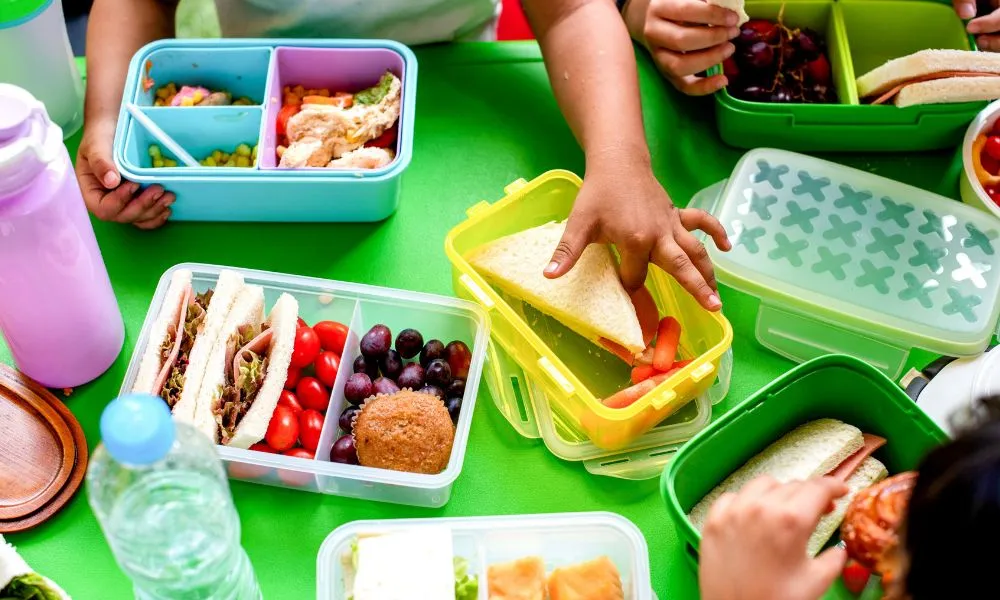
Research indicates that vegetables and fruits presented in creative ways are more appealing to young children. Colourful displays, fun shapes and visually interesting arrangements can increase curiosity and encourage tasting.
Ready-to-eat portions placed within easy reach may also make healthy snacks more appealing.
Set the example
Children closely observe the eating habits of adults.
Parents who regularly consume fruits and vegetables are more likely to have children who do the same. Family meals provide opportunities to model positive eating behaviours and create healthy routines around food.
Research has also shown that longer family mealtimes can increase children's fruit and vegetable intake, highlighting the importance of shared eating experiences.
Remove pressure and encourage exploration
Experts warn that forcing children to eat certain foods can be counterproductive.
Instead, giving children opportunities to explore foods through touch, smell and observation can help reduce fear of unfamiliar ingredients. Research shows that sensory-based activities can make children more willing to try fruits and vegetables and reduce food neophobia.
Involving children in meal preparation can have a similar effect. Helping with cooking often increases interest in ingredients and makes children more open to tasting foods they may have previously rejected. Sensory food education programmes have likewise been linked to greater willingness among children to choose and eat fruits and vegetables.
Ultimately, specialists recommend creating a relaxed and positive environment around food. Small daily experiences, rather than pressure or rewards, appear to be the most effective way of helping children develop a lasting taste for vegetables.