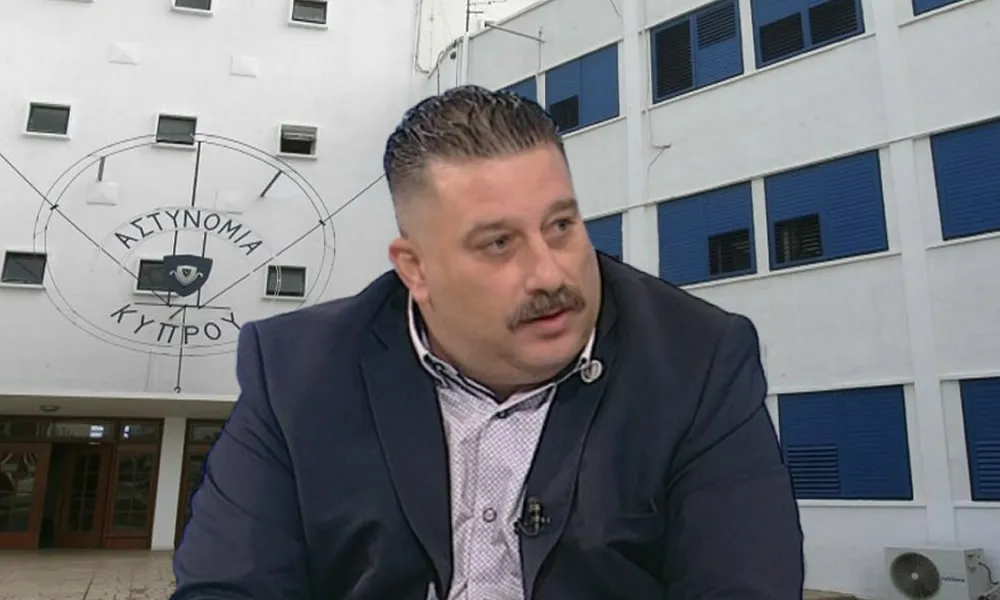

Police union representative Nicos Loizides has called for reform of Cyprus' mental health legislation, describing what he said is a traumatic and outdated process for handling people experiencing severe mental health crises.
Speaking before the House Health Committee, the vice-president of the ISOTITA union and head of its police branch outlined the role officers are currently required to play when compulsory psychiatric treatment orders are issued.
"We become psychologists"
Loizides said officers are often the first responders when a person is in crisis, forcing them into roles normally performed by healthcare professionals.
"We go to homes, break down doors, act as psychologists for parents, put handcuffs on patients and transport them to hospital," he said.
According to Loizides, the process frequently involves multiple transfers between homes, hospitals, courts and police stations before a patient reaches psychiatric care.
Concerns over treatment of patients
He described cases in which patients judged by medical professionals to require compulsory psychiatric admission end up spending the night in police custody while legal procedures continue.
In some instances, he said, patients sleep in police cells or on the floor while awaiting court processes.
Loizides argued that such arrangements are inappropriate for people already assessed as needing psychiatric treatment.
Officers facing difficult situations
The police union official also highlighted the challenges officers face when attempting to calm people in crisis without support from mental health professionals.
He said many officers are effectively required to act as psychiatrists, psychologists and carers during volatile situations.
Loizides additionally claimed that police vehicles have been damaged during incidents involving distressed individuals, underscoring the pressures placed on frontline officers.
Proposal for video hearings
Among the measures suggested was greater use of technology.
Loizides proposed allowing judges to conduct parts of the process remotely through videoconferencing, reducing the need for repeated transfers between hospitals and courts for individuals already in crisis.
He urged lawmakers to review the current legal framework governing compulsory psychiatric care and reconsider the role assigned to police officers under existing legislation.
The discussion took place during a parliamentary examination of mental health services and the operation of Cyprus' psychiatric care system.