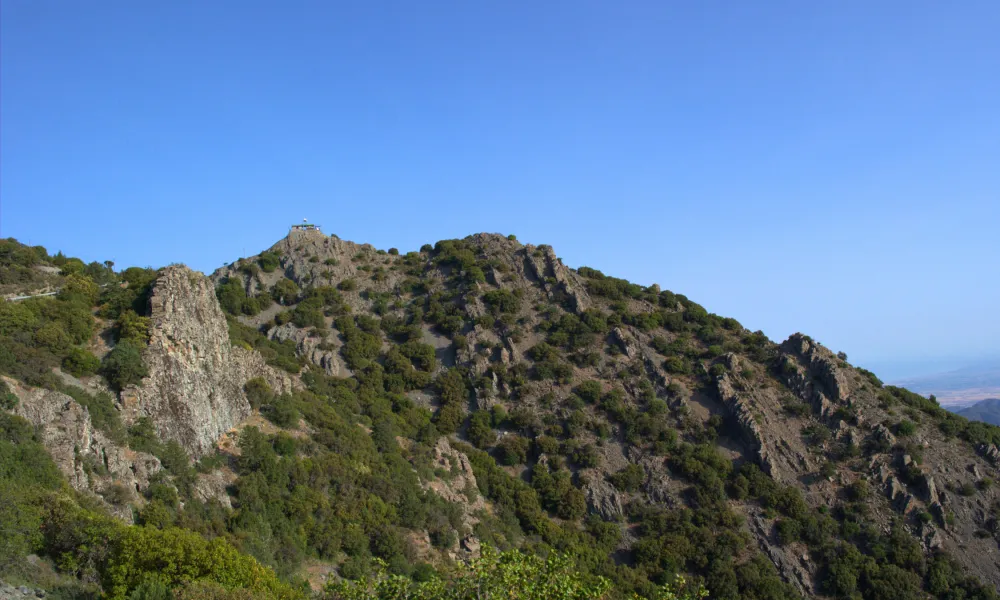

Cyprus has traditionally built its tourism identity around sun, sea and its favourable climate, but its extraordinary geology could offer another way to attract visitors looking for nature, authenticity and a deeper understanding of the places they visit.
According to environmental geologist Constantia Achilleos, geology could become the foundation for a more sustainable, diverse and higher-quality tourism model, with the Troodos Mountains providing one of the island’s greatest untapped advantages.
From curiosity to a career
For Achilleos, geology extends beyond the study of rocks and geological formations. It offers a way to understand Cyprus itself, its history and the relationship between people and the natural environment.
With more than 20 years of experience in environmental research, education, science communication and geotourism development, she has dedicated a significant part of her career to promoting Cyprus’ geological heritage.
Through educational activities, awareness programmes and experiential learning, she seeks to bring residents and visitors closer to geology and present it as an integral part of the island’s cultural and natural identity.
Her interest began long before her university studies and professional career. Her childhood memories are closely connected with nature, trips to the countryside and constant curiosity about what she saw around her.
The different colours of rocks, mountain formations and the movement of water through rivers raised questions that she would later find answers to through geology.
For Achilleos, the science revealed that every landscape is the product of a history spanning millions of years, one that has not ended but continues to evolve today.
The geology of Troodos
At the centre of Achilleos’ interest is Troodos, an area scientists consider geologically exceptional on a global scale.
The Troodos ophiolite complex is one of the world’s most important geological formations. It consists of part of an ancient oceanic crust created around 90 million years ago on the floor of the ancient Tethys Ocean and later uplifted above sea level.
Its significance lies partly in the rare opportunity it provides to observe structures from within the Earth’s crust.
While scientists would normally need to investigate kilometres beneath the ocean floor to study comparable geological structures, in Troodos they can examine them close to the surface.
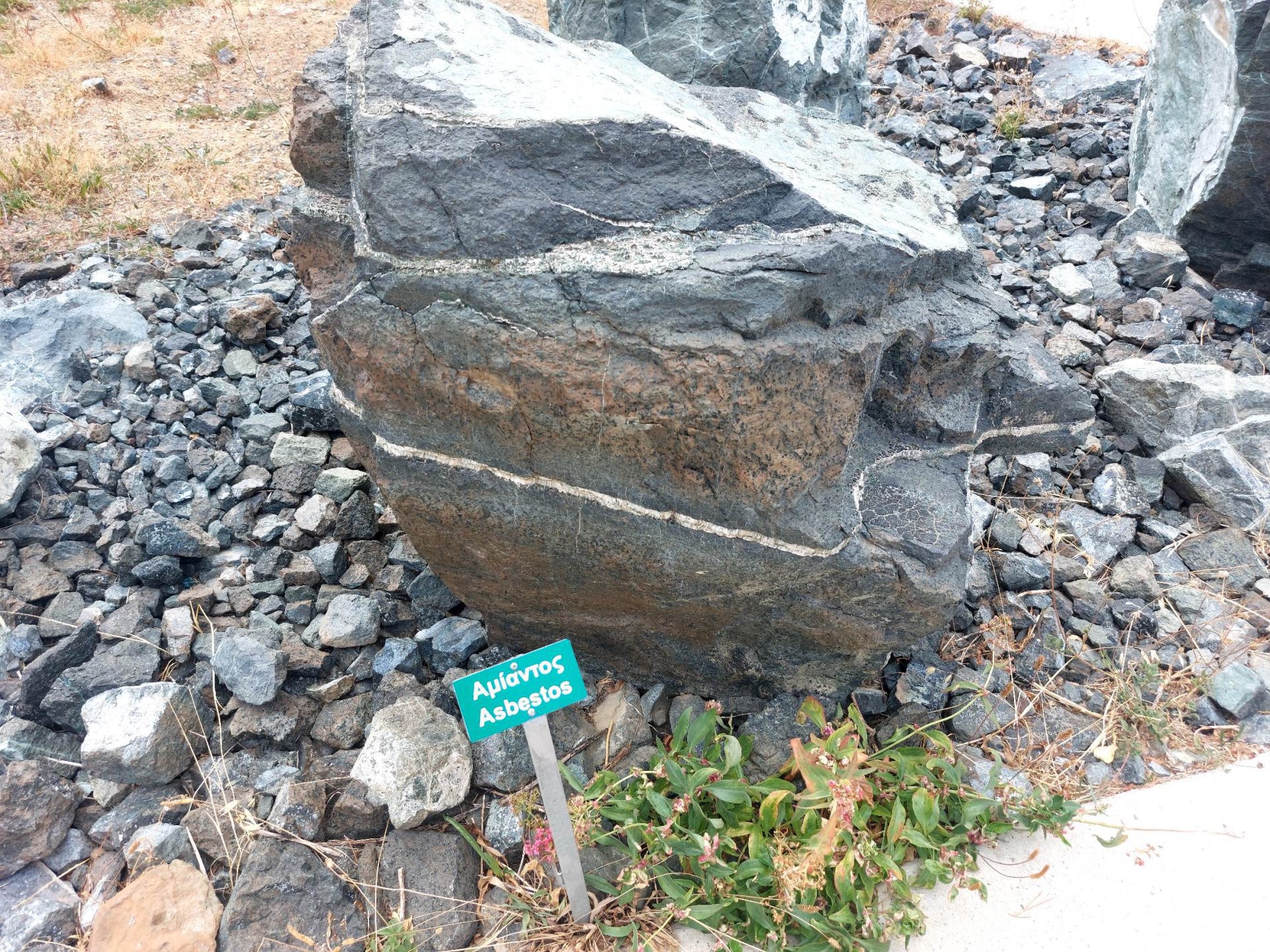
The Troodos UNESCO Global Geopark contains hundreds of sites of geological interest.
Among its most distinctive features are pillow lavas, formations created by underwater volcanic eruptions that retain their characteristic curved shapes today. They provide visible evidence that what is now the Troodos mountain range once lay beneath an ocean.
Another important feature is the sheeted dyke complex, a network of solidified magma that reveals how ancient volcanic eruptions were supplied.
These geological structures allow visitors to directly observe evidence of processes that shaped the planet tens of millions of years ago.
Mining tells another part of Cyprus’ story
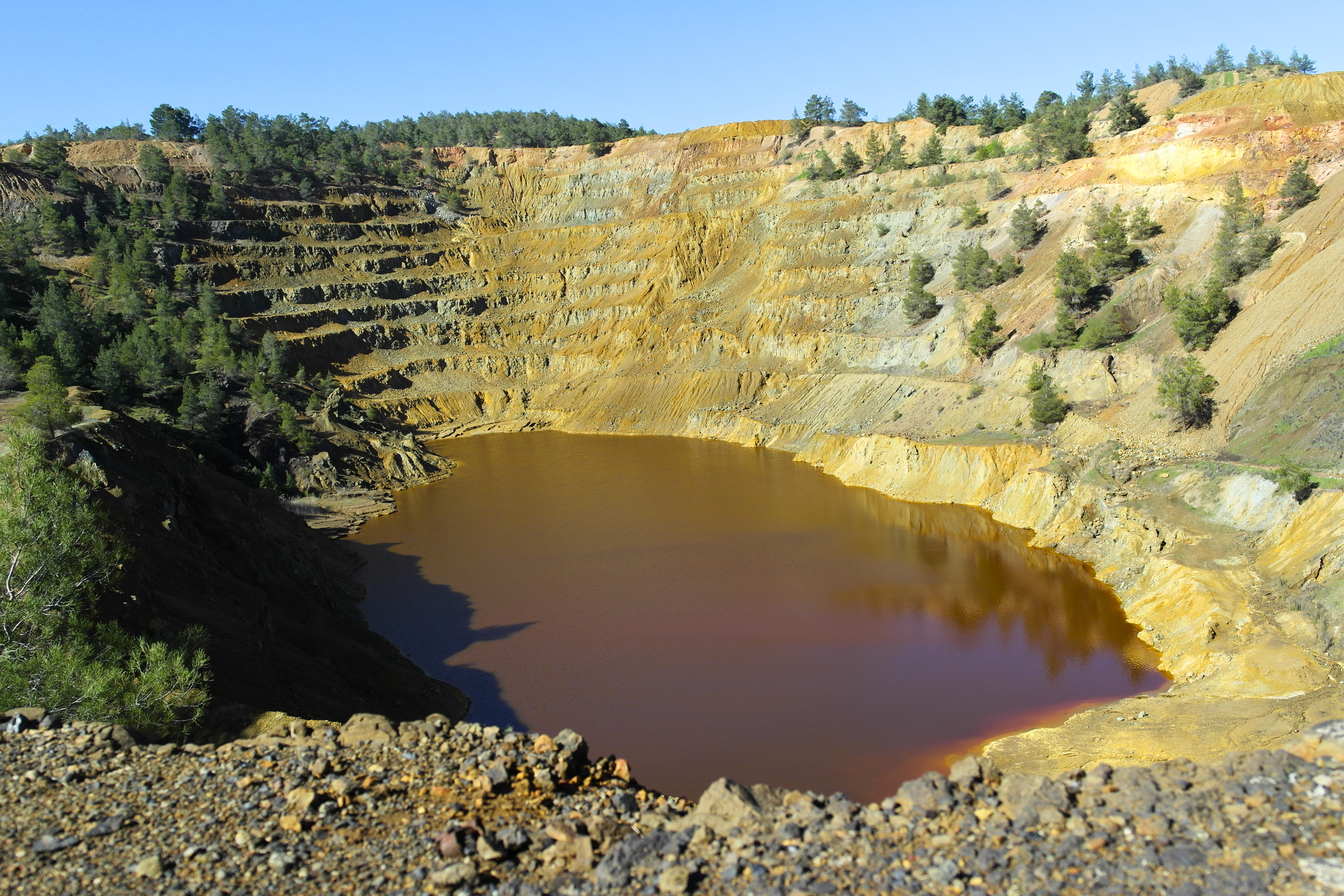
The region’s former mines reveal another dimension of Cyprus’ history.
Copper and other minerals extracted from Troodos played an important role in the island’s economic development from antiquity through to more recent times.
Cyprus became so closely associated with copper that the Latin term “cuprum” has a historical connection with the name of the island.
Gorges, waterfalls and sulphur springs also form part of Troodos’ geological story.
These natural landscapes function as open-air laboratories, exposing layers of rock and geochemical processes that continue to develop today.
Towards a different tourism model
A formative experience for Achilleos was the two years she spent working at the Troodos Geopark Visitor Centre.
There, she saw that geology could be made understandable and engaging for a broad audience when presented through storytelling, hands-on activities and connections with everyday life.
Her contact with visitors from different countries convinced her that Cyprus possesses a significant but still underused tourism advantage.
Troodos does not have to appeal only to scientists and researchers. It can also become a destination for nature lovers, hikers, schoolchildren, families and travellers looking for experiences beyond the traditional tourism model.
Achilleos promotes a place-based approach, connecting the natural environment with culture, local production, architecture, traditions and the everyday lives of local communities.
Geology is everywhere in Troodos
In Troodos, geology influences virtually every aspect of the landscape.
It shapes the mountains, affects agricultural cultivation, determines the materials traditionally used to build villages and is closely connected with the island’s long history of mining.
Achilleos believes these connections could underpin a tourism model that respects the environment, supports local communities and gives visitors a more meaningful understanding of Cyprus.
Rather than experiencing a landscape only for its appearance, visitors could learn how it was created, how geology influenced the communities that developed there and how it continues to shape local life.
Geological heritage as an investment
Achilleos argues that protecting geological heritage should not be regarded as a luxury but as a necessary investment in Cyprus’ future.
At a time when climate change, biodiversity loss and growing pressure on natural resources are at the centre of international discussion, understanding geological processes can contribute both to environmental management and sustainable development.
Through her work, Achilleos seeks to promote Cyprus’ geological and natural heritage as a tool for knowledge, awareness and development, capable of inspiring schoolchildren, local communities, visitors and decision-makers.
“Troodos is not simply a mountain. It is the history of Cyprus written in stone,” she said.
That history written in stone could become one of the most authentic stories Cyprus has to offer the modern visitor, connecting the island’s distant past with its present and providing a foundation for a more sustainable and higher-quality future for Cyprus’ tourism industry.