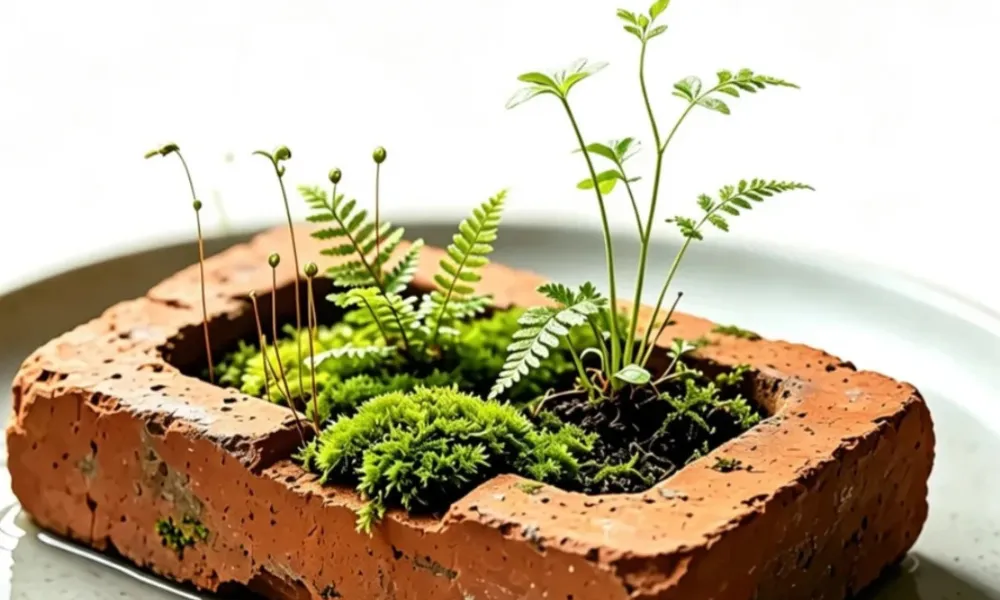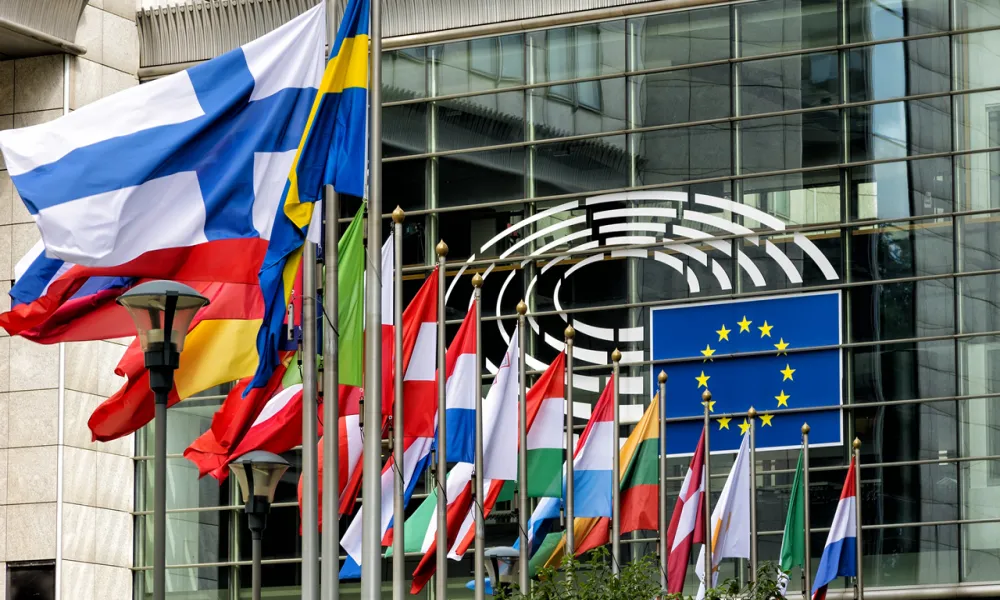

Cyprus is submitting its draft national nature restoration plan to the European Commission on Tuesday, outlining how it intends to restore degraded ecosystems under binding EU targets.
The plan will detail measures to be implemented by 2030, alongside a strategic overview of the country’s objectives and planned actions through 2040 and 2050.
Binding restoration targets
The submission marks an important stage in implementing the EU Nature Restoration Regulation, which entered into force in August 2024, according to the European Commission’s Directorate-General for Environment.
National restoration plans are the main tool through which EU member states will organise measures to meet the regulation’s targets.
Restoration efforts are intended to strengthen ecosystems against drought, heatwaves, floods and wildfires.
The plans must also identify links with other European policies and legislation covering water, climate change, agriculture, forestry, marine environments and fisheries.
Commission to assess draft plans
The plans submitted at this stage are preliminary. Over the coming months, the European Commission, supported by the European Environment Agency, will assess them and provide observations to member states.
The evaluation will be conducted in cooperation with national authorities, while the final restoration plans must be completed within one year.
The Commission’s observations on the drafts will be made public, although responsibility for the final content will remain with each member state.
The regulation allows countries to adapt their plans to their particular ecological, geographical and socioeconomic circumstances.
Member states may also use existing policies and measures to avoid duplication, while the plans can be reviewed and updated during their implementation.
Stakeholders involved in preparation
Many member states are preparing their plans through cooperation among government departments and consultations with interested parties, according to the Directorate-General for Environment.
In some cases, support schemes and public-private partnerships are also being developed to involve land managers, sea users and businesses in restoration measures.
The Commission said it would continue working with member states, stakeholders and the European Environment Agency during the next phase of the process.
Funding and the next EU budget
The Commission said the current Multiannual Financial Framework already provides several sources of nature-related funding. Member states, regions and municipalities also operate relevant programmes.
For the next Multiannual Financial Framework, covering 2028 to 2034, the Commission has proposed that national restoration plans be explicitly included in the target of allocating 35% of spending to climate and environmental objectives.
The target would apply both to National and Regional Partnership Plans and to the EU budget as a whole.
The Commission will present further analysis of funding needs and available resources after the plans have been submitted and negotiations on the next financial framework have progressed sufficiently to clarify potential sources of EU funding.
Member states will also be expected to continue mobilising national resources and attracting private funding to implement their restoration plans.
Source: CNA