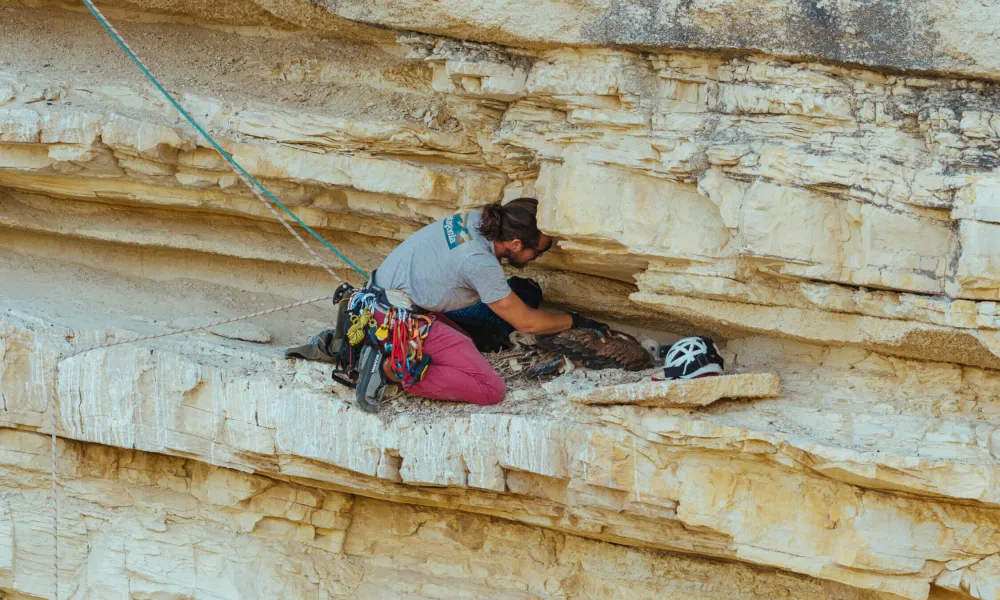

A young griffon vulture in Cyprus' Limnatis Valley has been fitted with a GPS transmitter, allowing conservationists to track its movements after it leaves the nest during a critical stage of its development.
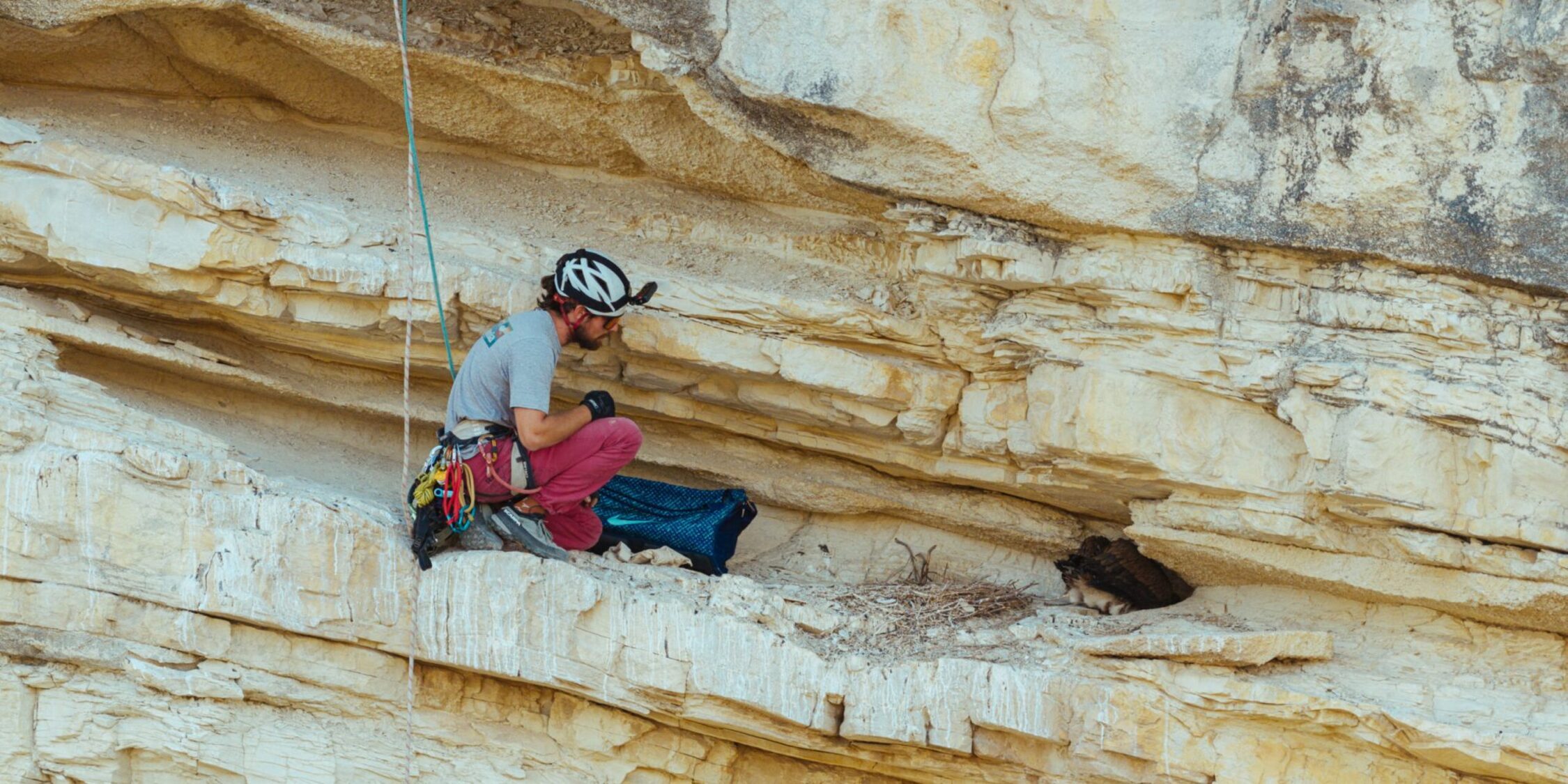
According to BirdLife Cyprus, the chick, the second to be tagged this year, hatched around mid-May in the Limnatis Valley Special Protection Area. Reaching the nest proved challenging because it is located on a steep cliff.
The operation was completed with the assistance of a professional climber, enabling conservation teams to safely access the nest and return the chick after the GPS transmitter was fitted by the Game and Fauna Service in cooperation with BirdLife Cyprus.
Both of the chick's parents are griffon vultures brought to Cyprus from Spain as part of efforts to strengthen the island's small population of the species.
Once the young bird leaves the nest, the GPS transmitter will allow conservationists to monitor its movements and gather data on the areas it visits and how it adapts to life outside the nest.
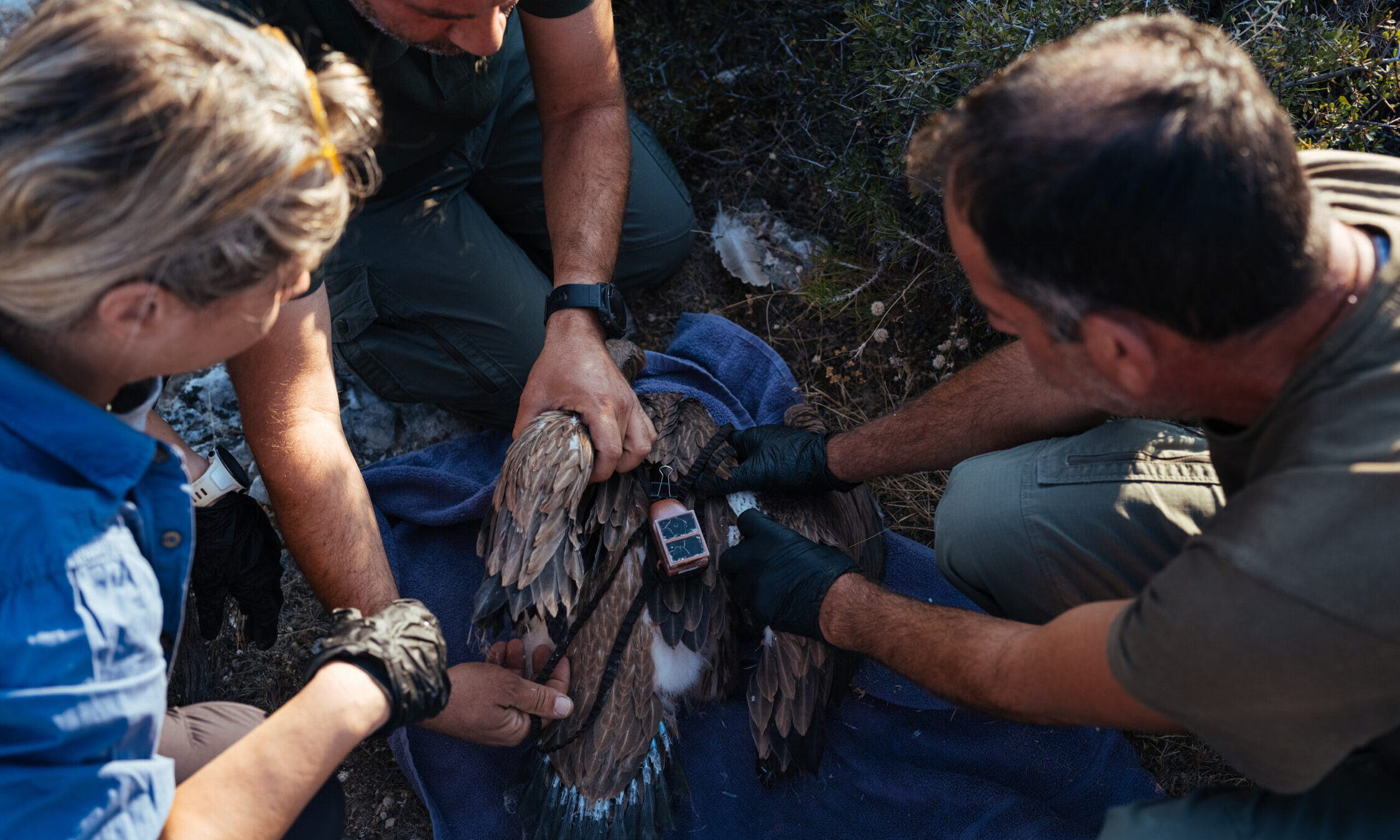
The tracking system will also enable teams to respond quickly if the bird encounters threats or requires assistance.
The first two to three months after fledging are considered particularly important, as young vultures learn to locate food, identify dangers and gradually integrate into the wider population.
The operation received support from the Embassy of Spain in Cyprus, which has backed griffon vulture conservation efforts on the island.
Three chicks in a significant year
Conservationists say this year has brought encouraging signs for the species. For the first time since 2021, three pairs of griffon vultures have bred successfully in Cyprus, resulting in the hatching of three chicks.
A third chick will not be fitted with a transmitter because access to its nest could endanger a chick in a neighbouring nest, conservationists said.
They said the recovery of the population requires sustained protection and long-term commitment, but this year's breeding success indicates that conservation measures are producing results.
The breeding success in the Limnatis Valley is seen as particularly significant. The last recorded griffon vulture breeding event in the protected area occurred in 2010.
Although vultures continued to use the valley as a roosting site in subsequent years, no breeding activity had been recorded there for more than a decade.
Conservationists said the return of breeding birds highlights the enduring importance of historic nesting areas and underscores the need to protect them as part of efforts to restore Cyprus' griffon vulture population.
The chick remains in its nest under the care of its parents and the observation of field teams as it prepares for its first flight.
Source: BirdLife Cyprus