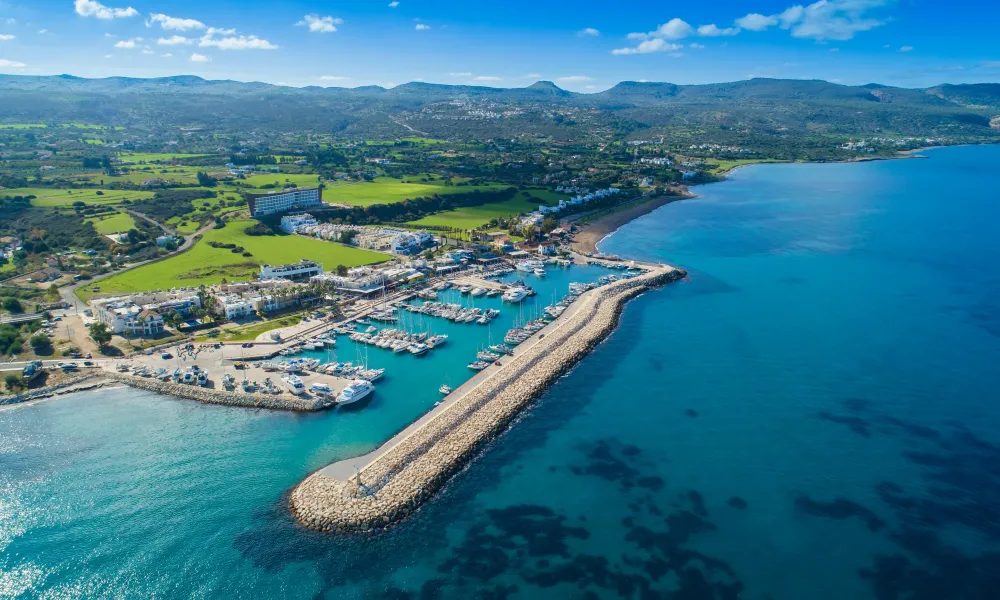

A proposed expansion of the port at Latchi is drawing mounting opposition from environmental groups, which warn the project could cause irreversible damage to sensitive marine habitats, sea turtle nesting beaches and Mediterranean monk seal breeding areas in Chrysochou Bay.
Cyprus' Department of Environment is expected to issue its assessment in early August, a key step before the Cyprus Ports Authority can proceed with a tender for the estimated €41.5 million project.
The proposal would add 186 berths for leisure and fishing vessels of up to 40 metres in length. Under the current plans, the new basin would primarily serve private recreational boats, while the existing 350-berth harbour would continue to cater mainly for fishing vessels and tourism-related activities.
Commercial over public interests
Environmental organisations argue this strengthens concerns that the expansion would primarily benefit specific commercial interests rather than the wider public.
The project under review includes the construction of new windward and leeward breakwaters, quay infrastructure, dredging works, the creation of new reclaimed land and beachfront areas, road and utility infrastructure, and hydraulic works affecting the nearby river mouth.
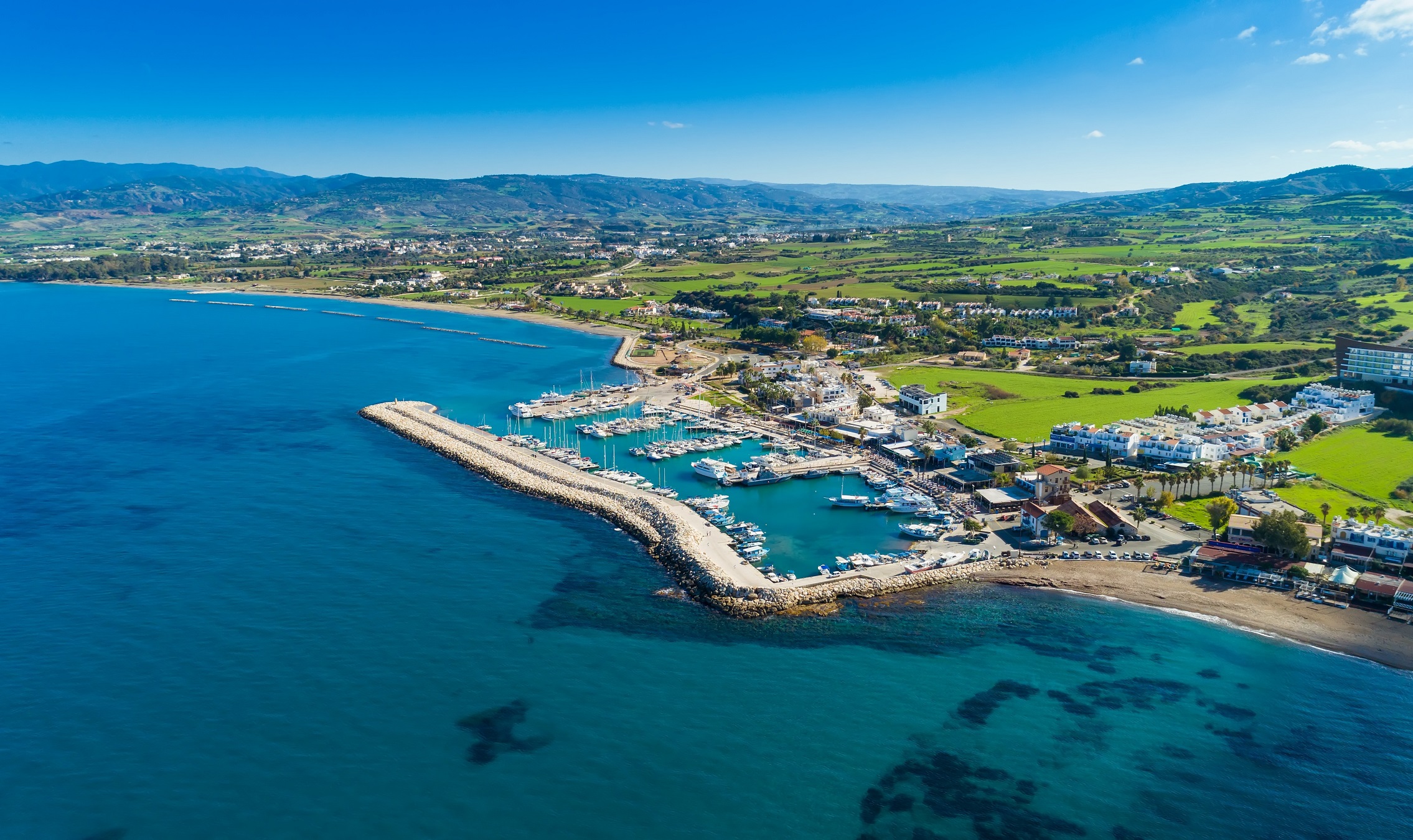
Critics say the development could fundamentally alter the natural character of Chrysochou Bay, which lies between the environmentally sensitive Akamas Peninsula to the west and the Tillyria Peninsula to the east.
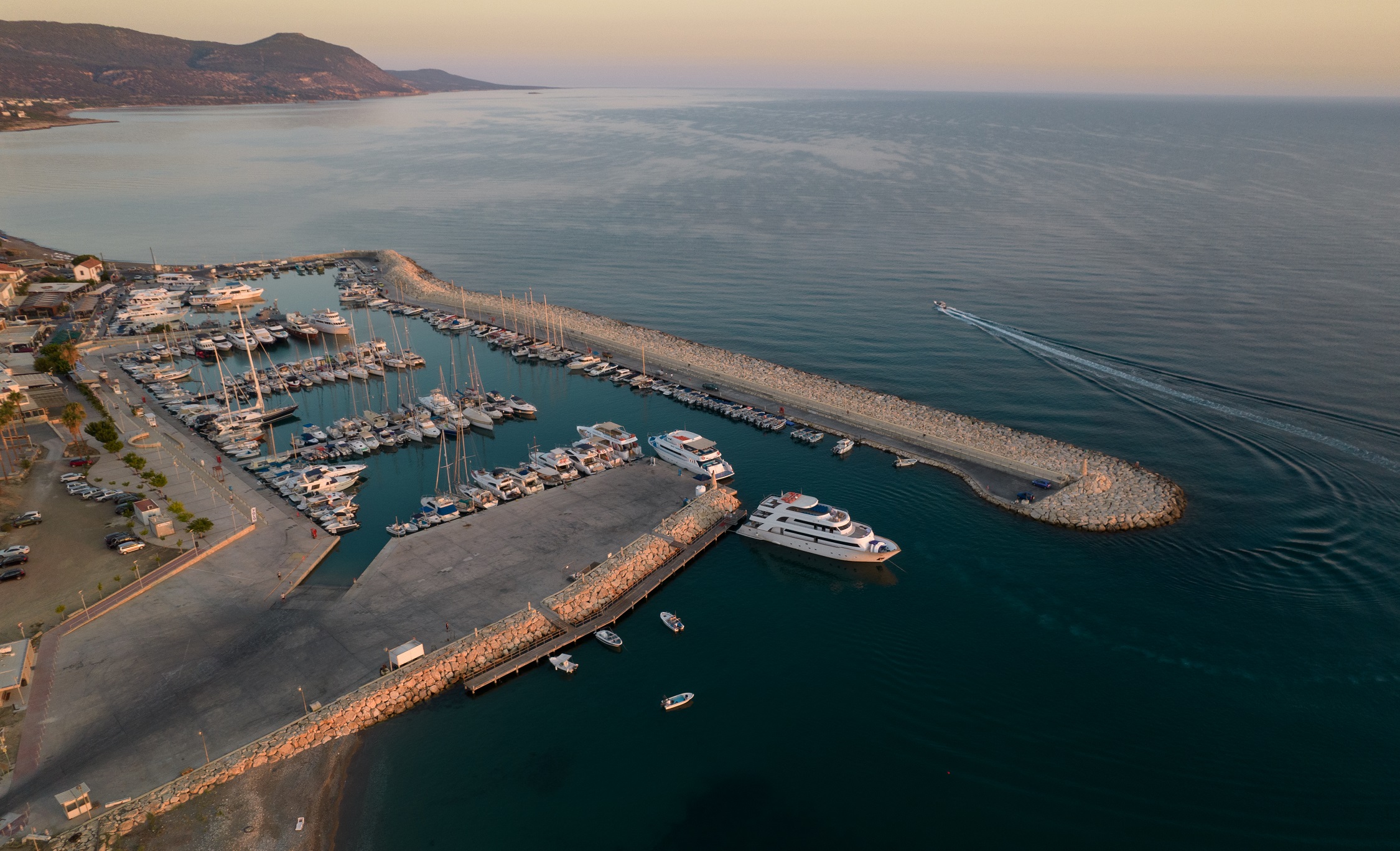
The area is close to several Natura 2000 protected sites, including the Akamas Peninsula Special Area of Conservation and Special Protection Area, the Polis-Yialia protected area and the Okeanis protected marine area.
The marine environment surrounding the proposed development includes extensive Posidonia oceanica seagrass meadows, a priority habitat under European Union conservation legislation, as well as reefs and shallow sandbank habitats.
A ‘cape’ in the bay
Xenia Loizidou, a coastal engineer and head of the AKTI Project and Research Centre, described the planned new breakwater as "a cape in the middle of Chrysochou Bay".
In comments published by the organisation, Loizidou said construction would require the extraction of about 280,000 cubic metres of rock from quarrying areas near the Androlikou Gorge in Akamas.
She also said that 250,000 tonnes of seabed dredged material would be deposited at sea and that 110,000 square metres of Posidonia seagrass would be destroyed.
"Why are the waters in Latchi crystal clear?" she asked.
"Because there are very healthy Posidonia meadows, which filter and purify the water."
Loizidou also said seven buildings covering a total area of 4,500 square metres were planned on reclaimed land.
"These days the environmental study is being discussed. On 4 August decisions will be taken. Again in August. These are not development infrastructure projects. These are infrastructure projects that destroy what we have and favour the few," she said.
Sea turtles
Environmental concerns extend beyond marine habitats to the bay's importance as a nesting area for sea turtles.
According to Fisheries and Marine Research Department data for 2010-2023, 5,731 loggerhead turtle nests and 116 green turtle nests were recorded along a coastal stretch extending roughly 3.5 kilometres west and 7.5 kilometres east of Latchi harbour.
Across the wider Polis-Yialia coastal area, recognised as a key turtle nesting habitat, 7,530 turtle nests were recorded between 2010 and 2021.
Data for Chrysochou Bay alone showed 8,254 loggerhead turtle nests and 189 green turtle nests between 2012 and 2021.
Environmental experts say the concentration of nesting activity highlights the ecological significance of the coastline and the need to avoid impacts such as breeding disturbance, light pollution, beach degradation and alterations to coastal dynamics.
Monk seals
The proposed development is also located less than two kilometres from important Mediterranean monk seal habitats.
Around 1.9 kilometres from Latchi fishing harbour lies the Halavro Marine Protected Area, which provides breeding, nursing, resting and feeding habitat for the endangered species.
The Fisheries and Marine Research Department operates a monitoring system at a nearby cave used by the female seal "Anassa", which gave birth to a pup named "Arkadia" in 2023.
The Mediterranean monk seal is classified as Vulnerable on the International Union for Conservation of Nature Red List and is considered Europe's most endangered marine mammal. Cyprus's population is estimated at around 20 to 22 individuals.
The entire project area falls within the "Akamas and Chrysochou Bay" Important Marine Mammal Area, recognised for its significance as monk seal breeding, nursing and feeding habitat.
‘Irreversible destruction of sensitive habitats’
The Ecologists' Movement-Citizens' Cooperation Alliance has also voiced opposition to the project, citing the environmental impact assessment.
The party said construction would lead to irreversible destruction of sensitive habitats, including Posidonia meadows and reefs that support protected species such as loggerhead turtles and Mediterranean monk seals.
It added that extensive dredging and land reclamation works would significantly affect the quality of marine waters and beaches.
"Concern is also caused by provisions for residential development that refer to a marina-type development and no longer to a fishing shelter. The aesthetic and ecological alteration of the landscape will irreversibly degrade the character of Latchi as an area of mild tourism development. At the same time, the study does not clarify the origin of the enormous quantities of quarry materials that will be used, which raises concerns about additional environmental impacts from quarrying and transport," it said.
The movement added that the proposal appeared to serve specific economic interests rather than the public interest.
"Instead of projects that destroy, the state should invest in mild forms of development, agritourism, protection of ecosystems and participatory planning with the local community at the centre. We call on the competent authorities to suspend the licensing process and proceed with a reassessment of the project, taking into account the real environmental, social and economic consequences," it said.